
BLOGS
BLOGS

Vitamin D in Winter: What Central PA Residents Need to Know
The leaves are turning on the Hershey hillsides, the air is getting crisp, and the days are noticeably shorter. That last part matters more than most people realize. Right now—in mid-October—your body's ability to make vitamin D from sunlight is quietly shutting down for the season.
Vitamin D deficiency is one of the most common nutritional shortfalls in the United States, and here in Central Pennsylvania, our latitude puts us right at the point where winter sun simply can't do the job. If you've been feeling more tired than usual, dealing with bone aches, or catching every cold that comes around, low vitamin D could be part of the picture.
What Is Vitamin D, and Why Does It Matter?
Vitamin D is a fat-soluble prohormone—meaning your body converts it into a hormone that regulates dozens of processes. Most people know it as the "sunshine vitamin": your skin manufactures it when ultraviolet B (UVB) rays from sunlight hit a compound called 7-dehydrocholesterol just beneath the skin's surface.
The classic role of vitamin D is calcium absorption. Without enough of it, your body can't pull calcium effectively from food, no matter how much dairy or leafy greens you eat. That makes it essential for strong bones and teeth throughout life.
But vitamin D does much more. Research published in the Journal of Clinical Endocrinology & Metabolism confirms that vitamin D receptors are expressed on immune cells—including B cells, T cells, and antigen-presenting cells—and that vitamin D actively modulates both innate and adaptive immune responses. Deficiency is associated with increased autoimmunity and greater susceptibility to infection. Beyond immunity and bones, vitamin D also plays documented roles in muscle strength, mood regulation, and neuromuscular coordination.
How Common Is Vitamin D Deficiency?
More common than most people expect. A widely cited study in Nutrition Research found that approximately 41.6% of U.S. adults have vitamin D deficiency, defined as a blood level at or below 20 ng/mL. The prevalence was significantly higher among Black adults (82.1%) and Hispanic adults (69.2%), reflecting the role skin pigmentation plays in sun-driven vitamin D synthesis.
Diet fills very little of the gap. NHANES data cited by the NIH Office of Dietary Supplements found that 92% of men and more than 97% of women consume less than the estimated average requirement of vitamin D from food and beverages alone. And as reviewed in Mayo Clinic Proceedings, 25% to 50% or more of patients seen in clinical practice are deficient.
Why Central PA Is Especially Vulnerable in Fall and Winter
It's not just about how much time you spend outside—it's about where you live and what time of year it is.
Your skin can only make vitamin D when UVB rays reach the ground at a steep enough angle. When the sun hangs low in the sky—as it does from October through March at our latitude—those UVB rays have to pass through a much thicker slice of atmosphere. Most get absorbed or scattered before they reach your skin. No meaningful UVB means no vitamin D synthesis, no matter how long you stand outside on a bright winter day.
Hershey, Pennsylvania sits at approximately 40.3 degrees north latitude. A 2024 study published in PMC found that the "vitamin D winter"—the period when solar radiation is insufficient for meaningful skin synthesis—starts to become significant at latitudes around 40 degrees north. The landmark 1988 study by Webb and colleagues demonstrated that winter sunlight in Boston (42°N) produced no vitamin D in human skin from November through February. We are almost exactly at that threshold.
This means from roughly now through March, your body is drawing down whatever vitamin D stores it built up over the summer. For many people—those who work indoors, use sunscreen consistently, or have darker skin—those summer stores may already be running low.
This is why fall is the time to think about vitamin D. Not February, when levels are at their lowest. Now.
A useful rule of thumb: if your shadow is longer than you are tall, the sun's angle is too low to trigger meaningful vitamin D synthesis. That tracks the science well and requires no equipment.
Signs Your Vitamin D May Be Low
Vitamin D deficiency is notoriously quiet. Many people have no symptoms at all—which is exactly what makes it easy to overlook. When symptoms do occur, they tend to be vague and easy to attribute to a busy schedule, stress, or getting older.
According to Cleveland Clinic, adults with vitamin D deficiency may experience:
- Fatigue or low energy, even with adequate sleep
- Bone pain, often in the lower back, hips, or legs
- Muscle weakness, aches, or cramps
- Mood changes, including symptoms that resemble depression
- Frequent illnesses or infections
These overlap with many other conditions—thyroid problems, anemia, poor sleep—which is why a blood test is the only reliable way to know where you stand. In children, severe deficiency can lead to rickets. In adults, prolonged deficiency can cause osteomalacia (softened bones) and contributes to osteoporosis over time.
What the Research Says
Bone health and fall prevention: The strongest evidence links vitamin D to bone health. As reviewed in Mayo Clinic Proceedings, mild-to-moderate deficiency is associated with osteoporosis and secondary hyperparathyroidism (when the parathyroid gland overproduces hormone trying to compensate for low calcium absorption). Vitamin D supplementation has been shown to improve muscle strength and reduce fall frequency by approximately 50% in older adults—making it a key piece of fall prevention.
Immune function: The immune-modulating role of vitamin D is well-documented at the cellular level. Vitamin D receptors on immune cells allow it to directly influence how those cells respond. Deficiency is consistently associated with greater susceptibility to upper respiratory infections. Whether supplementing in already-sufficient people reduces infection risk is less clear—but correcting a true deficiency appears to make a real difference.
Cardiovascular health: Low vitamin D levels have been linked to higher risks of heart disease and hypertension in observational studies. A 2024 review in PMC found that vitamin D deficiency could be a risk factor for cardiovascular diseases, with low blood levels associated with enhanced CVD risk. The full clinical picture—especially whether supplementation actively reduces that risk—requires more large randomized trials, so this remains an active area of research.
The honest summary: correcting a true deficiency is almost always worthwhile. The benefit of supplementing people who are already sufficient is more modest—which is exactly why knowing your level matters.
Who Should Consider Getting Tested
Not everyone needs routine vitamin D testing. But certain groups are at meaningfully higher risk and may benefit from a conversation with their doctor. At Three Angels, Dr. Danette J. Joseph, MD, often recommends testing for:
- Adults who work primarily indoors
- Older adults—skin produces less vitamin D3 with age, and kidney conversion declines too
- People with darker skin pigmentation—melanin acts as a natural sunscreen
- People with obesity—vitamin D is fat-soluble and can become sequestered in adipose tissue
- People with malabsorption conditions: Crohn's disease, celiac disease, or history of gastric bypass
- Anyone in Central PA not currently taking a vitamin D supplement who has limited sun exposure
The test is a simple blood draw measuring 25-hydroxyvitamin D (25(OH)D)—the storage form of vitamin D. Levels below 20 ng/mL indicate deficiency; many expert groups consider levels below 30 ng/mL to be insufficient. Your provider will interpret your result in the context of your full health picture.
What You Can Do Right Now
Eat vitamin D–rich foods. Per the NIH Office of Dietary Supplements, the best sources include fatty fish (salmon, trout, mackerel, tuna), fortified cow's milk (~120 IU per cup), fortified plant milks, fortified breakfast cereals, egg yolks, and UV-exposed mushrooms. These help, but diet alone rarely closes the gap for most Americans.
Consider a vitamin D supplement. The NIH Recommended Dietary Allowance (RDA) is 600 IU per day for adults aged 1–70, and 800 IU per day for adults over 70. If you are actually deficient, your provider may recommend a higher amount temporarily—but determining that dose is a clinical conversation, not a self-dosing decision. It's also worth noting that vitamin D supplements may interact with certain medications, including steroids, some diuretics, and cholesterol-lowering drugs, so always bring your full medication list to the discussion.
Take advantage of remaining fall sun. In October in Central PA, we still have a few weeks of meaningful UVB around midday. Even 10–15 minutes of unprotected skin exposure on arms and legs on clear days can contribute. Once November arrives, that window closes fast.
How Three Angels Family Practice Approaches Vitamin D
At Three Angels Family Practice & Wellness Center, Dr. Joseph takes an integrative approach—considering your diet, sun exposure habits, skin tone, age, other health conditions, and medications together. If a blood test shows deficiency, we develop a plan tailored to your actual level, not a one-size-fits-all protocol. We re-test to confirm your levels are improving. And we help you understand what your number means in the context of everything else going on with your health.
This is also a great topic to raise at your annual physical. If you're due for one and haven't had your vitamin D checked recently, ask about it. Patients from Hershey, Palmyra, Hummelstown, Harrisburg, Mechanicsburg, and Elizabethtown are all welcome at the practice.
Talk with Dr. Joseph
If you'd like to discuss vitamin D levels and fall wellness with Dr. Danette J. Joseph, MD, our board-certified family medicine physician at Three Angels Family Practice & Wellness Center in Hershey, we're welcoming new patients. We also serve families in Palmyra, Hummelstown, Harrisburg, Mechanicsburg, and surrounding communities across Central Pennsylvania.
Request an appointment online or call (717) 298-1268.
Medical disclaimer: This article is for general educational purposes and does not constitute medical advice, diagnosis, or treatment. Always consult a qualified healthcare provider with questions about a medical condition or before starting, stopping, or changing any treatment. Reading this article does not create a physician-patient relationship with Dr. Danette J. Joseph or Three Angels Family Practice & Wellness Center.
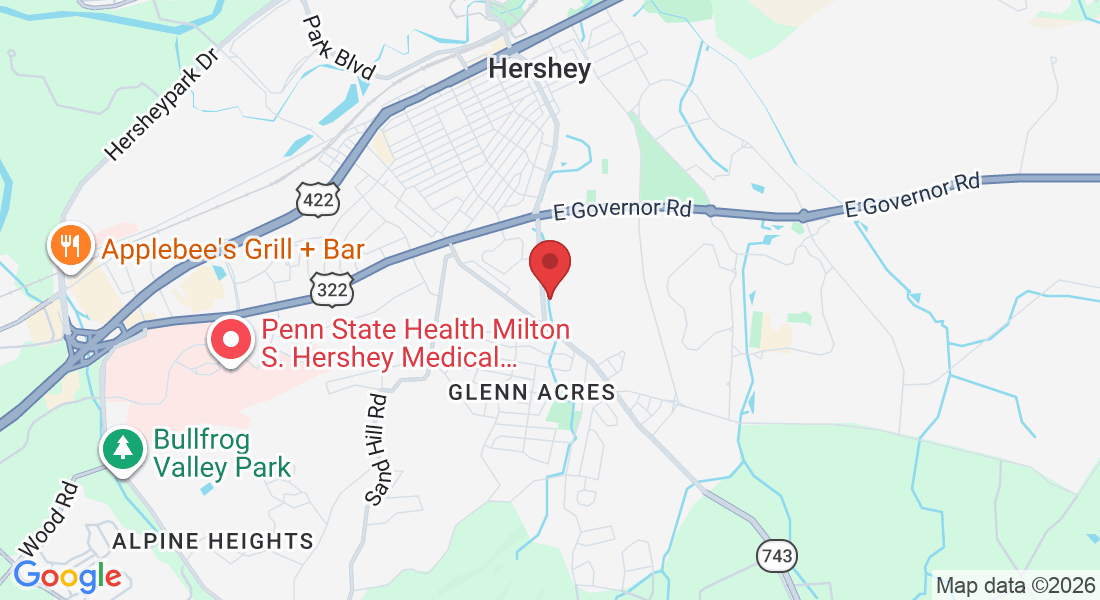
LOCATION
1249 Cocoa Avenue, Suite 190
Hershey, PA 17033
Phone: (717) 882-5888
OFFICE HOURS
By Appointment Only. Call for Availability
GET IN TOUCH
© Copyright 2023. Three Angels Family Practice & Wellness Center | Sitemap | Accessibility
Powered by Cima Growth Solutions
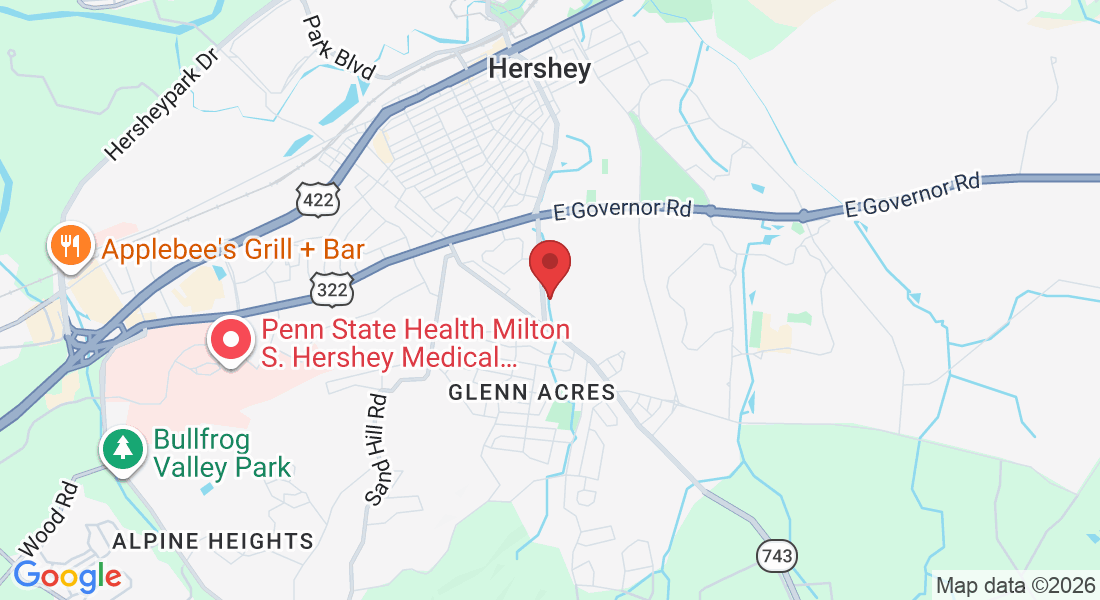
LOCATION
1249 Cocoa Avenue, Suite 190
Hershey, PA 17033
Phone: (717) 882-5888
OFFICE HOURS
By Appointment Only
Call (717) 882-5888
GET IN TOUCH
© Copyright 2023. Three Angels Family Practice & Wellness Center | Sitemap | Accessibility
Powered by Cima Growth Solutions