BLOGS
BLOGS

Summer Heat Safety: Heat Exhaustion vs. Heat Stroke in PA
It's the first week of July in Central Pennsylvania, and the heat is not subtle. If you've stepped outside in Hershey, Hummelstown, or anywhere across Dauphin County this week, you already know — it's not just hot, it's heavy. The humidity turns a 90-degree afternoon into something that feels closer to 100, and that combination is exactly what sends people to the emergency room every summer.
Heat-related illness is more common than most families realize, and it moves quickly. What starts as feeling "a little off" in the backyard can escalate to a medical emergency within minutes. Knowing the difference between heat exhaustion and heat stroke — and what to do about each — is one of the most practical things you can learn before spending time outdoors this summer.
Why Summer Heat Is a Real Health Threat in Central PA
Heat tends to get less attention than other weather emergencies. It doesn't make the dramatic images that hurricanes and tornadoes do. But according to the CDC's Morbidity and Mortality Weekly Report, heat is the leading cause of weather-related fatalities in the United States, claiming an average of 702 lives per year between 2004 and 2018. And that number has been climbing. A 2024 study published in JAMA found that heat-related deaths in the U.S. rose 117% between 1999 and 2023, reaching 2,325 deaths in 2023 alone.
Pennsylvania is not exempt. The Pennsylvania Department of Health has consistently reminded residents that heat index values in our region routinely reach the upper 90s to low 100s during summer heat events. Harrisburg — just minutes from our practice in Hershey — regularly experiences some of the most intense summer heat in the state. And according to climate researchers at Penn State, the number of days above 90°F across Pennsylvania could grow from roughly five per year historically to 30 to 35 days per year under projected warming scenarios.
The point isn't to alarm you — it's to prepare you. Heat-related illness is preventable, and the people who get through summer safely are usually the ones who know what to look for before things go wrong.
Heat Cramps: The First Warning Sign
Heat cramps are painful muscle spasms — typically in the legs, arms, or abdomen — that occur when you're sweating heavily and losing salt faster than you're replacing it. They're uncomfortable but manageable, and they're your body's earliest signal that conditions are stressing your system.
What to do: Stop activity, move to a cool place, and slowly drink water or a sports drink with electrolytes. Gently stretch or massage the cramped muscle. If cramps last more than an hour, or if you have a heart condition or are on a low-sodium diet, seek medical attention rather than waiting it out.
Heat Exhaustion: When the Body Is Losing the Battle
Heat exhaustion is the more serious stage. It happens when your body can't cool itself efficiently enough, often after extended time in the heat without enough fluids. According to the American Academy of Family Physicians (AAFP), heat exhaustion occurs when core body temperature rises above 100.4°F but remains below the 104°F threshold that defines heat stroke.
Heat exhaustion symptoms include:
- Heavy sweating
- Cool, pale, or clammy skin
- Fast, weak pulse
- Nausea or vomiting
- Muscle cramps
- Tiredness and weakness
- Dizziness or light-headedness
- Headache
Mental status is usually intact with heat exhaustion — you feel terrible, but you're oriented and aware. That's an important distinction, because confusion or altered thinking is the red flag that separates heat exhaustion from heat stroke.
Heat exhaustion has sometimes been called the "summer flu" because the fatigue, nausea, and malaise can look similar. If you or someone around you has been outside in high heat and is feeling this way, don't assume it's a stomach bug. Move them inside, get them cooling off, and take it seriously.
What to do: Move to an air-conditioned space or at least shade immediately. Loosen or remove excess clothing. Apply cool, wet cloths to the skin — especially the neck, wrists, and forehead. Drink cool water or a sports drink slowly. If symptoms don't improve within 30 to 60 minutes, or if they worsen, call 911 or head to an urgent care or emergency room.
Heat Stroke: A Medical Emergency
Heat stroke is what happens when the body's temperature regulation fails entirely. According to NIH's StatPearls, heat stroke is defined by a core body temperature at or above 104°F combined with central nervous system dysfunction — confusion, delirium, seizures, or loss of consciousness. The CDC notes that once heat stroke sets in, body temperature can rise to 106°F or higher within just 10 to 15 minutes.
There are two forms:
- Classic (non-exertional) heat stroke — develops over days of heat exposure, most often in older adults, people with chronic medical conditions, or those without access to air conditioning.
- Exertional heat stroke — can strike healthy, fit people who are exercising or working hard in the heat, sometimes with very little prior warning.
Warning signs of heat stroke include:
- High body temperature (103°F or above)
- Hot, red skin — may be dry or damp
- Rapid, strong pulse
- Confusion, slurred speech, or unusual behavior
- Loss of consciousness or seizure
- Stopping sweating despite the heat (a sign in classic heat stroke)
Heat stroke is a 911 emergency. Do not wait to see if it improves on its own. While waiting for emergency services, begin cooling immediately: move the person to shade or an air-conditioned space, apply ice or cold packs to the neck, armpits, and groin, and remove excess clothing. Rapid cooling before the ambulance arrives can be lifesaving.
Who Is Most at Risk?
Anyone can develop heat-related illness, but some people are significantly more vulnerable. The AAFP identifies several high-risk groups:
- Adults 65 and older — one half of all heat-related deaths occur in people over age 65, in part because aging changes how the body senses and responds to temperature change.
- Infants and young children — they produce less sweat, overheat faster, and rely entirely on caregivers to protect them from extreme heat. Never leave a child in a parked car, even for a moment.
- People with chronic conditions — heart disease, diabetes, hypertension, kidney disease, and respiratory conditions all affect how the body handles heat stress.
- Outdoor workers and athletes — construction workers, landscapers, roofers, postal workers, and athletes training during afternoon hours face significantly elevated risk.
- People on certain medications — this one surprises many patients. Common medications that increase heat risk include antihistamines, diuretics (water pills), antipsychotics, tricyclic antidepressants, beta-blockers, and some blood pressure medications. If you take any of these, ask Dr. Joseph or your care team what to watch for when temperatures rise.
If you or a family member falls into any of these groups, plan ahead. Know where your nearest cooling center is. Have a plan for days when the heat index climbs. Check on elderly neighbors who may not have access to air conditioning.
Practical Prevention: What You Can Do at Home
The CDC's heat prevention guidance is straightforward:
- Stay hydrated before you're thirsty. Thirst is a late signal. Drink water consistently throughout the day, especially if you'll be outdoors.
- Time your outdoor activities wisely. The highest-risk hours are typically between 10 a.m. and 4 p.m. Morning walks, evening gardening, and early runs are much safer choices.
- Dress for the heat. Loose, lightweight, light-colored clothing reflects heat rather than absorbing it. Avoid dark colors and tight fabrics.
- Don't rely solely on fans when the heat index is above 90°F. The National Weather Service notes that fans may actually increase heat load under extreme conditions. Air conditioning is the most effective protection.
- Acclimatize gradually. If you're heading into a heat wave after time spent indoors, give your body 7 to 14 days to adjust before pushing hard in outdoor activity.
- Check on others. Elderly neighbors, family members living alone, and anyone without reliable air conditioning are at highest risk. A phone call or a quick visit can make a meaningful difference.
- Never leave children or pets in vehicles. Interior car temperatures rise to dangerous levels within minutes, even with windows cracked.
When to See Your Doctor
If you've had a heat-related illness this summer — even if you felt better after cooling down — it's worth a follow-up conversation with your primary care provider. The AAFP recommends that anyone who has experienced exertional heat stroke should abstain from strenuous exercise for at least seven days and have follow-up care to screen for organ damage.
It's also worth a conversation with Dr. Danette J. Joseph, MD, if you:
- Take medications that may affect your heat tolerance
- Manage a chronic condition like hypertension, diabetes, or heart disease
- Work or exercise regularly outdoors in warm weather
- Are caring for an older parent or young child who spends time outdoors
An annual physical or a routine wellness visit is a natural time to review your specific risk factors and build a personal summer health plan. Dr. Joseph takes an integrative approach to care — that means looking at how your overall health, medications, and lifestyle interact, especially in high-stress conditions like summer heat waves.
How Three Angels Family Practice Approaches Summer Wellness
At Three Angels Family Practice & Wellness Center in Hershey, PA, Dr. Joseph and our team believe that staying healthy through summer isn't complicated — but it does require honest attention to your body's signals and a little knowledge about when those signals mean business. That's the spirit of integrative family medicine: conventional, evidence-based care combined with practical guidance that helps you make good decisions at home, at work, and in your community.
We serve patients throughout Hershey, Hummelstown, Harrisburg, Palmyra, Mechanicsburg, Middletown, and surrounding Central Pennsylvania communities. If you have questions about heat safety, medication interactions in summer heat, or managing a chronic condition through the region's hottest months, we're here for that conversation.
Talk with Dr. Danette J. Joseph
If you'd like to discuss heat safety and summer wellness with Dr. Joseph, our board-certified family medicine physician at Three Angels Family Practice & Wellness Center in Hershey, we're welcoming new patients. We also serve Hummelstown, Harrisburg, Palmyra, and Mechanicsburg.
Request an appointment online or call (717) 298-1268.
Medical disclaimer: This article is for general educational purposes and does not constitute medical advice, diagnosis, or treatment. Always consult a qualified healthcare provider with questions about a medical condition or before starting, stopping, or changing any treatment. Reading this article does not create a physician-patient relationship with Dr. Danette J. Joseph or Three Angels Family Practice & Wellness Center.

Summer Heat Safety: Heat Exhaustion vs. Heat Stroke in PA
It's the first week of July in Central Pennsylvania, and the heat is not subtle. If you've stepped outside in Hershey, Hummelstown, or anywhere across Dauphin County this week, you already know — it's not just hot, it's heavy. The humidity turns a 90-degree afternoon into something that feels closer to 100, and that combination is exactly what sends people to the emergency room every summer.
Heat-related illness is more common than most families realize, and it moves quickly. What starts as feeling "a little off" in the backyard can escalate to a medical emergency within minutes. Knowing the difference between heat exhaustion and heat stroke — and what to do about each — is one of the most practical things you can learn before spending time outdoors this summer.
Why Summer Heat Is a Real Health Threat in Central PA
Heat tends to get less attention than other weather emergencies. It doesn't make the dramatic images that hurricanes and tornadoes do. But according to the CDC's Morbidity and Mortality Weekly Report, heat is the leading cause of weather-related fatalities in the United States, claiming an average of 702 lives per year between 2004 and 2018. And that number has been climbing. A 2024 study published in JAMA found that heat-related deaths in the U.S. rose 117% between 1999 and 2023, reaching 2,325 deaths in 2023 alone.
Pennsylvania is not exempt. The Pennsylvania Department of Health has consistently reminded residents that heat index values in our region routinely reach the upper 90s to low 100s during summer heat events. Harrisburg — just minutes from our practice in Hershey — regularly experiences some of the most intense summer heat in the state. And according to climate researchers at Penn State, the number of days above 90°F across Pennsylvania could grow from roughly five per year historically to 30 to 35 days per year under projected warming scenarios.
The point isn't to alarm you — it's to prepare you. Heat-related illness is preventable, and the people who get through summer safely are usually the ones who know what to look for before things go wrong.
Heat Cramps: The First Warning Sign
Heat cramps are painful muscle spasms — typically in the legs, arms, or abdomen — that occur when you're sweating heavily and losing salt faster than you're replacing it. They're uncomfortable but manageable, and they're your body's earliest signal that conditions are stressing your system.
What to do: Stop activity, move to a cool place, and slowly drink water or a sports drink with electrolytes. Gently stretch or massage the cramped muscle. If cramps last more than an hour, or if you have a heart condition or are on a low-sodium diet, seek medical attention rather than waiting it out.
Heat Exhaustion: When the Body Is Losing the Battle
Heat exhaustion is the more serious stage. It happens when your body can't cool itself efficiently enough, often after extended time in the heat without enough fluids. According to the American Academy of Family Physicians (AAFP), heat exhaustion occurs when core body temperature rises above 100.4°F but remains below the 104°F threshold that defines heat stroke.
Heat exhaustion symptoms include:
- Heavy sweating
- Cool, pale, or clammy skin
- Fast, weak pulse
- Nausea or vomiting
- Muscle cramps
- Tiredness and weakness
- Dizziness or light-headedness
- Headache
Mental status is usually intact with heat exhaustion — you feel terrible, but you're oriented and aware. That's an important distinction, because confusion or altered thinking is the red flag that separates heat exhaustion from heat stroke.
Heat exhaustion has sometimes been called the "summer flu" because the fatigue, nausea, and malaise can look similar. If you or someone around you has been outside in high heat and is feeling this way, don't assume it's a stomach bug. Move them inside, get them cooling off, and take it seriously.
What to do: Move to an air-conditioned space or at least shade immediately. Loosen or remove excess clothing. Apply cool, wet cloths to the skin — especially the neck, wrists, and forehead. Drink cool water or a sports drink slowly. If symptoms don't improve within 30 to 60 minutes, or if they worsen, call 911 or head to an urgent care or emergency room.
Heat Stroke: A Medical Emergency
Heat stroke is what happens when the body's temperature regulation fails entirely. According to NIH's StatPearls, heat stroke is defined by a core body temperature at or above 104°F combined with central nervous system dysfunction — confusion, delirium, seizures, or loss of consciousness. The CDC notes that once heat stroke sets in, body temperature can rise to 106°F or higher within just 10 to 15 minutes.
There are two forms:
- Classic (non-exertional) heat stroke — develops over days of heat exposure, most often in older adults, people with chronic medical conditions, or those without access to air conditioning.
- Exertional heat stroke — can strike healthy, fit people who are exercising or working hard in the heat, sometimes with very little prior warning.
Warning signs of heat stroke include:
- High body temperature (103°F or above)
- Hot, red skin — may be dry or damp
- Rapid, strong pulse
- Confusion, slurred speech, or unusual behavior
- Loss of consciousness or seizure
- Stopping sweating despite the heat (a sign in classic heat stroke)
Heat stroke is a 911 emergency. Do not wait to see if it improves on its own. While waiting for emergency services, begin cooling immediately: move the person to shade or an air-conditioned space, apply ice or cold packs to the neck, armpits, and groin, and remove excess clothing. Rapid cooling before the ambulance arrives can be lifesaving.
Who Is Most at Risk?
Anyone can develop heat-related illness, but some people are significantly more vulnerable. The AAFP identifies several high-risk groups:
- Adults 65 and older — one half of all heat-related deaths occur in people over age 65, in part because aging changes how the body senses and responds to temperature change.
- Infants and young children — they produce less sweat, overheat faster, and rely entirely on caregivers to protect them from extreme heat. Never leave a child in a parked car, even for a moment.
- People with chronic conditions — heart disease, diabetes, hypertension, kidney disease, and respiratory conditions all affect how the body handles heat stress.
- Outdoor workers and athletes — construction workers, landscapers, roofers, postal workers, and athletes training during afternoon hours face significantly elevated risk.
- People on certain medications — this one surprises many patients. Common medications that increase heat risk include antihistamines, diuretics (water pills), antipsychotics, tricyclic antidepressants, beta-blockers, and some blood pressure medications. If you take any of these, ask Dr. Joseph or your care team what to watch for when temperatures rise.
If you or a family member falls into any of these groups, plan ahead. Know where your nearest cooling center is. Have a plan for days when the heat index climbs. Check on elderly neighbors who may not have access to air conditioning.
Practical Prevention: What You Can Do at Home
The CDC's heat prevention guidance is straightforward:
- Stay hydrated before you're thirsty. Thirst is a late signal. Drink water consistently throughout the day, especially if you'll be outdoors.
- Time your outdoor activities wisely. The highest-risk hours are typically between 10 a.m. and 4 p.m. Morning walks, evening gardening, and early runs are much safer choices.
- Dress for the heat. Loose, lightweight, light-colored clothing reflects heat rather than absorbing it. Avoid dark colors and tight fabrics.
- Don't rely solely on fans when the heat index is above 90°F. The National Weather Service notes that fans may actually increase heat load under extreme conditions. Air conditioning is the most effective protection.
- Acclimatize gradually. If you're heading into a heat wave after time spent indoors, give your body 7 to 14 days to adjust before pushing hard in outdoor activity.
- Check on others. Elderly neighbors, family members living alone, and anyone without reliable air conditioning are at highest risk. A phone call or a quick visit can make a meaningful difference.
- Never leave children or pets in vehicles. Interior car temperatures rise to dangerous levels within minutes, even with windows cracked.
When to See Your Doctor
If you've had a heat-related illness this summer — even if you felt better after cooling down — it's worth a follow-up conversation with your primary care provider. The AAFP recommends that anyone who has experienced exertional heat stroke should abstain from strenuous exercise for at least seven days and have follow-up care to screen for organ damage.
It's also worth a conversation with Dr. Danette J. Joseph, MD, if you:
- Take medications that may affect your heat tolerance
- Manage a chronic condition like hypertension, diabetes, or heart disease
- Work or exercise regularly outdoors in warm weather
- Are caring for an older parent or young child who spends time outdoors
An annual physical or a routine wellness visit is a natural time to review your specific risk factors and build a personal summer health plan. Dr. Joseph takes an integrative approach to care — that means looking at how your overall health, medications, and lifestyle interact, especially in high-stress conditions like summer heat waves.
How Three Angels Family Practice Approaches Summer Wellness
At Three Angels Family Practice & Wellness Center in Hershey, PA, Dr. Joseph and our team believe that staying healthy through summer isn't complicated — but it does require honest attention to your body's signals and a little knowledge about when those signals mean business. That's the spirit of integrative family medicine: conventional, evidence-based care combined with practical guidance that helps you make good decisions at home, at work, and in your community.
We serve patients throughout Hershey, Hummelstown, Harrisburg, Palmyra, Mechanicsburg, Middletown, and surrounding Central Pennsylvania communities. If you have questions about heat safety, medication interactions in summer heat, or managing a chronic condition through the region's hottest months, we're here for that conversation.
Talk with Dr. Danette J. Joseph
If you'd like to discuss heat safety and summer wellness with Dr. Joseph, our board-certified family medicine physician at Three Angels Family Practice & Wellness Center in Hershey, we're welcoming new patients. We also serve Hummelstown, Harrisburg, Palmyra, and Mechanicsburg.
Request an appointment online or call (717) 298-1268.
Medical disclaimer: This article is for general educational purposes and does not constitute medical advice, diagnosis, or treatment. Always consult a qualified healthcare provider with questions about a medical condition or before starting, stopping, or changing any treatment. Reading this article does not create a physician-patient relationship with Dr. Danette J. Joseph or Three Angels Family Practice & Wellness Center.
LOCATION
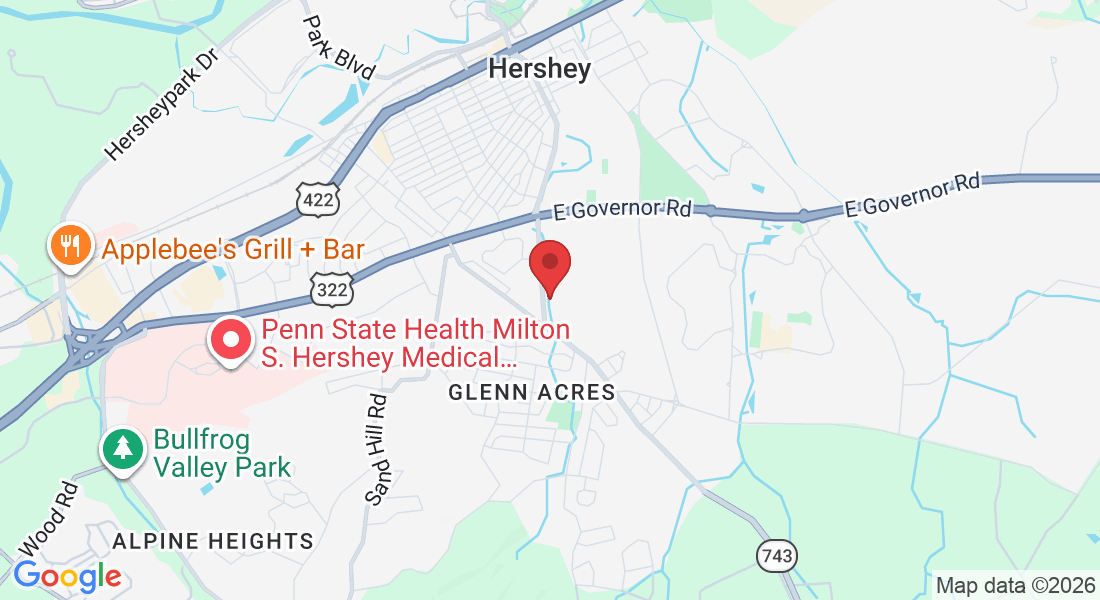
1249 Cocoa Avenue, Suite 190
Hershey, PA 17033
Phone: (717) 882-5888
OFFICE HOURS
By Appointment Only. Call for Availability
GET IN TOUCH
© Copyright 2023. Three Angels Family Practice & Wellness Center | Sitemap | Accessibility
Powered by Cima Growth Solutions
LOCATION
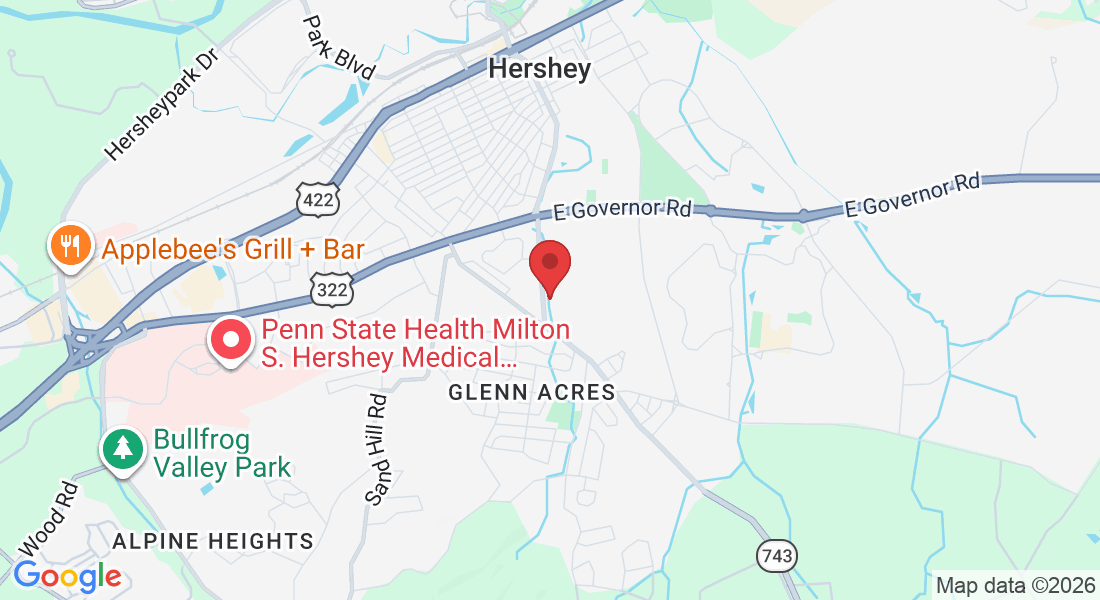
1249 Cocoa Avenue, Suite 190
Hershey, PA 17033
Phone: (717) 882-5888
OFFICE HOURS
By Appointment Only
Call (717) 882-5888
GET IN TOUCH
© Copyright 2023. Three Angels Family Practice & Wellness Center | Sitemap | Accessibility
Powered by Cima Growth Solutions