BLOGS
BLOGS

Perimenopause: Signs, Symptoms & What to Do About It
What Is Perimenopause?
Perimenopause is the transitional phase your body enters before menopause — the point when your periods stop permanently. During this time, your ovaries gradually produce less estrogen and progesterone. Your hormone levels don't decline in a straight line. They fluctuate, sometimes dramatically, which is why this phase can feel unpredictable.
Menopause itself is defined as 12 consecutive months without a menstrual period. Everything leading up to that point is perimenopause.
When does it start? Most women begin perimenopause in their mid-40s, though it can start as early as the mid-30s or as late as the early 50s. According to the American College of Obstetricians and Gynecologists (ACOG), estrogen produced by the ovaries can begin to fluctuate as early as your 30s and 40s. The average onset is around age 47.5, with the final menstrual period arriving at an average age of 51 to 52 in the United States.
Cleveland Clinic reports that the average length of perimenopause is about four years — but it can last anywhere from a few months to ten years or more. Everyone's timeline is different.
What the Research Says
Perimenopause is one of the most universal experiences in women's health — and one of the most under-discussed. That's starting to change.
On October 15, 2026 — just three days before World Menopause Day — the American College of Obstetricians and Gynecologists released Clinical Practice Guideline No. 13, its most comprehensive menopause management guidance ever published. The guideline replaces recommendations that had been in place since 2014 and covers hormone therapy, nonhormonal medications, and evidence-based lifestyle approaches in far greater detail than before.
What the numbers tell us is striking. ACOG's new guidance documents that:
- 50 to 92% of women in menopause experience vasomotor symptoms (VMS) — the medical term for hot flashes and night sweats.
- 16 to 66% of U.S. women report menopause-related sleep disruption.
- More than one-third of perimenopausal and postmenopausal women worldwide report depressive symptoms.
Despite how common these symptoms are, nearly 9 in 10 women don't seek medical care for them — often because they don't know that effective treatments exist, or they've been told to simply "wait it out." As ACOG President Camille A. Clare, MD put it at the guideline's release: women spend roughly one-third of their lives in the postmenopausal stage, "and untreated symptoms can affect physical health, emotional well-being, workplace productivity and long-term health outcomes."
The takeaway: perimenopause is normal and expected, but suffering through it without support is not the only option.
Signs and Symptoms of Perimenopause
Perimenopause can announce itself loudly or quietly. Some women notice dramatic changes in their 40s; others sail through with minimal disruption. Here's what to watch for.
Menstrual changes are often the first sign. Your cycles may become shorter, longer, heavier, lighter, or simply irregular. Spotting between periods can happen. These changes reflect fluctuating hormone levels — but they always deserve a conversation with your doctor to rule out other causes.
Other common symptoms include:
- Hot flashes and night sweats — sudden waves of heat, sometimes accompanied by flushing, sweating, and a racing heart. A hot flash can last from seconds to several minutes.
- Sleep disturbances — difficulty falling or staying asleep, often compounded by night sweats. Poor sleep affects mood, energy, and cognitive function.
- Mood changes — irritability, feeling more emotionally reactive, or an increased vulnerability to stress. These are real physiological effects, not just "being emotional."
- Fatigue and brain fog — persistent tiredness that isn't fixed by rest, plus difficulty concentrating or remembering things. Fluctuating estrogen affects neurotransmitters including serotonin, which regulates mood and cognition.
- Vaginal dryness — decreased estrogen thins vaginal tissue, which can cause dryness, itching, or discomfort during intercourse.
- Lower libido — hormonal shifts affect sexual desire, and vaginal discomfort can add to the picture.
- Joint and muscle aches — often dismissed as "just aging," but estrogen plays a role in joint health. Research suggests that more than 70% of women experience some musculoskeletal symptoms during the menopausal transition.
- Weight and body composition changes — shifts in estrogen affect metabolism and fat distribution, particularly around the abdomen.
It's worth noting: because perimenopause symptoms overlap with thyroid disorders, mood conditions, and other health issues, a conversation with your doctor — and sometimes a blood panel — helps clarify what's driving what.
What You Can Do at Home
Lifestyle choices can meaningfully reduce the burden of perimenopausal symptoms. Here's what the evidence supports.
Move your body regularly. Exercise is one of the most well-studied, broadly beneficial things you can do during perimenopause. It supports mood, sleep, bone density, cardiovascular health, and weight management — all areas affected by declining estrogen. ACOG's new guidelines specifically list exercise as a recommended nonpharmacologic approach for managing vasomotor symptoms.
Protect your sleep hygiene. Keep your bedroom cool. Stick to consistent sleep and wake times. Limit screen exposure before bed. If night sweats are disrupting your sleep, moisture-wicking bedding and a fan can help. Addressing sleep proactively matters — poor sleep compounds mood changes and cognitive symptoms.
Minimize hot flash triggers. Common triggers include alcohol, caffeine, spicy foods, and hot environments. Layering clothing and keeping cool drinks on hand can help you manage episodes when they do occur.
Support bone health. Estrogen protects bone density, and as levels fall during perimenopause, bone loss accelerates. Adequate calcium and vitamin D — from food sources first, supplements as needed — and regular weight-bearing exercise matter more than ever during this window.
Don't smoke. Beyond its many other health risks, smoking is the single most consistent lifestyle factor associated with earlier menopause — typically one to two years earlier than in non-smokers, according to the NIH-funded SWAN study.
A note on herbal supplements: Many products are marketed to perimenopausal women — soy isoflavones, black cohosh, red clover, and others. It's important to know that ACOG's 2026 guidance explicitly states that the evidence does not support the safety or efficacy of phytoestrogens or herbal supplements for treating vasomotor symptoms. These products are not FDA-regulated for purity or potency, and some can interact with medications. Before starting any supplement, talk with your doctor.
When to See Your Doctor
You don't need to wait until symptoms are severe to ask for help. Here's when a conversation with your physician is especially important.
- Your symptoms — hot flashes, sleep disruption, mood changes — are affecting your quality of life, work, or relationships.
- You notice irregular, heavy, or prolonged bleeding. Irregular periods are expected in perimenopause, but heavy bleeding or bleeding after sex always warrants evaluation to rule out other causes.
- You're experiencing mood symptoms — persistent low mood, anxiety, or irritability — that are interfering with daily life. Depression during perimenopause is not "just hormones" and has effective treatments.
- You're in your 40s and wondering whether what you're experiencing is perimenopause at all. There's no single blood test that confirms it, but your doctor can review your full picture and help you understand what's happening.
Multiple evidence-based treatment options exist — from menopausal hormone therapy (MHT) to FDA-approved nonhormonal medications to structured behavioral therapies. According to Mayo Clinic, systemic estrogen remains the most effective treatment for hot flashes and night sweats. For women who prefer not to use or have contraindications to hormone therapy, the FDA has approved nonhormonal options including certain SSRIs, SNRIs, and fezolinetant (Veozah) — a newer medication that works through a different pathway to reduce hot flash frequency.
ACOG's updated guidance emphasizes that there is no one-size-fits-all approach. Decisions about treatment should be individualized, reflecting your symptoms, medical history, and personal goals — with you as an informed participant in the conversation.
How Three Angels Family Practice Approaches Perimenopause Care
At Three Angels Family Practice & Wellness Center in Hershey, Pennsylvania, perimenopause care is part of Dr. Danette J. Joseph's broader approach to women's health and hormonal wellness. Dr. Joseph is a board-certified family medicine physician who believes in treating the whole person — combining evidence-based clinical medicine with lifestyle medicine and integrative strategies that actually fit your life.
When a patient comes in with concerns about perimenopause, Dr. Joseph doesn't hand out a pamphlet and send her home. She takes the time to understand the full picture: what symptoms are most disruptive, what your medical history looks like, what matters to you, and what your goals are. Treatment decisions at Three Angels are always collaborative.
Whether you're just noticing the first changes in your cycle or you've been managing hot flashes and sleep disruption for years without much support, you deserve a thoughtful conversation — and real options. Three Angels welcomes patients from Hershey and surrounding communities including Hummelstown, Palmyra, Harrisburg, and Mechanicsburg.
Talk with Dr. Joseph
If you'd like to discuss perimenopause symptoms and your options with Dr. Danette J. Joseph, our board-certified family medicine physician at Three Angels Family Practice & Wellness Center in Hershey, PA, we're welcoming new patients. We also serve patients from Hummelstown, Palmyra, Harrisburg, Mechanicsburg, and the broader Central PA region.
Request an appointment online or call (717) 298-1268.
Medical disclaimer: This article is for general educational purposes and does not constitute medical advice, diagnosis, or treatment. Always consult a qualified healthcare provider with questions about a medical condition or before starting, stopping, or changing any treatment. Reading this article does not create a physician-patient relationship with Dr. Danette J. Joseph or Three Angels Family Practice & Wellness Center.
LOCATION
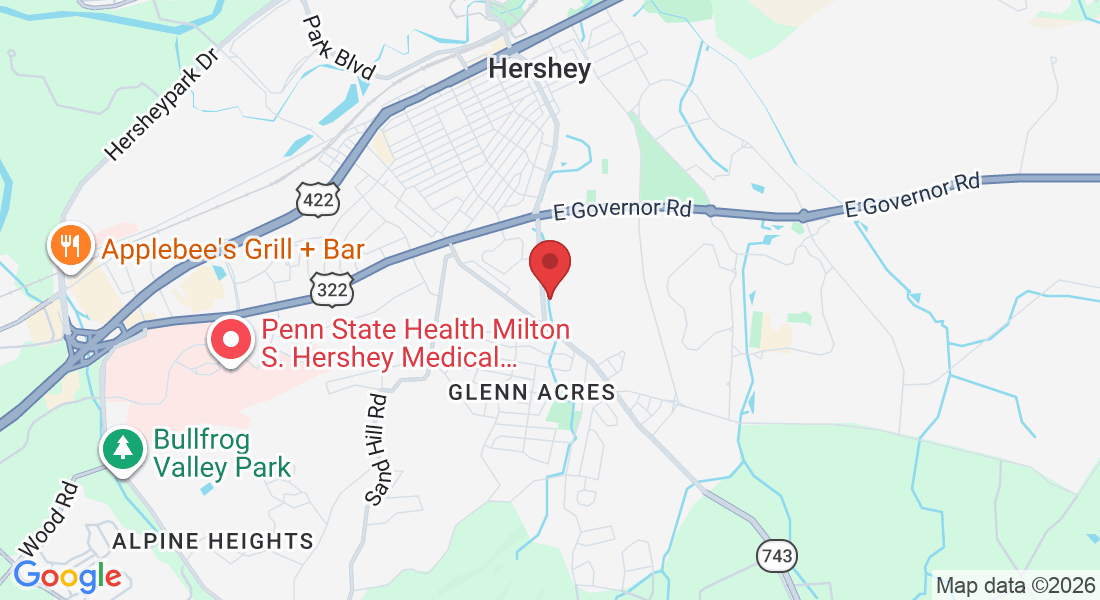
1249 Cocoa Avenue, Suite 190
Hershey, PA 17033
Phone: (717) 882-5888
OFFICE HOURS
By Appointment Only. Call for Availability
GET IN TOUCH
© Copyright 2023. Three Angels Family Practice & Wellness Center | Sitemap | Accessibility
Powered by Cima Growth Solutions
LOCATION
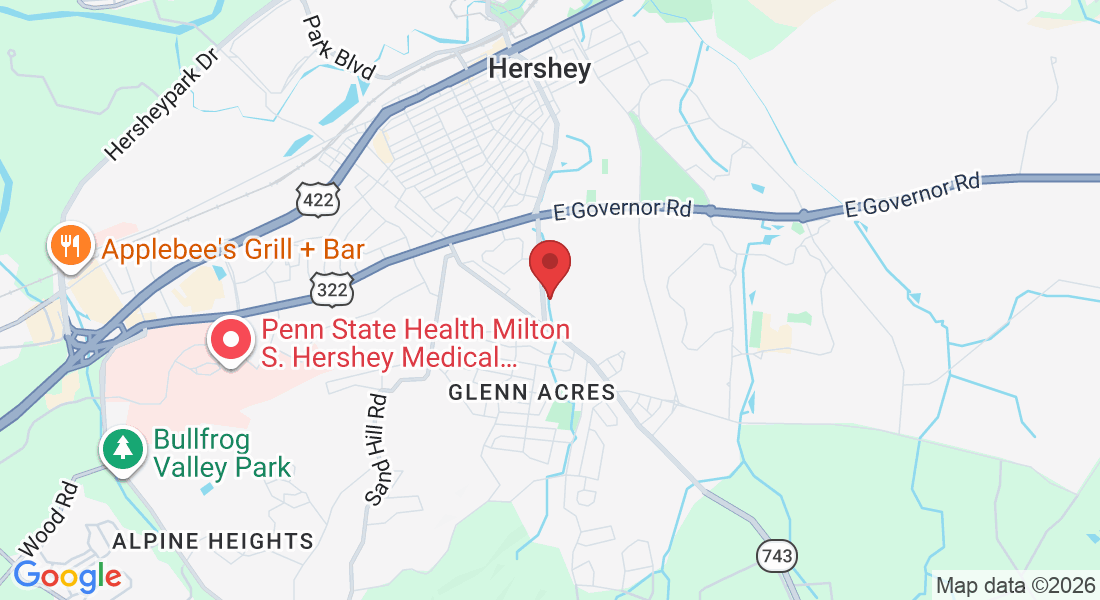
1249 Cocoa Avenue, Suite 190
Hershey, PA 17033
Phone: (717) 882-5888
OFFICE HOURS
By Appointment Only
Call (717) 882-5888
GET IN TOUCH
© Copyright 2023. Three Angels Family Practice & Wellness Center | Sitemap | Accessibility
Powered by Cima Growth Solutions