
BLOGS
BLOGS

Lyme Disease in Central PA: Symptoms, Prevention & Care
May is Lyme Disease Awareness Month — and if you live in Hershey, Hummelstown, Palmyra, or anywhere in Central Pennsylvania, this awareness month is for you more than almost anyone else in the country. Pennsylvania consistently leads the nation in Lyme disease cases, which means that from the moment the weather turns warm, tick awareness is not optional. It is a basic health habit, like sunscreen or a seatbelt.
The good news: when Lyme disease is caught early, it responds well to treatment and most people recover fully. The challenge is recognizing it quickly — because ticks are tiny, bites often go unnoticed, and symptoms in the first days can look a lot like the flu. This guide walks you through what Lyme disease is, what to watch for, how to protect your family, and when it is time to pick up the phone and call your doctor.
What Is Lyme Disease?
Lyme disease is a bacterial infection caused by Borrelia burgdorferi. It spreads to people through the bite of an infected blacklegged tick — often called a deer tick — specifically Ixodes scapularis, the species found throughout Pennsylvania.
According to the CDC, an estimated 476,000 Americans are diagnosed and treated for Lyme disease each year, making it the most common vector-borne (insect-transmitted) disease in the United States. Pennsylvania sits at the center of this epidemic. The state accounts for roughly 29 percent of all reported US Lyme cases — more than any other state.
In 2023, Pennsylvania recorded over 11,000 confirmed Lyme cases — close to the state's all-time high. And public health officials note that true case counts are likely far higher, since many infections go undiagnosed or unreported.
Why Central Pennsylvania Is a High-Risk Area
All 67 Pennsylvania counties report Lyme disease every year. The blacklegged tick that carries it is not limited to deep forest — these ticks live in suburban backyards, neighborhood parks, and the brushy edges of lawns.
Peak tick season in Central PA runs from late May through July, coinciding exactly with the time most families in Hershey and the surrounding communities are spending the most time outdoors. The Pennsylvania Tick Research Lab at East Stroudsburg University notes that tick activity has tracked higher than previous years, underscoring the importance of prevention now, at the very start of the season.
There is one biology fact worth understanding: nymphal ticks — the juvenile stage active from late May through late July — are the size of a poppy seed. They are extraordinarily difficult to spot. Pennsylvania Department of Environmental Protection surveillance data shows that nymphal ticks in the state have about a one-in-four chance of carrying the Lyme-causing bacteria. Adult ticks, active in fall and early spring, carry an even higher infection rate — approximately one in two.
Another important detail from PA tick researchers: 54 percent of tick exposures are reported from people's own backyards while playing or doing yard work. You do not need to hike in the woods to be at risk.
Symptoms to Watch For
Lyme disease progresses in stages. The earlier it is identified, the easier it is to treat.
Early Lyme disease (days 3–30 after a bite)
- Erythema migrans (EM) rash: This is the hallmark of early Lyme disease. The rash appears at the bite site, typically 3 to 30 days later, and expands gradually — sometimes reaching 12 inches or more across. It often has a bull's-eye appearance, though not always. The CDC reports that approximately 70 to 80 percent of infected people develop this rash.
- Fever, chills, and headache
- Fatigue that feels disproportionate — beyond normal tiredness
- Muscle and joint aches
- Swollen lymph nodes
Important: the absence of a rash does not rule out Lyme disease. Some people never develop one, or the rash appears in a place that is easy to miss — the scalp, back, or behind the knee.
Later-stage Lyme disease (if untreated)
- Facial palsy (drooping of one or both sides of the face)
- Heart palpitations or irregular heartbeat (Lyme carditis)
- Severe joint pain and swelling, particularly in the knees
- Meningitis — inflammation around the brain and spinal cord
- Numbness, tingling, or shooting pain in the limbs
Some people who are treated for Lyme disease continue to experience fatigue, body aches, or difficulty thinking for months after completing antibiotics. CDC research shows these prolonged symptoms occur in about 5 to 10 percent of people treated for Lyme disease. The cause is not fully understood, but the takeaway is clear: early treatment reduces the risk of these lingering effects.
How to Protect Your Family This Tick Season
The CDC is straightforward: reducing tick exposure is the best defense against Lyme disease. Here are the most evidence-supported steps your family can take right now.
Use EPA-registered repellents on skin
CDC-recommended repellents include products containing DEET, picaridin, or oil of lemon eucalyptus (OLE). These are safe for adults and children when used as directed; OLE is not recommended for children under three years old.
Treat your clothing and gear with permethrin
Permethrin is an insecticide applied to clothing, shoes, and gear — not skin. Treat your boots, pants, and socks before heading outdoors. Research from the University of Rhode Island and the CDC found that people wearing permethrin-treated footwear were 73 times less likely to be bitten by a tick compared to those wearing untreated shoes. Permethrin treatments remain effective through several washings.
Dress defensively
- Wear light-colored clothing so ticks are easier to see
- Tuck your pants into your socks when walking through grass or brush
- Wear long sleeves when in wooded or high-grass areas
Do a full-body tick check every time
After any time outdoors — including your own backyard — check the whole family. Ticks prefer warm, hidden areas: the groin, armpits, behind the ears, belly button, scalp, and the backs of knees. Showering within two hours of coming indoors helps wash off unattached ticks and provides a natural opportunity to check. Tumble dry clothes on high heat for at least 10 minutes to kill any ticks on fabric.
Manage your yard
- Keep grass mowed short and clear leaf litter from garden beds
- Create a 3-foot barrier of wood chips or gravel between your lawn and any wooded edges — ticks rarely cross a dry, sunny barrier
- Stack firewood neatly in a dry, sunny spot away from the house
If you find a tick attached
Remove it promptly using fine-tipped tweezers. Grasp the tick as close to the skin's surface as possible and pull upward with slow, steady pressure. Do not twist or jerk. The Pennsylvania Department of Health emphasizes: the tick must generally be attached for 36 to 48 hours to transmit Lyme disease, so prompt removal significantly reduces your risk. Clean the bite area with rubbing alcohol or soap and water, note the date, and watch for symptoms over the following weeks.
When to See Your Doctor
Seek medical attention promptly if:
- You find a tick that appears to have been attached for more than 24 hours
- You develop a rash at or near a tick bite — even if it does not look exactly like a bull's-eye
- You experience fever, fatigue, or body aches within 30 days of a tick bite or of outdoor activity in Central PA
- You notice facial drooping, heart palpitations, or significant joint swelling after a potential tick exposure
Per CDC guidelines, most cases of Lyme disease can be successfully treated with a course of oral antibiotics. People treated in the early stages of infection typically recover rapidly and completely. Waiting for symptoms to worsen before seeking care is the primary factor that leads to more complicated illness — so when in doubt, call your doctor.
You do not need to bring the tick in a plastic bag for an appointment — though you are welcome to. What matters most is describing when and where you found it, how long you believe it was attached, and any symptoms that have developed since.
How Dr. Joseph Approaches Tick Season at Three Angels
At Three Angels Family Practice & Wellness Center in Hershey, tick bites and Lyme disease concerns are a routine part of primary care from May through October. Dr. Danette J. Joseph, MD, board-certified in family medicine with more than a decade of experience serving Central Pennsylvania, takes an integrative approach to these visits. She evaluates the tick exposure and clinical picture together, orders appropriate testing when indicated, and discusses both conventional antibiotic treatment and the supportive lifestyle measures — rest, anti-inflammatory nutrition, and immune support — that help the body recover well.
She also spends time on prevention, particularly for families with young children and anyone spending significant time in the parks, trails, and wooded backyards common throughout Hershey, Hummelstown, Campbelltown, Middletown, and the communities surrounding the practice.
If you are unsure whether a bite warrants a call, the answer is almost always: yes, call. A brief conversation or same-day visit is far easier than managing late-stage Lyme disease.
Talk with Dr. Joseph
If you have had a tick bite, are experiencing symptoms after outdoor activity, or want to talk through Lyme disease prevention for your family, Three Angels Family Practice & Wellness Center in Hershey, PA is here to help. We welcome new patients and serve families throughout Hummelstown, Palmyra, Campbelltown, Middletown, Harrisburg, and across Central Pennsylvania.
Request an appointment online or call (717) 298-1268.
Medical disclaimer: This article is for general educational purposes and does not constitute medical advice, diagnosis, or treatment. Always consult a qualified healthcare provider with questions about a medical condition or before starting, stopping, or changing any treatment. Reading this article does not create a physician-patient relationship with Dr. Danette J. Joseph, MD or Three Angels Family Practice & Wellness Center.

Lyme Disease in Central PA: Symptoms, Prevention & Care
May is Lyme Disease Awareness Month — and if you live in Hershey, Hummelstown, Palmyra, or anywhere in Central Pennsylvania, this awareness month is for you more than almost anyone else in the country. Pennsylvania consistently leads the nation in Lyme disease cases, which means that from the moment the weather turns warm, tick awareness is not optional. It is a basic health habit, like sunscreen or a seatbelt.
The good news: when Lyme disease is caught early, it responds well to treatment and most people recover fully. The challenge is recognizing it quickly — because ticks are tiny, bites often go unnoticed, and symptoms in the first days can look a lot like the flu. This guide walks you through what Lyme disease is, what to watch for, how to protect your family, and when it is time to pick up the phone and call your doctor.
What Is Lyme Disease?
Lyme disease is a bacterial infection caused by Borrelia burgdorferi. It spreads to people through the bite of an infected blacklegged tick — often called a deer tick — specifically Ixodes scapularis, the species found throughout Pennsylvania.
According to the CDC, an estimated 476,000 Americans are diagnosed and treated for Lyme disease each year, making it the most common vector-borne (insect-transmitted) disease in the United States. Pennsylvania sits at the center of this epidemic. The state accounts for roughly 29 percent of all reported US Lyme cases — more than any other state.
In 2023, Pennsylvania recorded over 11,000 confirmed Lyme cases — close to the state's all-time high. And public health officials note that true case counts are likely far higher, since many infections go undiagnosed or unreported.
Why Central Pennsylvania Is a High-Risk Area
All 67 Pennsylvania counties report Lyme disease every year. The blacklegged tick that carries it is not limited to deep forest — these ticks live in suburban backyards, neighborhood parks, and the brushy edges of lawns.
Peak tick season in Central PA runs from late May through July, coinciding exactly with the time most families in Hershey and the surrounding communities are spending the most time outdoors. The Pennsylvania Tick Research Lab at East Stroudsburg University notes that tick activity has tracked higher than previous years, underscoring the importance of prevention now, at the very start of the season.
There is one biology fact worth understanding: nymphal ticks — the juvenile stage active from late May through late July — are the size of a poppy seed. They are extraordinarily difficult to spot. Pennsylvania Department of Environmental Protection surveillance data shows that nymphal ticks in the state have about a one-in-four chance of carrying the Lyme-causing bacteria. Adult ticks, active in fall and early spring, carry an even higher infection rate — approximately one in two.
Another important detail from PA tick researchers: 54 percent of tick exposures are reported from people's own backyards while playing or doing yard work. You do not need to hike in the woods to be at risk.
Symptoms to Watch For
Lyme disease progresses in stages. The earlier it is identified, the easier it is to treat.
Early Lyme disease (days 3–30 after a bite)
- Erythema migrans (EM) rash: This is the hallmark of early Lyme disease. The rash appears at the bite site, typically 3 to 30 days later, and expands gradually — sometimes reaching 12 inches or more across. It often has a bull's-eye appearance, though not always. The CDC reports that approximately 70 to 80 percent of infected people develop this rash.
- Fever, chills, and headache
- Fatigue that feels disproportionate — beyond normal tiredness
- Muscle and joint aches
- Swollen lymph nodes
Important: the absence of a rash does not rule out Lyme disease. Some people never develop one, or the rash appears in a place that is easy to miss — the scalp, back, or behind the knee.
Later-stage Lyme disease (if untreated)
- Facial palsy (drooping of one or both sides of the face)
- Heart palpitations or irregular heartbeat (Lyme carditis)
- Severe joint pain and swelling, particularly in the knees
- Meningitis — inflammation around the brain and spinal cord
- Numbness, tingling, or shooting pain in the limbs
Some people who are treated for Lyme disease continue to experience fatigue, body aches, or difficulty thinking for months after completing antibiotics. CDC research shows these prolonged symptoms occur in about 5 to 10 percent of people treated for Lyme disease. The cause is not fully understood, but the takeaway is clear: early treatment reduces the risk of these lingering effects.
How to Protect Your Family This Tick Season
The CDC is straightforward: reducing tick exposure is the best defense against Lyme disease. Here are the most evidence-supported steps your family can take right now.
Use EPA-registered repellents on skin
CDC-recommended repellents include products containing DEET, picaridin, or oil of lemon eucalyptus (OLE). These are safe for adults and children when used as directed; OLE is not recommended for children under three years old.
Treat your clothing and gear with permethrin
Permethrin is an insecticide applied to clothing, shoes, and gear — not skin. Treat your boots, pants, and socks before heading outdoors. Research from the University of Rhode Island and the CDC found that people wearing permethrin-treated footwear were 73 times less likely to be bitten by a tick compared to those wearing untreated shoes. Permethrin treatments remain effective through several washings.
Dress defensively
- Wear light-colored clothing so ticks are easier to see
- Tuck your pants into your socks when walking through grass or brush
- Wear long sleeves when in wooded or high-grass areas
Do a full-body tick check every time
After any time outdoors — including your own backyard — check the whole family. Ticks prefer warm, hidden areas: the groin, armpits, behind the ears, belly button, scalp, and the backs of knees. Showering within two hours of coming indoors helps wash off unattached ticks and provides a natural opportunity to check. Tumble dry clothes on high heat for at least 10 minutes to kill any ticks on fabric.
Manage your yard
- Keep grass mowed short and clear leaf litter from garden beds
- Create a 3-foot barrier of wood chips or gravel between your lawn and any wooded edges — ticks rarely cross a dry, sunny barrier
- Stack firewood neatly in a dry, sunny spot away from the house
If you find a tick attached
Remove it promptly using fine-tipped tweezers. Grasp the tick as close to the skin's surface as possible and pull upward with slow, steady pressure. Do not twist or jerk. The Pennsylvania Department of Health emphasizes: the tick must generally be attached for 36 to 48 hours to transmit Lyme disease, so prompt removal significantly reduces your risk. Clean the bite area with rubbing alcohol or soap and water, note the date, and watch for symptoms over the following weeks.
When to See Your Doctor
Seek medical attention promptly if:
- You find a tick that appears to have been attached for more than 24 hours
- You develop a rash at or near a tick bite — even if it does not look exactly like a bull's-eye
- You experience fever, fatigue, or body aches within 30 days of a tick bite or of outdoor activity in Central PA
- You notice facial drooping, heart palpitations, or significant joint swelling after a potential tick exposure
Per CDC guidelines, most cases of Lyme disease can be successfully treated with a course of oral antibiotics. People treated in the early stages of infection typically recover rapidly and completely. Waiting for symptoms to worsen before seeking care is the primary factor that leads to more complicated illness — so when in doubt, call your doctor.
You do not need to bring the tick in a plastic bag for an appointment — though you are welcome to. What matters most is describing when and where you found it, how long you believe it was attached, and any symptoms that have developed since.
How Dr. Joseph Approaches Tick Season at Three Angels
At Three Angels Family Practice & Wellness Center in Hershey, tick bites and Lyme disease concerns are a routine part of primary care from May through October. Dr. Danette J. Joseph, MD, board-certified in family medicine with more than a decade of experience serving Central Pennsylvania, takes an integrative approach to these visits. She evaluates the tick exposure and clinical picture together, orders appropriate testing when indicated, and discusses both conventional antibiotic treatment and the supportive lifestyle measures — rest, anti-inflammatory nutrition, and immune support — that help the body recover well.
She also spends time on prevention, particularly for families with young children and anyone spending significant time in the parks, trails, and wooded backyards common throughout Hershey, Hummelstown, Campbelltown, Middletown, and the communities surrounding the practice.
If you are unsure whether a bite warrants a call, the answer is almost always: yes, call. A brief conversation or same-day visit is far easier than managing late-stage Lyme disease.
Talk with Dr. Joseph
If you have had a tick bite, are experiencing symptoms after outdoor activity, or want to talk through Lyme disease prevention for your family, Three Angels Family Practice & Wellness Center in Hershey, PA is here to help. We welcome new patients and serve families throughout Hummelstown, Palmyra, Campbelltown, Middletown, Harrisburg, and across Central Pennsylvania.
Request an appointment online or call (717) 298-1268.
Medical disclaimer: This article is for general educational purposes and does not constitute medical advice, diagnosis, or treatment. Always consult a qualified healthcare provider with questions about a medical condition or before starting, stopping, or changing any treatment. Reading this article does not create a physician-patient relationship with Dr. Danette J. Joseph, MD or Three Angels Family Practice & Wellness Center.
LOCATION
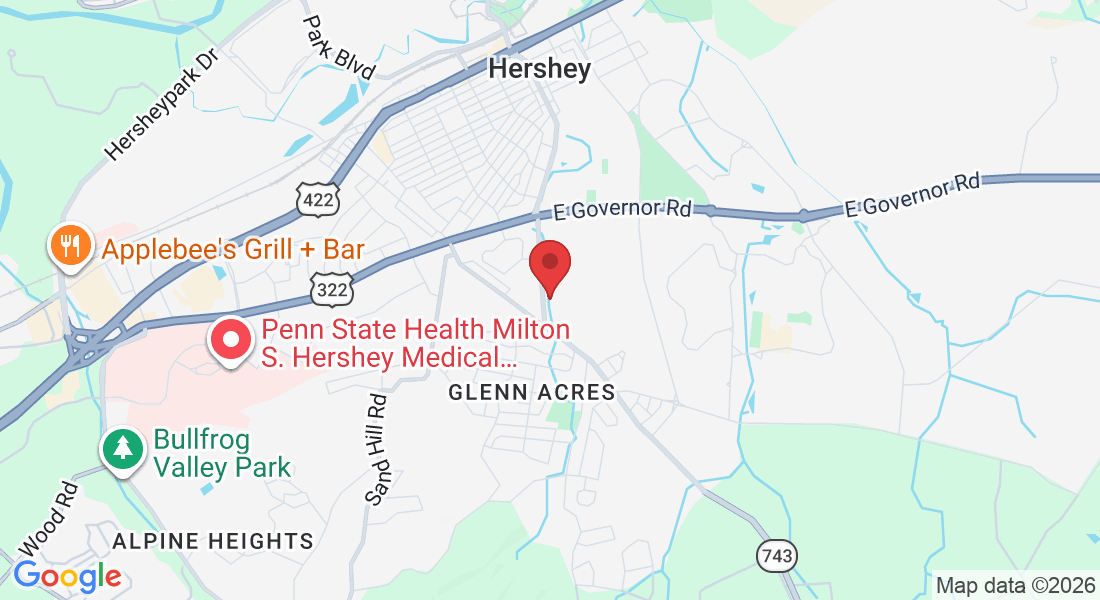
1249 Cocoa Avenue, Suite 190
Hershey, PA 17033
Phone: (717) 882-5888
OFFICE HOURS
By Appointment Only. Call for Availability
GET IN TOUCH
© Copyright 2023. Three Angels Family Practice & Wellness Center | Sitemap | Accessibility
Powered by Cima Growth Solutions
LOCATION
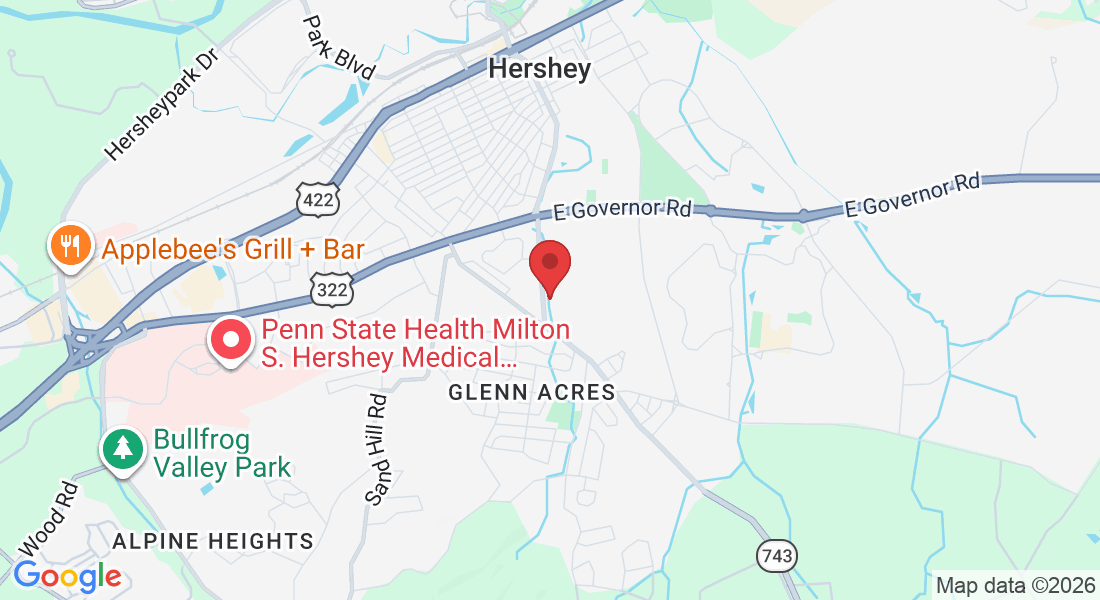
1249 Cocoa Avenue, Suite 190
Hershey, PA 17033
Phone: (717) 882-5888
OFFICE HOURS
By Appointment Only
Call (717) 882-5888
GET IN TOUCH
© Copyright 2023. Three Angels Family Practice & Wellness Center | Sitemap | Accessibility
Powered by Cima Growth Solutions