
BLOGS
BLOGS

Heat Exhaustion vs. Heat Stroke: A Central PA Guide
July in Central Pennsylvania is beautiful — farmers markets in full swing, kids at summer camps, families spending evenings on the porch in Hershey and Hummelstown. It is also the month when the heat and humidity can turn genuinely dangerous, fast.
Heat-related illness is one of the most preventable causes of death in the United States. Yet according to CDC data covering 2004 through 2018, an average of 702 Americans died from heat exposure every single year — and more recent research published in JAMA shows that number has more than doubled, rising to approximately 2,325 deaths annually by 2023. Heat now kills more people each year than hurricanes and tornadoes combined.
Knowing the difference between heat exhaustion and heat stroke — and recognizing when someone has crossed from one to the other — can save a life. Here is what Dr. Danette J. Joseph, MD, board-certified family medicine physician at Three Angels Family Practice & Wellness Center in Hershey, wants every Central PA family to understand before they step outside this summer.
What Is Heat-Related Illness?
Heat-related illness happens when your body cannot shed heat fast enough to keep up with the environment. Your body normally cools itself through sweating and by routing blood to vessels near the skin. When those mechanisms are overwhelmed, trouble follows quickly. The CDC identifies several types of heat-related illness, ranging from mild to life-threatening:
- Heat cramps: Painful muscle spasms, usually in the legs or abdomen, caused by heavy sweating and low salt levels.
- Heat syncope: Fainting or dizziness from standing too long or rising quickly in the heat.
- Heat exhaustion: A more serious condition involving significant fluid and electrolyte loss.
- Heat stroke: A medical emergency in which the body's cooling system fails completely.
Heat cramps and syncope can often be managed at home. Heat exhaustion and heat stroke require immediate attention — and distinguishing between the two matters enormously.
Heat Exhaustion vs. Heat Stroke: Know the Difference
These two conditions sit on the same spectrum, but they are not the same thing. Heat exhaustion is serious. Heat stroke is a life-threatening emergency that requires calling 911.
Heat exhaustion occurs when the body loses large amounts of fluid and electrolytes — primarily sodium, chloride, and potassium — through sweating. Signs include:
- Heavy, profuse sweating
- Cool, pale, clammy skin
- Rapid, weak pulse
- Muscle cramps or weakness
- Nausea or vomiting
- Dizziness or headache
- Fatigue so heavy it feels like the "summer flu"
A person with heat exhaustion may also seem a little irritable or confused — but if mental changes are mild and improve quickly with cooling and rest, heat exhaustion is likely the diagnosis. Body temperature is normal or only mildly elevated.
Heat stroke is a different story. According to the CDC, heat stroke occurs when the body can no longer control its temperature — the sweating mechanism fails, and core temperature can rise to 106°F or higher within 10 to 15 minutes. It can cause permanent organ damage or death without emergency treatment.
Signs of heat stroke include:
- High body temperature — typically 103°F or above, often 104°F or higher
- Hot, red skin that may be dry or still sweating (depending on the type)
- Rapid, strong pulse
- Altered mental status — confusion, slurred speech, disorientation, seizures, or loss of consciousness
- Nausea and vomiting
The single most important warning sign: significant confusion or altered mental status in the heat always warrants calling 911. A person experiencing heat stroke often does not know how sick they are. They cannot advocate for themselves. Someone nearby needs to act.
The CDC Yellow Book (2026 edition) is clear: without stopping activity and beginning active cooling, heat exhaustion can progress to heat stroke faster than most people expect.
Who Is Most at Risk This Summer
Anyone can develop heat illness — healthy young adults included. But some people's bodies are significantly less equipped to handle extreme heat. A peer-reviewed review published in the Canadian Medical Association Journal identified the following groups as carrying the highest risk:
- Adults over 60: Older adults have reduced sweat production, a diminished sense of thirst, and a decreased ability to increase heart rate in response to heat. Between 82% and 92% of excess heat-related mortality occurs in this age group.
- Infants and young children: Their thermoregulatory systems are not fully developed. They cannot remove themselves from hot environments and depend entirely on caregivers to keep them safe.
- People with diabetes: Long-standing diabetes can damage the nerves that control sweat glands, impairing the body's ability to cool itself. Poorly controlled blood sugar also causes increased urination, leading to dehydration before the heat even becomes a factor.
- People with cardiovascular disease or hypertension: The heart must work significantly harder in the heat. Individuals with cardiovascular dysfunction cannot adequately increase cardiac output or redirect blood flow to the skin — the primary mechanism for releasing heat.
- People with obesity or pulmonary disease: Both conditions impair the body's ability to adapt to heat stress.
- People who are homebound or socially isolated: They may not be able to get to a cool environment, and no one may notice if they begin to decline.
If you or a loved one in Hershey, Palmyra, Harrisburg, Hummelstown, or the surrounding communities falls into any of these categories, this summer calls for extra vigilance.
Medications That Can Raise Your Risk
This is something Dr. Joseph wants her patients to know: the medications you take every day may quietly increase your vulnerability to heat illness. This does not mean stopping medications on your own — it means having a conversation with your doctor before summer reaches its peak.
CDC clinical guidance for healthcare providers identifies several commonly prescribed drug classes that interact with heat:
- Diuretics (water pills like furosemide or hydrochlorothiazide): These medications remove fluid from the body, which is their intended purpose. In summer heat, they can cause or worsen dehydration and reduce electrolytes at a time when the body is already losing both through sweat.
- Beta-blockers (metoprolol, propranolol): Often prescribed for hypertension or heart conditions, these reduce the heart rate and can impair blood flow to the skin — the same mechanism the body relies on to release heat.
- Anticholinergic medications (oxybutynin for overactive bladder, benztropine for Parkinson's): These block acetylcholine, a neurotransmitter involved in sweat production. They can significantly reduce or eliminate sweating, which is the body's primary cooling tool.
- Antipsychotics and certain antidepressants (SSRIs/SNRIs): These affect central nervous system control of body temperature.
- ACE inhibitors or ARBs combined with diuretics: The combination significantly amplifies risk of harm from heat exposure.
The CDC also reminds patients that insulin can be degraded by heat — always store it in the refrigerator and never leave it in a hot car.
If you take any of these medications, ask Dr. Joseph or your prescribing provider whether your regimen warrants any adjustment during the hottest weeks of summer.
What You Can Do to Stay Safe
The good news: heat illness is largely preventable. Simple strategies make a real difference.
- Drink before you are thirsty. Thirst is a late signal. By the time you feel it on a 90-degree day in central Pennsylvania, you are already behind. Sip water consistently throughout the day.
- Stay in air conditioning during peak heat. Air conditioning is the single strongest protective factor against heat-related illness. If you do not have AC at home, consider cooling centers, libraries, or malls during the hottest hours (typically 11 a.m. to 4 p.m.).
- Dress for the heat. Light-colored, loose-fitting, lightweight clothing helps your body release heat more efficiently.
- Time your outdoor activities wisely. Early morning and evening are significantly safer for yard work, exercise, or outdoor events.
- Never leave a child or pet in a parked car. Even on a 75°F day, car interiors can reach dangerous temperatures within minutes.
- Check on neighbors and family members who are elderly or live alone. A phone call can save a life. People who are at serious risk from heat often do not realize how sick they are becoming.
When to Seek Medical Care — and When to Call 911
For heat exhaustion: move the person to a cool, shaded area. Loosen or remove excess clothing. Apply cool, wet cloths to the skin. If they are conscious and not nauseated, give them cool water or a sports drink with electrolytes in small sips. Most cases of heat exhaustion improve with rest and rehydration within an hour.
Seek emergency care or call 911 if:
- Symptoms do not improve within 30 to 60 minutes of cooling and rest
- The person vomits or cannot hold down fluids
- Any confusion, disorientation, or unusual behavior is present
- Body temperature is at or above 103°F
- The person loses consciousness or has a seizure
For suspected heat stroke: call 911 immediately. While waiting, begin cooling right away — apply ice packs or cold, wet cloths to the neck, armpits, and groin; remove excess clothing; fan the person. Do not give water to someone who is unconscious or severely confused. When treatment is delayed, heat stroke mortality can reach 80%. With early, aggressive cooling, it drops to around 10%.
How Three Angels Family Practice Approaches Heat Health
At Three Angels Family Practice & Wellness Center, Dr. Joseph takes an integrative approach to summer wellness — meaning a conversation about heat is never separate from chronic disease management. If you have diabetes, hypertension, or heart disease, your summer health plan should address heat risk directly.
During wellness visits and chronic disease follow-ups, the team reviews medication lists with heat interactions in mind. For patients on diuretics, beta-blockers, or other heat-sensitizing medications, summer is a good time to discuss whether any adjustments make sense for the hottest months. If you experienced heat exhaustion this summer — even if you recovered at home — mention it at your next visit, as heat illness can affect kidney function and electrolyte balance in ways worth checking.
Talk with Dr. Joseph
If you would like to discuss summer heat safety, heat illness risk factors, or medication management with Dr. Danette J. Joseph, our board-certified family medicine physician at Three Angels Family Practice & Wellness Center in Hershey, PA, we are welcoming new patients. We also serve families in Palmyra, Hummelstown, Harrisburg, Middletown, Mechanicsburg, Camp Hill, Elizabethtown, and surrounding communities throughout Central Pennsylvania.
Request an appointment online or call (717) 298-1268.
Medical disclaimer: This article is for general educational purposes and does not constitute medical advice, diagnosis, or treatment. Always consult a qualified healthcare provider with questions about a medical condition or before starting, stopping, or changing any treatment. Reading this article does not create a physician-patient relationship with Dr. Danette J. Joseph or Three Angels Family Practice & Wellness Center.

Heat Exhaustion vs. Heat Stroke: A Central PA Guide
July in Central Pennsylvania is beautiful — farmers markets in full swing, kids at summer camps, families spending evenings on the porch in Hershey and Hummelstown. It is also the month when the heat and humidity can turn genuinely dangerous, fast.
Heat-related illness is one of the most preventable causes of death in the United States. Yet according to CDC data covering 2004 through 2018, an average of 702 Americans died from heat exposure every single year — and more recent research published in JAMA shows that number has more than doubled, rising to approximately 2,325 deaths annually by 2023. Heat now kills more people each year than hurricanes and tornadoes combined.
Knowing the difference between heat exhaustion and heat stroke — and recognizing when someone has crossed from one to the other — can save a life. Here is what Dr. Danette J. Joseph, MD, board-certified family medicine physician at Three Angels Family Practice & Wellness Center in Hershey, wants every Central PA family to understand before they step outside this summer.
What Is Heat-Related Illness?
Heat-related illness happens when your body cannot shed heat fast enough to keep up with the environment. Your body normally cools itself through sweating and by routing blood to vessels near the skin. When those mechanisms are overwhelmed, trouble follows quickly. The CDC identifies several types of heat-related illness, ranging from mild to life-threatening:
- Heat cramps: Painful muscle spasms, usually in the legs or abdomen, caused by heavy sweating and low salt levels.
- Heat syncope: Fainting or dizziness from standing too long or rising quickly in the heat.
- Heat exhaustion: A more serious condition involving significant fluid and electrolyte loss.
- Heat stroke: A medical emergency in which the body's cooling system fails completely.
Heat cramps and syncope can often be managed at home. Heat exhaustion and heat stroke require immediate attention — and distinguishing between the two matters enormously.
Heat Exhaustion vs. Heat Stroke: Know the Difference
These two conditions sit on the same spectrum, but they are not the same thing. Heat exhaustion is serious. Heat stroke is a life-threatening emergency that requires calling 911.
Heat exhaustion occurs when the body loses large amounts of fluid and electrolytes — primarily sodium, chloride, and potassium — through sweating. Signs include:
- Heavy, profuse sweating
- Cool, pale, clammy skin
- Rapid, weak pulse
- Muscle cramps or weakness
- Nausea or vomiting
- Dizziness or headache
- Fatigue so heavy it feels like the "summer flu"
A person with heat exhaustion may also seem a little irritable or confused — but if mental changes are mild and improve quickly with cooling and rest, heat exhaustion is likely the diagnosis. Body temperature is normal or only mildly elevated.
Heat stroke is a different story. According to the CDC, heat stroke occurs when the body can no longer control its temperature — the sweating mechanism fails, and core temperature can rise to 106°F or higher within 10 to 15 minutes. It can cause permanent organ damage or death without emergency treatment.
Signs of heat stroke include:
- High body temperature — typically 103°F or above, often 104°F or higher
- Hot, red skin that may be dry or still sweating (depending on the type)
- Rapid, strong pulse
- Altered mental status — confusion, slurred speech, disorientation, seizures, or loss of consciousness
- Nausea and vomiting
The single most important warning sign: significant confusion or altered mental status in the heat always warrants calling 911. A person experiencing heat stroke often does not know how sick they are. They cannot advocate for themselves. Someone nearby needs to act.
The CDC Yellow Book (2026 edition) is clear: without stopping activity and beginning active cooling, heat exhaustion can progress to heat stroke faster than most people expect.
Who Is Most at Risk This Summer
Anyone can develop heat illness — healthy young adults included. But some people's bodies are significantly less equipped to handle extreme heat. A peer-reviewed review published in the Canadian Medical Association Journal identified the following groups as carrying the highest risk:
- Adults over 60: Older adults have reduced sweat production, a diminished sense of thirst, and a decreased ability to increase heart rate in response to heat. Between 82% and 92% of excess heat-related mortality occurs in this age group.
- Infants and young children: Their thermoregulatory systems are not fully developed. They cannot remove themselves from hot environments and depend entirely on caregivers to keep them safe.
- People with diabetes: Long-standing diabetes can damage the nerves that control sweat glands, impairing the body's ability to cool itself. Poorly controlled blood sugar also causes increased urination, leading to dehydration before the heat even becomes a factor.
- People with cardiovascular disease or hypertension: The heart must work significantly harder in the heat. Individuals with cardiovascular dysfunction cannot adequately increase cardiac output or redirect blood flow to the skin — the primary mechanism for releasing heat.
- People with obesity or pulmonary disease: Both conditions impair the body's ability to adapt to heat stress.
- People who are homebound or socially isolated: They may not be able to get to a cool environment, and no one may notice if they begin to decline.
If you or a loved one in Hershey, Palmyra, Harrisburg, Hummelstown, or the surrounding communities falls into any of these categories, this summer calls for extra vigilance.
Medications That Can Raise Your Risk
This is something Dr. Joseph wants her patients to know: the medications you take every day may quietly increase your vulnerability to heat illness. This does not mean stopping medications on your own — it means having a conversation with your doctor before summer reaches its peak.
CDC clinical guidance for healthcare providers identifies several commonly prescribed drug classes that interact with heat:
- Diuretics (water pills like furosemide or hydrochlorothiazide): These medications remove fluid from the body, which is their intended purpose. In summer heat, they can cause or worsen dehydration and reduce electrolytes at a time when the body is already losing both through sweat.
- Beta-blockers (metoprolol, propranolol): Often prescribed for hypertension or heart conditions, these reduce the heart rate and can impair blood flow to the skin — the same mechanism the body relies on to release heat.
- Anticholinergic medications (oxybutynin for overactive bladder, benztropine for Parkinson's): These block acetylcholine, a neurotransmitter involved in sweat production. They can significantly reduce or eliminate sweating, which is the body's primary cooling tool.
- Antipsychotics and certain antidepressants (SSRIs/SNRIs): These affect central nervous system control of body temperature.
- ACE inhibitors or ARBs combined with diuretics: The combination significantly amplifies risk of harm from heat exposure.
The CDC also reminds patients that insulin can be degraded by heat — always store it in the refrigerator and never leave it in a hot car.
If you take any of these medications, ask Dr. Joseph or your prescribing provider whether your regimen warrants any adjustment during the hottest weeks of summer.
What You Can Do to Stay Safe
The good news: heat illness is largely preventable. Simple strategies make a real difference.
- Drink before you are thirsty. Thirst is a late signal. By the time you feel it on a 90-degree day in central Pennsylvania, you are already behind. Sip water consistently throughout the day.
- Stay in air conditioning during peak heat. Air conditioning is the single strongest protective factor against heat-related illness. If you do not have AC at home, consider cooling centers, libraries, or malls during the hottest hours (typically 11 a.m. to 4 p.m.).
- Dress for the heat. Light-colored, loose-fitting, lightweight clothing helps your body release heat more efficiently.
- Time your outdoor activities wisely. Early morning and evening are significantly safer for yard work, exercise, or outdoor events.
- Never leave a child or pet in a parked car. Even on a 75°F day, car interiors can reach dangerous temperatures within minutes.
- Check on neighbors and family members who are elderly or live alone. A phone call can save a life. People who are at serious risk from heat often do not realize how sick they are becoming.
When to Seek Medical Care — and When to Call 911
For heat exhaustion: move the person to a cool, shaded area. Loosen or remove excess clothing. Apply cool, wet cloths to the skin. If they are conscious and not nauseated, give them cool water or a sports drink with electrolytes in small sips. Most cases of heat exhaustion improve with rest and rehydration within an hour.
Seek emergency care or call 911 if:
- Symptoms do not improve within 30 to 60 minutes of cooling and rest
- The person vomits or cannot hold down fluids
- Any confusion, disorientation, or unusual behavior is present
- Body temperature is at or above 103°F
- The person loses consciousness or has a seizure
For suspected heat stroke: call 911 immediately. While waiting, begin cooling right away — apply ice packs or cold, wet cloths to the neck, armpits, and groin; remove excess clothing; fan the person. Do not give water to someone who is unconscious or severely confused. When treatment is delayed, heat stroke mortality can reach 80%. With early, aggressive cooling, it drops to around 10%.
How Three Angels Family Practice Approaches Heat Health
At Three Angels Family Practice & Wellness Center, Dr. Joseph takes an integrative approach to summer wellness — meaning a conversation about heat is never separate from chronic disease management. If you have diabetes, hypertension, or heart disease, your summer health plan should address heat risk directly.
During wellness visits and chronic disease follow-ups, the team reviews medication lists with heat interactions in mind. For patients on diuretics, beta-blockers, or other heat-sensitizing medications, summer is a good time to discuss whether any adjustments make sense for the hottest months. If you experienced heat exhaustion this summer — even if you recovered at home — mention it at your next visit, as heat illness can affect kidney function and electrolyte balance in ways worth checking.
Talk with Dr. Joseph
If you would like to discuss summer heat safety, heat illness risk factors, or medication management with Dr. Danette J. Joseph, our board-certified family medicine physician at Three Angels Family Practice & Wellness Center in Hershey, PA, we are welcoming new patients. We also serve families in Palmyra, Hummelstown, Harrisburg, Middletown, Mechanicsburg, Camp Hill, Elizabethtown, and surrounding communities throughout Central Pennsylvania.
Request an appointment online or call (717) 298-1268.
Medical disclaimer: This article is for general educational purposes and does not constitute medical advice, diagnosis, or treatment. Always consult a qualified healthcare provider with questions about a medical condition or before starting, stopping, or changing any treatment. Reading this article does not create a physician-patient relationship with Dr. Danette J. Joseph or Three Angels Family Practice & Wellness Center.
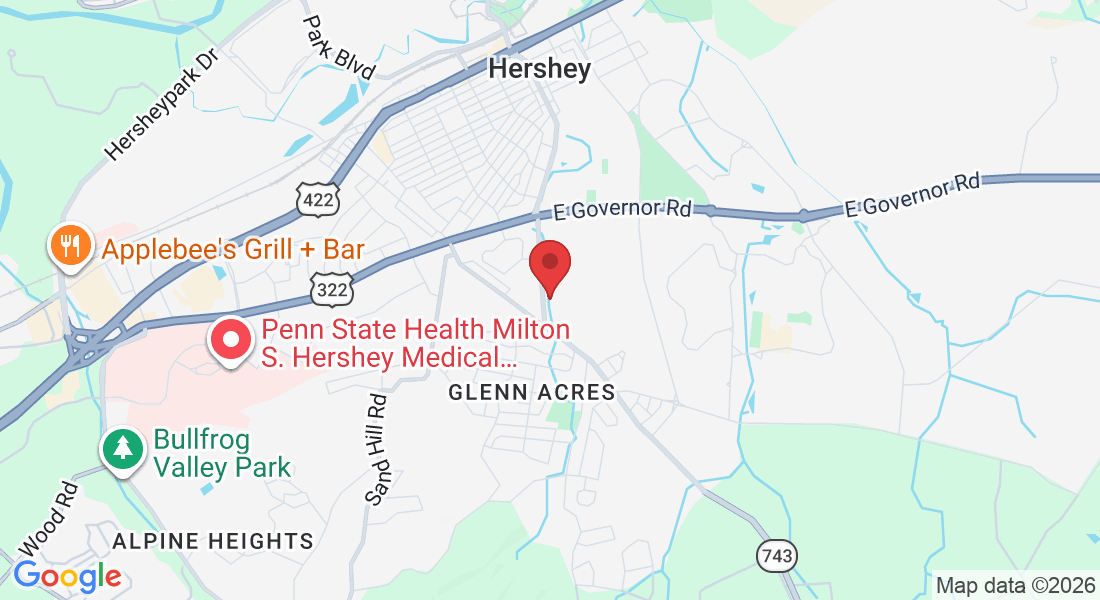
LOCATION
1249 Cocoa Avenue, Suite 190
Hershey, PA 17033
Phone: (717) 882-5888
OFFICE HOURS
By Appointment Only. Call for Availability
GET IN TOUCH
© Copyright 2023. Three Angels Family Practice & Wellness Center | Sitemap | Accessibility
Powered by Cima Growth Solutions
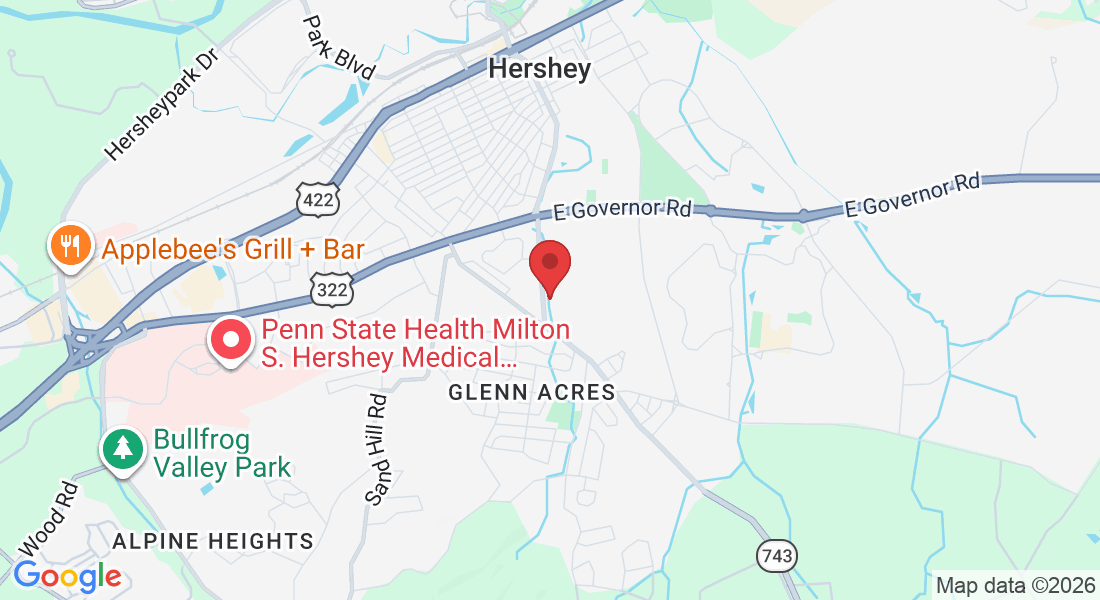
LOCATION
1249 Cocoa Avenue, Suite 190
Hershey, PA 17033
Phone: (717) 882-5888
OFFICE HOURS
By Appointment Only
Call (717) 882-5888
GET IN TOUCH
© Copyright 2023. Three Angels Family Practice & Wellness Center | Sitemap | Accessibility
Powered by Cima Growth Solutions