BLOGS
BLOGS

Flu Shot Season Is Now: Your 2026–27 Guide for Central PA
October in Central Pennsylvania feels a lot like a second spring — cool air, open windows, kids back to school, and everyone spending more time indoors. It also marks the beginning of flu season.
Influenza (the flu) is not a bad cold. It is a contagious respiratory illness caused by influenza viruses that can land otherwise healthy people in the hospital — and in some cases, prove fatal. The best protection is still a simple one: an annual flu shot. And right now — October — is exactly the right time to get one.
For the 2026–27 season, the flu vaccine has been updated in all three of its virus components. If you got vaccinated last year, last year's shot does not protect you this season. Here is what Dr. Danette J. Joseph, MD, board-certified family medicine physician at Three Angels Family Practice & Wellness Center, wants every patient in Hershey and the surrounding communities to know before Halloween arrives.
What Is Influenza — and Why Is It Serious?
Influenza is caused by influenza A and B viruses. Unlike a cold, flu symptoms often come on suddenly: fever, chills, muscle aches, headache, fatigue, dry cough, and sore throat. Some people also have vomiting and diarrhea, though this is more common in children.
Most healthy adults recover in one to two weeks. But for many people, the flu can escalate into something far more serious.
The 2024–25 influenza season was classified as a high-severity season by the CDC — the first time that had happened across all age groups since 2017–18. According to CDC flu burden estimates, that season resulted in approximately 51 million illnesses, 710,000 hospitalizations, and 45,000 deaths in the United States. Adults 65 and older accounted for 57% of hospitalizations and 71% of deaths. And in a sobering reminder that flu can affect children too, MMWR data showed 290 reported pediatric deaths — the highest number ever recorded for a regular (non-pandemic) flu season since reporting began in 2004.
The most common complications among hospitalized flu patients that season included pneumonia (30%), sepsis (a life-threatening infection response, 18.5%), and acute kidney failure (18.1%).
What the Research Says About the 2026–27 Flu Vaccine
One question patients often ask: "Does the flu shot actually work?" The honest answer is yes — with an important footnote about how effectiveness is measured.
Flu vaccines are reformulated each year to match the viruses most likely to circulate. According to the CDC's 2026–27 flu season page, all three virus components in this year's vaccines were updated compared to last season. That includes a specific change to protect against the influenza A(H3N2) subclade K virus, which spread widely in 2025–26 and caused a mismatch that reduced last season's vaccine effectiveness.
That mismatch matters: interim estimates from CDC's MMWR (March 2026) found that the 2025–26 vaccine reduced flu-related hospitalizations by about 41% in children and adolescents and about 30% in adults — lower than typical seasons. Yet even with that reduced effectiveness, vaccination still prevented an estimated 10 million flu illnesses, 180,000 hospitalizations, and 12,000 deaths. As CDC researchers wrote in that same report, "even in seasons when overall VE is reduced, influenza vaccination has prevented thousands of hospitalizations and deaths."
Because the 2026–27 vaccine has been specifically updated to address the strain that caused last season's mismatch, there is good reason to expect stronger protection this year.
One new development worth knowing: the FDA approved mFLUSIVA (made by Moderna) in August 2026 — the first mRNA-based seasonal influenza vaccine, approved for adults age 50 and older. It joins existing options like the standard flu shot, high-dose formulations for older adults, and the nasal spray vaccine. Your provider can help you decide which form is right for you.
Who Should Get a Flu Shot — and Who Needs Special Attention
The short answer: nearly everyone. The CDC recommends annual influenza vaccination for all people aged 6 months and older, with rare exceptions. But some groups face a significantly higher risk of serious complications and should treat vaccination as a priority, not an afterthought.
Adults 65 and older should ask specifically about enhanced flu vaccines — including high-dose inactivated vaccines (Fluzone High-Dose), adjuvanted vaccines (Fluad), recombinant vaccines (Flublok), or the new mRNA option (mFLUSIVA). These formulations are designed to produce a stronger immune response in older adults, whose immune systems naturally respond less vigorously to standard vaccines. If your preferred enhanced vaccine is not available, don't wait — get whatever age-appropriate vaccine is on hand.
Pregnant women are encouraged to receive the inactivated flu vaccine during any trimester. The flu can be more severe during pregnancy, and the antibodies a mother develops pass to her baby, providing some protection during the first months of life before the infant is old enough to be vaccinated.
Young children (under 5) are at higher risk of serious flu complications. Children aged 6 months through 8 years who have never been vaccinated — or who have an uncertain vaccination history — need two doses given at least four weeks apart to build full protection.
People with chronic medical conditions are also especially vulnerable. This includes people with:
- Asthma or other lung disease
- Diabetes (type 1 or type 2)
- Heart disease
- Obesity
- Kidney or liver disease
- A weakened immune system
Among adults hospitalized with flu during the 2024–25 season, the most common underlying conditions were obesity in working-age adults and cardiovascular disease in those 65 and older. Flu can worsen these conditions significantly. If you manage a chronic illness, getting vaccinated is one of the most protective things you can do each fall.
Why October Matters — and What Happens If You Miss the Window
The CDC and Johns Hopkins Medicine both recommend vaccination before the end of October for most people. Here's why: the flu vaccine takes about two weeks to take full effect. Getting vaccinated now gives your immune system time to build protection before flu activity starts rising and before people spend the holidays together indoors.
Flu season typically begins to ramp up in October and November, peaks between December and February, and can stretch into May. Waiting until December might still offer some protection — but it means you are unprotected during some of the highest-risk weeks of the year.
Some providers use the phrase "flu before boo" as a reminder: get your flu shot before Halloween. For families in Hershey, Hummelstown, Palmyra, and Middletown, that window is right now.
If you do miss October, do not skip vaccination entirely. Getting vaccinated in November, December, or even January still reduces your risk compared to not being vaccinated at all.
Common Side Effects — and What They Actually Mean
Side effects from the flu shot are usually mild and short-lived. The most common ones are a sore arm at the injection site, mild fatigue, a low-grade headache, or muscle aches for a day or two. These are signs that your immune system is responding to the vaccine — not signs that you are getting sick.
It is not possible to get influenza from the standard inactivated flu shot. The nasal spray (FluMist) contains weakened live virus and is not recommended for pregnant women, adults 50 and older, people with certain immune conditions, or children with severe asthma. Your provider will help you choose the right formulation.
Most health insurance plans cover the annual flu vaccine at no cost as a preventive service. For uninsured or underinsured children, the CDC's Vaccines for Children (VFC) program provides flu vaccination at no cost.
What You Can Do Beyond the Shot
Vaccination is the single most effective step — but it works best alongside good everyday habits. During flu season in Central PA, these practices make a real difference:
- Wash hands frequently with soap and water for at least 20 seconds, especially after being in shared spaces.
- Avoid touching your face — eyes, nose, and mouth are the main entry points for respiratory viruses.
- Stay home when sick. Flu is contagious from about one day before symptoms start through five to seven days after.
- Ventilate indoor spaces when possible. Flu viruses spread more easily in dry, still indoor air — especially relevant as homes in Central PA close up for winter.
- Support your immune system with adequate sleep, regular physical activity, and a diet rich in fruits, vegetables, and whole foods.
When to Call Your Doctor
Most flu illnesses can be managed at home with rest and hydration. But some symptoms warrant calling your doctor — or going to the emergency room — right away:
- Difficulty breathing or shortness of breath
- Persistent chest pain or pressure
- Confusion or altered mental status
- Severe or persistent vomiting that prevents keeping fluids down
- Signs of dehydration in children (no tears when crying, no wet diapers for 8 hours, very dry mouth)
- Symptoms that improve and then return worse
If you test positive for flu at home and you are in a high-risk group — older adult, pregnant, immunocompromised, or managing a chronic condition — call the practice right away. Prescription antiviral medications work best when started within the first 48 hours of symptoms and can significantly reduce the severity and duration of illness.
How Three Angels Family Practice Approaches Flu Prevention
At Three Angels Family Practice & Wellness Center in Hershey, flu prevention is part of a broader approach to keeping families healthy through every season. Dr. Joseph combines evidence-based recommendations from the CDC and major medical societies with a genuine focus on the whole patient — your health history, your household, and your risk factors.
If it has been a while since your last visit, flu season is a natural moment to schedule your annual physical or well-visit. Dr. Joseph can review your vaccination status, discuss any chronic conditions that may put you at higher risk for complications, and make sure your entire family is heading into winter well-protected. The practice serves patients throughout Hershey, Harrisburg, Mechanicsburg, Camp Hill, Elizabethtown, and the surrounding Central PA communities.
One thing worth noting: as of this season, fewer than half of U.S. adults received a flu vaccine in 2025–26, according to CDC's FluVaxView data. That vaccination gap leaves millions of people unnecessarily vulnerable — including many who assume they are healthy enough not to need it. The flu does not always discriminate. Protection is worth the 15 minutes it takes to get a shot.
Talk with Dr. Joseph
If you'd like to discuss flu vaccination or fall preventive care with Dr. Joseph, our board-certified family medicine physician at Three Angels Family Practice & Wellness Center in Hershey, we are welcoming new patients. We also serve Hummelstown, Palmyra, Middletown, and Harrisburg.
Request an appointment online or call (717) 298-1268.
Medical disclaimer: This article is for general educational purposes and does not constitute medical advice, diagnosis, or treatment. Always consult a qualified healthcare provider with questions about a medical condition or before starting, stopping, or changing any treatment. Reading this article does not create a physician-patient relationship with Dr. Danette J. Joseph or Three Angels Family Practice & Wellness Center.
LOCATION
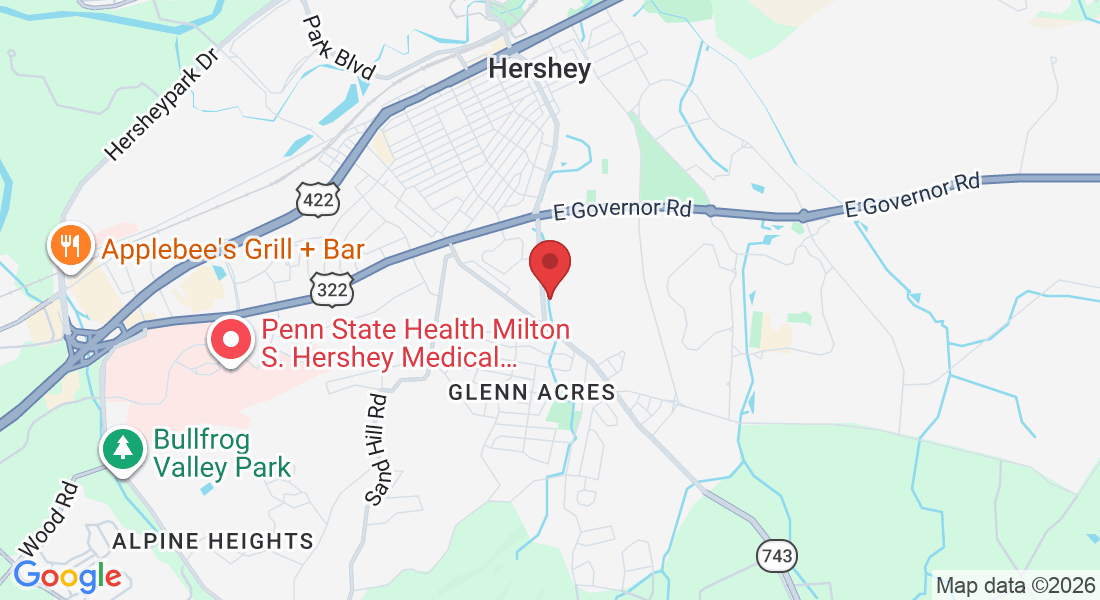
1249 Cocoa Avenue, Suite 190
Hershey, PA 17033
Phone: (717) 882-5888
OFFICE HOURS
By Appointment Only. Call for Availability
GET IN TOUCH
© Copyright 2023. Three Angels Family Practice & Wellness Center | Sitemap | Accessibility
Powered by Cima Growth Solutions
LOCATION
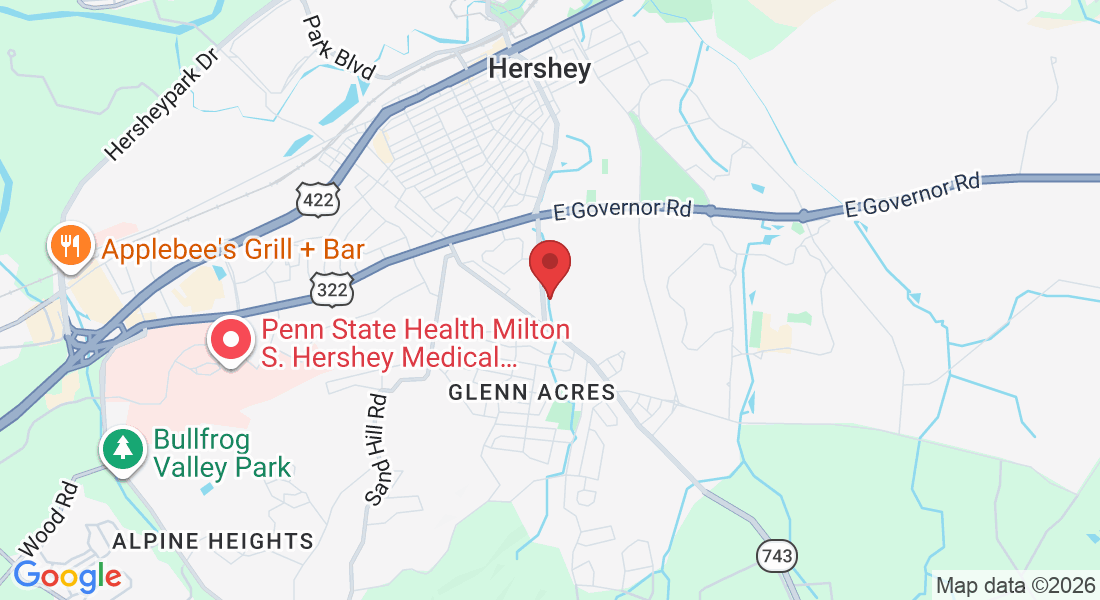
1249 Cocoa Avenue, Suite 190
Hershey, PA 17033
Phone: (717) 882-5888
OFFICE HOURS
By Appointment Only
Call (717) 882-5888
GET IN TOUCH
© Copyright 2023. Three Angels Family Practice & Wellness Center | Sitemap | Accessibility
Powered by Cima Growth Solutions