BLOGS
BLOGS
Back-to-School Physicals: A Parent's Guide for Central PA
July in Hershey means heat, humidity, and the hum of back-to-school preparation. Backpacks are on sale. Supply lists are circulating. And somewhere in the shuffle, a lot of families realize they need to schedule a physical — fast.
Whether your child is starting kindergarten in Hummelstown, entering sixth grade in Palmyra, or gearing up for fall sports in Harrisburg, a physical exam is more than a piece of paper for the school nurse. Done right, it gives you a complete snapshot of your child's health, catches things that haven't come up yet, and sets them up for a strong school year.
Here is what every Central Pennsylvania family should know before they call to book that appointment.
What Is a School Physical — and Is It the Same as a Sports Physical?
These two exams are closely related, but they are not the same thing.
A school physical — also called a well-child visit — is a comprehensive preventive health exam. It covers your child's growth, development, vision, hearing, immunizations, and overall physical and emotional well-being. Think of it as a full check-in on every system in your child's body.
A sports physical (the formal name is a Preparticipation Physical Evaluation, or PPE) is a more targeted exam that determines whether your child can safely compete in athletics. According to guidelines published by the American Academy of Pediatrics (AAP) and the American Academy of Family Physicians (AAFP), the PPE focuses especially on the cardiovascular and musculoskeletal systems — the two areas most directly tied to athletic safety.
The good news is that the two can often be done in the same appointment. The AAP specifically recommends that the sports physical be conducted in your child's primary care physician's office — the same place where your child gets immunizations and ongoing care. Combining the visits means your doctor has a fuller picture of your child's health, your child doesn't have to make two trips, and all records stay in one place.
What Pennsylvania Law Requires
Pennsylvania is specific about when children need a physical on file with their school. Under Section 1402 of the Pennsylvania Public School Code, every student must have a comprehensive physical examination at three points in their school career:
- Upon original entry into school (typically kindergarten or first grade)
- In sixth grade
- In eleventh grade
Private physicals completed by your family physician are accepted. The exam must have been done within one year before the start of the school year in which it is required. That means if your child is heading into sixth grade this fall, a physical completed any time after July 1st of last school year will meet the state requirement.
For sports participation, requirements vary by school and district. Most Pennsylvania high school athletic programs — governed by the Pennsylvania Interscholastic Athletic Association (PIAA) — require a sports physical form before a student can participate in any team sport. Check with your child's athletic director or school nurse for the exact form needed and the submission deadline.
The AAP recommends scheduling the sports physical at least six weeks before the first preseason practice. For most fall sports in Central PA, preseason starts in mid-to-late August. That means families scheduling in early July are right on time — and those waiting until late August may find themselves scrambling.
What the Research Says About Sports Physicals
Youth sports are a major part of life in Central Pennsylvania. Nationally, 58% of children ages 6–17 participated in organized sports in 2024, according to the National Survey of Children's Health — nearly back to pre-pandemic levels and trending upward.
With so many young athletes active, keeping them safe matters. The PPE was designed specifically for that purpose. According to the joint guidelines published by the AAP, AAFP, American College of Sports Medicine, and three other major medical organizations (published as PPE5, the fifth edition), the core goals of a sports physical are:
- Determining your child's general physical and psychological health
- Identifying any conditions that could be life-threatening or disabling during activity
- Finding anything that could increase the risk of injury or illness
- Serving as an entry point into health care for children who do not yet have a regular primary care provider
One important thing to understand: the sports physical is not a guarantee against injury. What it does provide is a meaningful, structured safety screen — particularly for cardiac risk, which is one of the primary concerns in young athletes. The PPE includes a detailed family and personal history review that asks specifically about heart-related symptoms such as fainting during exercise, chest pain with exertion, and unexplained shortness of breath.
The PPE5 guidelines also added a formal mental health component — recognizing that emotional well-being is just as essential to athletic safety as physical readiness.
What Happens During the Appointment
If you have never brought a child or teenager to a combined well-child and sports physical, here is a realistic picture of what to expect.
At a well-child exam, your provider will typically:
- Measure height and weight and compare them against age-appropriate growth charts
- Check blood pressure, heart rate, and temperature
- Screen vision and hearing
- Review and update immunizations based on the current CDC schedule
- Screen for developmental milestones and behavioral concerns
- Discuss nutrition, sleep, physical activity, and safety
- For adolescents: conduct part of the visit privately to allow teens to speak openly about their own health
For the sports physical portion, additional focus goes to:
- Heart and lung exam — listening for murmurs, irregular rhythms, or anything unusual
- Musculoskeletal screening — joints, posture, strength, range of motion, and any prior injuries
- Neurological history — concussions, loss of consciousness, or headaches during activity
- Skin review and general medical conditions
- Mental health — mood, anxiety, and overall emotional readiness to compete
At the end of the visit, your provider completes the required clearance form indicating whether your child is cleared for all sports, cleared with specific limitations, or in need of further evaluation before participating.
Situations Worth Flagging Before the Visit
Most children clear their physical without any issues. But there are situations where a heads-up to your provider beforehand — or at the start of the appointment — makes a real difference.
Let your doctor know if:
- There is a family history of heart disease before age 50, unexplained sudden death, or a known inherited heart condition
- Your child has ever fainted during or immediately after exercise
- Your child has a prior injury — especially a concussion or joint injury — that has not been formally cleared for return to play
- Your child has asthma that is not well controlled — heat and humidity in Central PA summers can trigger symptoms
- Your child has started any new medications or supplements, including protein powders or over-the-counter products marketed to athletes
- You have noticed changes in mood, anxiety, or motivation that have you wondering about your child's mental health
You do not need a diagnosis to mention these things. Simply raising them gives your provider the information needed to do the exam thoroughly and follow up appropriately.
How to Prepare for the Appointment
A little preparation makes the visit go more smoothly for everyone.
Before you arrive:
- Locate your child's immunization records, or ask the school nurse what vaccines are already on file
- Download the sports physical form from your child's school district or athletic department website — or ask our office for the standard Pennsylvania form
- Write down your top three to five questions or concerns to bring with you
- Note any recent injuries, illnesses, or changes in your child's health since the last visit
On the day of the appointment:
- Have your child eat a light meal beforehand
- Bring your insurance card
- If your child is 12 or older, plan for a brief private portion of the visit — this is intentional and gives teens a space to speak openly about sensitive topics
After the visit:
- Request a copy of the completed physical form for your own records
- Follow up on any specialist referrals promptly — don't let them get lost in a busy summer
- If any vaccines were due, confirm that your child's school nurse has the updated records
How Three Angels Family Practice Approaches Children's Health
At Three Angels Family Practice & Wellness Center in Hershey, PA, Dr. Danette J. Joseph, MD — a board-certified family medicine physician with more than ten years of experience caring for Central Pennsylvania families — sees children and adults across every stage of life. That continuity is one of the things that makes primary care different from a walk-in clinic or a school nurse station.
When your child comes in for a school or sports physical at Three Angels, it is not just a checkbox. It is an opportunity to look at the whole child — physical health, emotional well-being, growth trajectory, and how they are showing up in the world. Dr. Joseph takes time to talk with kids and teens, not just about them.
The practice welcomes patients for:
- Annual well-child exams and school physicals
- Sports physicals and PIAA clearance forms
- Immunization reviews and vaccine administration
- Developmental and behavioral health screenings
- Chronic condition management for children with asthma, ADHD, diabetes, and more
Families come to Three Angels from Hershey, Palmyra, Hummelstown, Elizabethtown, Middletown, Campbelltown, Harrisburg, and throughout Dauphin County. If your child does not have a regular doctor yet, or if you've been meaning to schedule that overdue physical, summer is the right time to get it done.
Talk with Dr. Joseph
If you'd like to schedule a school physical, sports physical, or well-child exam for your child, Three Angels Family Practice & Wellness Center in Hershey, PA is welcoming new patients. We also serve families in Palmyra, Hummelstown, Elizabethtown, and Middletown.
Request an appointment online or call (717) 298-1268.
Medical disclaimer: This article is for general educational purposes and does not constitute medical advice, diagnosis, or treatment. Always consult a qualified healthcare provider with questions about a medical condition or before starting, stopping, or changing any treatment. Reading this article does not create a physician-patient relationship with Dr. Danette J. Joseph, MD or Three Angels Family Practice & Wellness Center.

Back-to-School Physicals: A Parent's Guide for Central PA
July in Hershey means heat, humidity, and the hum of back-to-school preparation. Backpacks are on sale. Supply lists are circulating. And somewhere in the shuffle, a lot of families realize they need to schedule a physical — fast.
Whether your child is starting kindergarten in Hummelstown, entering sixth grade in Palmyra, or gearing up for fall sports in Harrisburg, a physical exam is more than a piece of paper for the school nurse. Done right, it gives you a complete snapshot of your child's health, catches things that haven't come up yet, and sets them up for a strong school year.
Here is what every Central Pennsylvania family should know before they call to book that appointment.
What Is a School Physical — and Is It the Same as a Sports Physical?
These two exams are closely related, but they are not the same thing.
A school physical — also called a well-child visit — is a comprehensive preventive health exam. It covers your child's growth, development, vision, hearing, immunizations, and overall physical and emotional well-being. Think of it as a full check-in on every system in your child's body.
A sports physical (the formal name is a Preparticipation Physical Evaluation, or PPE) is a more targeted exam that determines whether your child can safely compete in athletics. According to guidelines published by the American Academy of Pediatrics (AAP) and the American Academy of Family Physicians (AAFP), the PPE focuses especially on the cardiovascular and musculoskeletal systems — the two areas most directly tied to athletic safety.
The good news is that the two can often be done in the same appointment. The AAP specifically recommends that the sports physical be conducted in your child's primary care physician's office — the same place where your child gets immunizations and ongoing care. Combining the visits means your doctor has a fuller picture of your child's health, your child doesn't have to make two trips, and all records stay in one place.
What Pennsylvania Law Requires
Pennsylvania is specific about when children need a physical on file with their school. Under Section 1402 of the Pennsylvania Public School Code, every student must have a comprehensive physical examination at three points in their school career:
- Upon original entry into school (typically kindergarten or first grade)
- In sixth grade
- In eleventh grade
Private physicals completed by your family physician are accepted. The exam must have been done within one year before the start of the school year in which it is required. That means if your child is heading into sixth grade this fall, a physical completed any time after July 1st of last school year will meet the state requirement.
For sports participation, requirements vary by school and district. Most Pennsylvania high school athletic programs — governed by the Pennsylvania Interscholastic Athletic Association (PIAA) — require a sports physical form before a student can participate in any team sport. Check with your child's athletic director or school nurse for the exact form needed and the submission deadline.
The AAP recommends scheduling the sports physical at least six weeks before the first preseason practice. For most fall sports in Central PA, preseason starts in mid-to-late August. That means families scheduling in early July are right on time — and those waiting until late August may find themselves scrambling.
What the Research Says About Sports Physicals
Youth sports are a major part of life in Central Pennsylvania. Nationally, 58% of children ages 6–17 participated in organized sports in 2024, according to the National Survey of Children's Health — nearly back to pre-pandemic levels and trending upward.
With so many young athletes active, keeping them safe matters. The PPE was designed specifically for that purpose. According to the joint guidelines published by the AAP, AAFP, American College of Sports Medicine, and three other major medical organizations (published as PPE5, the fifth edition), the core goals of a sports physical are:
- Determining your child's general physical and psychological health
- Identifying any conditions that could be life-threatening or disabling during activity
- Finding anything that could increase the risk of injury or illness
- Serving as an entry point into health care for children who do not yet have a regular primary care provider
One important thing to understand: the sports physical is not a guarantee against injury. What it does provide is a meaningful, structured safety screen — particularly for cardiac risk, which is one of the primary concerns in young athletes. The PPE includes a detailed family and personal history review that asks specifically about heart-related symptoms such as fainting during exercise, chest pain with exertion, and unexplained shortness of breath.
The PPE5 guidelines also added a formal mental health component — recognizing that emotional well-being is just as essential to athletic safety as physical readiness.
What Happens During the Appointment
If you have never brought a child or teenager to a combined well-child and sports physical, here is a realistic picture of what to expect.
At a well-child exam, your provider will typically:
- Measure height and weight and compare them against age-appropriate growth charts
- Check blood pressure, heart rate, and temperature
- Screen vision and hearing
- Review and update immunizations based on the current CDC schedule
- Screen for developmental milestones and behavioral concerns
- Discuss nutrition, sleep, physical activity, and safety
- For adolescents: conduct part of the visit privately to allow teens to speak openly about their own health
For the sports physical portion, additional focus goes to:
- Heart and lung exam — listening for murmurs, irregular rhythms, or anything unusual
- Musculoskeletal screening — joints, posture, strength, range of motion, and any prior injuries
- Neurological history — concussions, loss of consciousness, or headaches during activity
- Skin review and general medical conditions
- Mental health — mood, anxiety, and overall emotional readiness to compete
At the end of the visit, your provider completes the required clearance form indicating whether your child is cleared for all sports, cleared with specific limitations, or in need of further evaluation before participating.
Situations Worth Flagging Before the Visit
Most children clear their physical without any issues. But there are situations where a heads-up to your provider beforehand — or at the start of the appointment — makes a real difference.
Let your doctor know if:
- There is a family history of heart disease before age 50, unexplained sudden death, or a known inherited heart condition
- Your child has ever fainted during or immediately after exercise
- Your child has a prior injury — especially a concussion or joint injury — that has not been formally cleared for return to play
- Your child has asthma that is not well controlled — heat and humidity in Central PA summers can trigger symptoms
- Your child has started any new medications or supplements, including protein powders or over-the-counter products marketed to athletes
- You have noticed changes in mood, anxiety, or motivation that have you wondering about your child's mental health
You do not need a diagnosis to mention these things. Simply raising them gives your provider the information needed to do the exam thoroughly and follow up appropriately.
How to Prepare for the Appointment
A little preparation makes the visit go more smoothly for everyone.
Before you arrive:
- Locate your child's immunization records, or ask the school nurse what vaccines are already on file
- Download the sports physical form from your child's school district or athletic department website — or ask our office for the standard Pennsylvania form
- Write down your top three to five questions or concerns to bring with you
- Note any recent injuries, illnesses, or changes in your child's health since the last visit
On the day of the appointment:
- Have your child eat a light meal beforehand
- Bring your insurance card
- If your child is 12 or older, plan for a brief private portion of the visit — this is intentional and gives teens a space to speak openly about sensitive topics
After the visit:
- Request a copy of the completed physical form for your own records
- Follow up on any specialist referrals promptly — don't let them get lost in a busy summer
- If any vaccines were due, confirm that your child's school nurse has the updated records
How Three Angels Family Practice Approaches Children's Health
At Three Angels Family Practice & Wellness Center in Hershey, PA, Dr. Danette J. Joseph, MD — a board-certified family medicine physician with more than ten years of experience caring for Central Pennsylvania families — sees children and adults across every stage of life. That continuity is one of the things that makes primary care different from a walk-in clinic or a school nurse station.
When your child comes in for a school or sports physical at Three Angels, it is not just a checkbox. It is an opportunity to look at the whole child — physical health, emotional well-being, growth trajectory, and how they are showing up in the world. Dr. Joseph takes time to talk with kids and teens, not just about them.
The practice welcomes patients for:
- Annual well-child exams and school physicals
- Sports physicals and PIAA clearance forms
- Immunization reviews and vaccine administration
- Developmental and behavioral health screenings
- Chronic condition management for children with asthma, ADHD, diabetes, and more
Families come to Three Angels from Hershey, Palmyra, Hummelstown, Elizabethtown, Middletown, Campbelltown, Harrisburg, and throughout Dauphin County. If your child does not have a regular doctor yet, or if you've been meaning to schedule that overdue physical, summer is the right time to get it done.
Talk with Dr. Joseph
If you'd like to schedule a school physical, sports physical, or well-child exam for your child, Three Angels Family Practice & Wellness Center in Hershey, PA is welcoming new patients. We also serve families in Palmyra, Hummelstown, Elizabethtown, and Middletown.
Request an appointment online or call (717) 298-1268.
Medical disclaimer: This article is for general educational purposes and does not constitute medical advice, diagnosis, or treatment. Always consult a qualified healthcare provider with questions about a medical condition or before starting, stopping, or changing any treatment. Reading this article does not create a physician-patient relationship with Dr. Danette J. Joseph, MD or Three Angels Family Practice & Wellness Center.
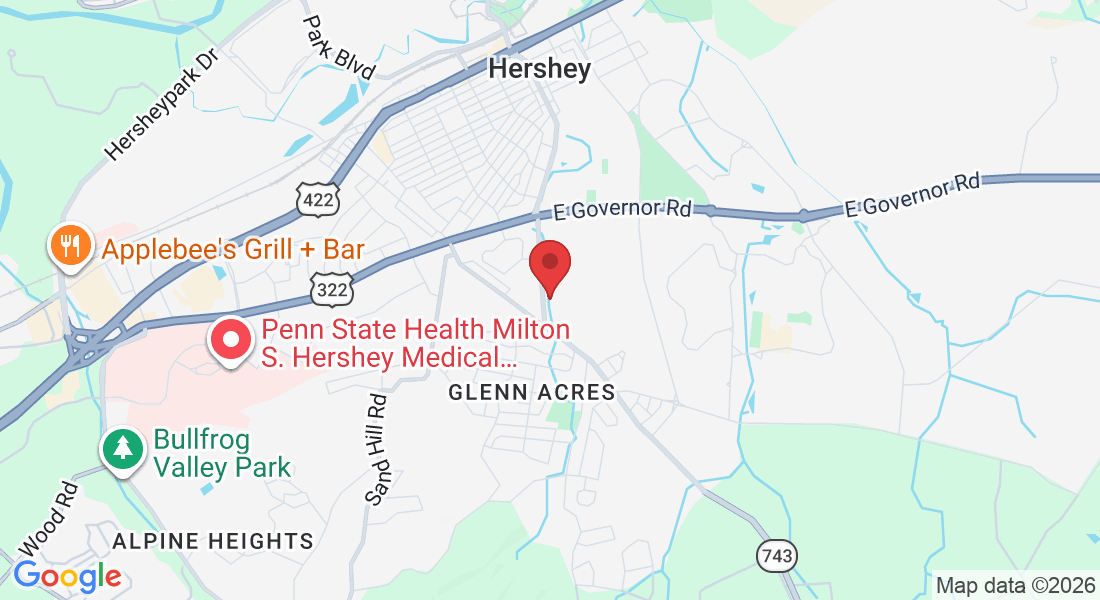
LOCATION
1249 Cocoa Avenue, Suite 190
Hershey, PA 17033
Phone: (717) 882-5888
OFFICE HOURS
By Appointment Only. Call for Availability
GET IN TOUCH
© Copyright 2023. Three Angels Family Practice & Wellness Center | Sitemap | Accessibility
Powered by Cima Growth Solutions
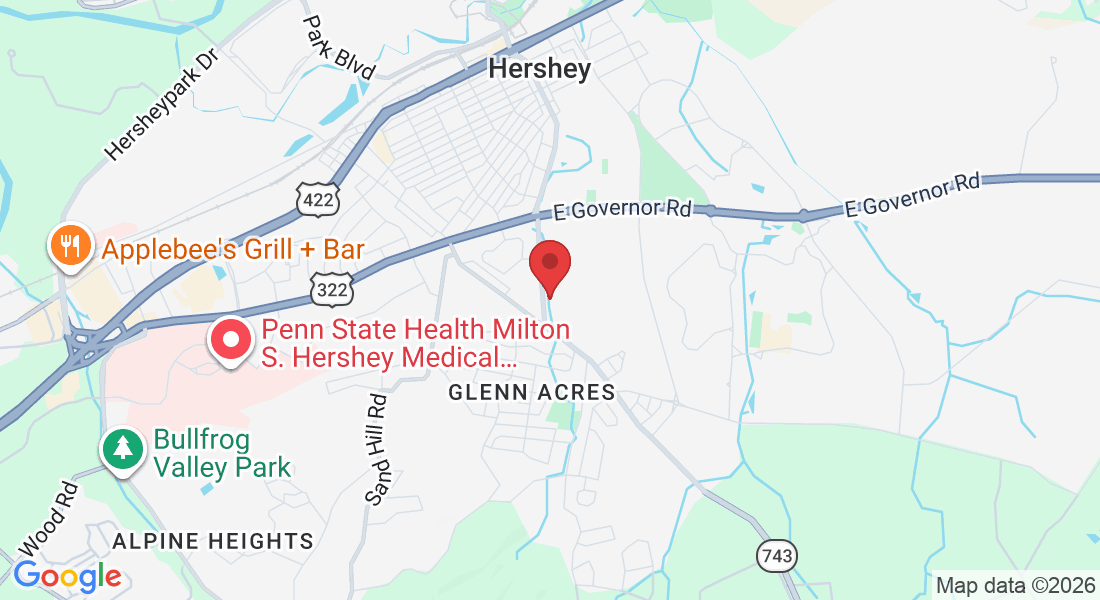
LOCATION
1249 Cocoa Avenue, Suite 190
Hershey, PA 17033
Phone: (717) 882-5888
OFFICE HOURS
By Appointment Only
Call (717) 882-5888
GET IN TOUCH
© Copyright 2023. Three Angels Family Practice & Wellness Center | Sitemap | Accessibility
Powered by Cima Growth Solutions