BLOGS
BLOGS

Back to School: Your Child's Health Checklist for Central PA
August in Hershey means something familiar: new school supplies, alarm clocks reset, and the quiet panic that sets in when a school portal asks for an updated physical. If your family is juggling all of that right now—whether you are in Palmyra, Hummelstown, Harrisburg, or anywhere across Dauphin County—you are not alone. And you are in exactly the right place.
Late summer is the ideal time to take stock of your child's health before the school year takes over. Well-child visits, required immunizations, and sports physicals all have real deadlines, and the good news is that a single appointment with your family doctor can often accomplish all three. Here is what every family in Central Pennsylvania needs to know before the first bell rings.
What Is a Well-Child Visit—and Why Does It Matter?
A well-child visit—also called a check-up, annual physical, or health supervision visit—is a routine preventive appointment that happens even when your child is perfectly healthy. The goal is not to treat illness. It is to catch problems early, track growth, and make sure your child has everything they need to thrive.
The American Academy of Pediatrics (AAP), through its Bright Futures program, publishes a Periodicity Schedule—a research-backed timeline of recommended screenings and assessments from birth through age 21. The 2025 AAP Bright Futures Periodicity Schedule, approved in December 2024 and updated in February 2025, recommends annual well-child visits starting at age 3 and continuing every single year through age 21. That means even your healthy 14-year-old who has not missed a day of school needs an annual visit.
What actually happens at a well-child visit for a school-age child? Quite a bit:
- Growth assessment — height, weight, and body mass index (BMI) to track healthy development over time
- Vision and hearing screening — undetected vision or hearing problems are among the most common hidden causes of learning struggles in school
- Blood pressure check — yes, elevated blood pressure can occur in children, and the AAP recommends blood pressure monitoring at every well-child visit
- Immunization review — your provider will check your child's vaccination record and administer any vaccines that are due
- Developmental and behavioral screening — including mental health screening, which the AAP now recommends annually starting at age 11
- Anticipatory guidance — conversations about nutrition, sleep, screen time, sports safety, and what to expect developmentally in the year ahead
Despite those benefits, research consistently shows that children miss a striking share of their recommended preventive care. Data compiled by The Pennsylvania Key found that children miss between 30% and 50% of their well-child visits—and that well-child visits are directly associated with fewer hospitalizations and fewer emergency department visits. Skipping them is not just an inconvenience. It creates gaps in care that are hard to close later.
Pennsylvania's Immunization Requirements for School
If your child is starting kindergarten, entering 7th grade, or entering 12th grade this fall, there are specific vaccines required by the Commonwealth of Pennsylvania before they set foot in a classroom.
Under 28 Pa. Code § 23.83, the Pennsylvania Department of Health requires the following immunizations for all K–12 students as a condition of school attendance:
- Diphtheria, tetanus, and pertussis (DTaP) — four or more doses, with one dose on or after the fourth birthday
- Polio — four or more doses
- Measles, mumps, and rubella (MMR) — two doses
- Hepatitis B — three doses
- Varicella (chickenpox) — vaccine or documented prior illness
Students entering 7th grade have two additional requirements on the first day of school:
- Tdap (a booster for tetanus, diphtheria, and acellular pertussis)
- Meningococcal conjugate vaccine (MCV) — one dose
Students entering 12th grade need a second dose of MCV if they have not already received one on or after their 16th birthday.
It is worth noting that despite changes to the federal childhood vaccine schedule announced by the CDC in January 2026, Pennsylvania's Department of Health confirmed in its June 2026 guidance to school administrators that there are no changes in vaccine requirements for Pennsylvania school attendance. Governor Shapiro signed Executive Order 2025-02 in October 2025, aligning state vaccine guidance with the AAP and the American Academy of Family Physicians (AAFP). Pennsylvania's school immunization law stands.
Children who do not meet immunization requirements by the first day of school may be excluded from attending. If you are not sure whether your child is current, your family doctor can review their records at any appointment—including the annual physical.
The Sports Physical: More Than a Box to Check
If your child plays a school sport—cross country, soccer, volleyball, football, swim, basketball—they almost certainly need a preparticipation physical evaluation (PPE), better known as a sports physical, before the season begins.
Youth sports participation in the United States reached 58% of children ages 6 to 17 in 2024, according to federal data tracked by the Aspen Institute's Project Play. With more than half of American children active in organized sports, the sports physical is one of the most common reasons families visit a primary care physician each year.
The AAP and the AAFP jointly developed the Preparticipation Physical Evaluation (PPE) Monograph, now in its fifth edition (PPE5). According to the AAFP's clinical summary of PPE5, the sports physical evaluates three core systems—plus mental health:
- Cardiovascular — a structured review of personal and family cardiac history, looking for conditions that could put an athlete at risk during exertion
- Musculoskeletal — examining joints, range of motion, flexibility, and any history of prior injuries
- Neurological — including a thorough screen for concussion history and lingering symptoms
- Mental health — PPE5 added formal screening for depression, anxiety, and attention-deficit/hyperactivity disorder (ADHD), recognizing that these conditions affect athletic performance and safety
The medical history portion is the single most important component. Research cited in the AAFP guidelines shows that the history alone can detect up to 88% of general medical conditions and 67% to 75% of musculoskeletal conditions relevant to sports participation. That is why it matters to fill out the history form carefully and honestly before the appointment—not just check boxes to get the form signed.
Timing matters too. The AAP recommends scheduling the sports physical at least 6 to 8 weeks before the first preseason practice. That window gives your provider time to refer your child to a specialist if anything warrants further evaluation—without unnecessarily delaying their start. If school sports in the Hershey, Mechanicsburg, and Harrisburg area begin in late August, the time to schedule is right now.
One practical note: the AAP recommends that the sports physical happen in your child's medical home—with their regular family doctor or primary care provider—rather than a group gym setting with multiple examiners. A provider who already knows your child's history can catch things a one-size-fits-all station exam simply cannot.
Other Health Topics Worth Raising This Fall
The well-child visit is a natural opportunity to address things that often get buried in the school-year rush:
- Sleep. School-age children (ages 6–12) need 9 to 12 hours per night; teenagers need 8 to 10. Summer schedule drift—later bedtimes, later wake times—is real, and it can create attention and mood problems in the first weeks of school.
- Screen time and social media. The AAP recommends consistent family media plans and ongoing conversations rather than a single hard cutoff. The well-child visit is a good place to start that conversation with your provider.
- Mental health. Anxiety, depression, and attention difficulties are common in school-age children and often surface around transitions—a new school year, a new grade, a new school. Annual behavioral screening is part of the recommended well-child visit starting at age 11.
- Nutrition. Busy fall schedules mean more fast food and skipped breakfasts. A conversation with your provider can help your family identify a few simple, sustainable changes.
- Chronic conditions. If your child manages asthma, allergies, or any other ongoing condition, back-to-school season is a good time to review current management and make sure their school has updated action plans.
When to Schedule an Appointment
Here is a simple checklist for Central PA families preparing for the 2026–2027 school year:
- Your child has not had a well-child visit in the past 12 months → Schedule one now.
- Your child is entering kindergarten, 7th grade, or 12th grade → Confirm immunization status and book a visit before school starts.
- Your child plays a school sport with preseason starting in August or September → Schedule a sports physical immediately. The 6–8 week window opens right now.
- You have questions about your child's growth, mood, sleep, or behavior → Bring them to the well-child visit. No concern is too small.
If your child needs a school sports clearance form signed, bring it to the appointment. In most cases, the sports physical and the annual well-child visit can be combined into one appointment—saving you a second trip.
How Three Angels Family Practice Supports Your Family's Health
At Three Angels Family Practice & Wellness Center in Hershey, Dr. Danette J. Joseph, MD—a board-certified family medicine physician with more than a decade of experience in Central Pennsylvania—provides annual physicals, well-child exams, school physicals, sports physicals, and travel physicals for children and adolescents. Dr. Joseph's integrative approach means she looks at the whole child: not just the checklist, but the lifestyle, the family context, and the long-term patterns that shape how a child grows.
Three Angels serves families throughout the region, including Palmyra, Hummelstown, Harrisburg, Mechanicsburg, Middletown, Camp Hill, and Elizabethtown. If your child needs a well-child visit or sports physical before the school year begins, we would be glad to help your family start the year on solid footing.
Talk with Dr. Joseph
If you'd like to schedule a well-child visit, school physical, or sports physical for your child, Three Angels Family Practice & Wellness Center in Hershey is welcoming new patients. We also serve families in Palmyra, Hummelstown, Mechanicsburg, and Harrisburg.
Request an appointment online or call (717) 298-1268.
Medical disclaimer: This article is for general educational purposes and does not constitute medical advice, diagnosis, or treatment. Always consult a qualified healthcare provider with questions about a medical condition or before starting, stopping, or changing any treatment. Reading this article does not create a physician-patient relationship with Dr. Danette J. Joseph or Three Angels Family Practice & Wellness Center.

Back to School: Your Child's Health Checklist for Central PA
August in Hershey means something familiar: new school supplies, alarm clocks reset, and the quiet panic that sets in when a school portal asks for an updated physical. If your family is juggling all of that right now—whether you are in Palmyra, Hummelstown, Harrisburg, or anywhere across Dauphin County—you are not alone. And you are in exactly the right place.
Late summer is the ideal time to take stock of your child's health before the school year takes over. Well-child visits, required immunizations, and sports physicals all have real deadlines, and the good news is that a single appointment with your family doctor can often accomplish all three. Here is what every family in Central Pennsylvania needs to know before the first bell rings.
What Is a Well-Child Visit—and Why Does It Matter?
A well-child visit—also called a check-up, annual physical, or health supervision visit—is a routine preventive appointment that happens even when your child is perfectly healthy. The goal is not to treat illness. It is to catch problems early, track growth, and make sure your child has everything they need to thrive.
The American Academy of Pediatrics (AAP), through its Bright Futures program, publishes a Periodicity Schedule—a research-backed timeline of recommended screenings and assessments from birth through age 21. The 2025 AAP Bright Futures Periodicity Schedule, approved in December 2024 and updated in February 2025, recommends annual well-child visits starting at age 3 and continuing every single year through age 21. That means even your healthy 14-year-old who has not missed a day of school needs an annual visit.
What actually happens at a well-child visit for a school-age child? Quite a bit:
- Growth assessment — height, weight, and body mass index (BMI) to track healthy development over time
- Vision and hearing screening — undetected vision or hearing problems are among the most common hidden causes of learning struggles in school
- Blood pressure check — yes, elevated blood pressure can occur in children, and the AAP recommends blood pressure monitoring at every well-child visit
- Immunization review — your provider will check your child's vaccination record and administer any vaccines that are due
- Developmental and behavioral screening — including mental health screening, which the AAP now recommends annually starting at age 11
- Anticipatory guidance — conversations about nutrition, sleep, screen time, sports safety, and what to expect developmentally in the year ahead
Despite those benefits, research consistently shows that children miss a striking share of their recommended preventive care. Data compiled by The Pennsylvania Key found that children miss between 30% and 50% of their well-child visits—and that well-child visits are directly associated with fewer hospitalizations and fewer emergency department visits. Skipping them is not just an inconvenience. It creates gaps in care that are hard to close later.
Pennsylvania's Immunization Requirements for School
If your child is starting kindergarten, entering 7th grade, or entering 12th grade this fall, there are specific vaccines required by the Commonwealth of Pennsylvania before they set foot in a classroom.
Under 28 Pa. Code § 23.83, the Pennsylvania Department of Health requires the following immunizations for all K–12 students as a condition of school attendance:
- Diphtheria, tetanus, and pertussis (DTaP) — four or more doses, with one dose on or after the fourth birthday
- Polio — four or more doses
- Measles, mumps, and rubella (MMR) — two doses
- Hepatitis B — three doses
- Varicella (chickenpox) — vaccine or documented prior illness
Students entering 7th grade have two additional requirements on the first day of school:
- Tdap (a booster for tetanus, diphtheria, and acellular pertussis)
- Meningococcal conjugate vaccine (MCV) — one dose
Students entering 12th grade need a second dose of MCV if they have not already received one on or after their 16th birthday.
It is worth noting that despite changes to the federal childhood vaccine schedule announced by the CDC in January 2026, Pennsylvania's Department of Health confirmed in its June 2026 guidance to school administrators that there are no changes in vaccine requirements for Pennsylvania school attendance. Governor Shapiro signed Executive Order 2025-02 in October 2025, aligning state vaccine guidance with the AAP and the American Academy of Family Physicians (AAFP). Pennsylvania's school immunization law stands.
Children who do not meet immunization requirements by the first day of school may be excluded from attending. If you are not sure whether your child is current, your family doctor can review their records at any appointment—including the annual physical.
The Sports Physical: More Than a Box to Check
If your child plays a school sport—cross country, soccer, volleyball, football, swim, basketball—they almost certainly need a preparticipation physical evaluation (PPE), better known as a sports physical, before the season begins.
Youth sports participation in the United States reached 58% of children ages 6 to 17 in 2024, according to federal data tracked by the Aspen Institute's Project Play. With more than half of American children active in organized sports, the sports physical is one of the most common reasons families visit a primary care physician each year.
The AAP and the AAFP jointly developed the Preparticipation Physical Evaluation (PPE) Monograph, now in its fifth edition (PPE5). According to the AAFP's clinical summary of PPE5, the sports physical evaluates three core systems—plus mental health:
- Cardiovascular — a structured review of personal and family cardiac history, looking for conditions that could put an athlete at risk during exertion
- Musculoskeletal — examining joints, range of motion, flexibility, and any history of prior injuries
- Neurological — including a thorough screen for concussion history and lingering symptoms
- Mental health — PPE5 added formal screening for depression, anxiety, and attention-deficit/hyperactivity disorder (ADHD), recognizing that these conditions affect athletic performance and safety
The medical history portion is the single most important component. Research cited in the AAFP guidelines shows that the history alone can detect up to 88% of general medical conditions and 67% to 75% of musculoskeletal conditions relevant to sports participation. That is why it matters to fill out the history form carefully and honestly before the appointment—not just check boxes to get the form signed.
Timing matters too. The AAP recommends scheduling the sports physical at least 6 to 8 weeks before the first preseason practice. That window gives your provider time to refer your child to a specialist if anything warrants further evaluation—without unnecessarily delaying their start. If school sports in the Hershey, Mechanicsburg, and Harrisburg area begin in late August, the time to schedule is right now.
One practical note: the AAP recommends that the sports physical happen in your child's medical home—with their regular family doctor or primary care provider—rather than a group gym setting with multiple examiners. A provider who already knows your child's history can catch things a one-size-fits-all station exam simply cannot.
Other Health Topics Worth Raising This Fall
The well-child visit is a natural opportunity to address things that often get buried in the school-year rush:
- Sleep. School-age children (ages 6–12) need 9 to 12 hours per night; teenagers need 8 to 10. Summer schedule drift—later bedtimes, later wake times—is real, and it can create attention and mood problems in the first weeks of school.
- Screen time and social media. The AAP recommends consistent family media plans and ongoing conversations rather than a single hard cutoff. The well-child visit is a good place to start that conversation with your provider.
- Mental health. Anxiety, depression, and attention difficulties are common in school-age children and often surface around transitions—a new school year, a new grade, a new school. Annual behavioral screening is part of the recommended well-child visit starting at age 11.
- Nutrition. Busy fall schedules mean more fast food and skipped breakfasts. A conversation with your provider can help your family identify a few simple, sustainable changes.
- Chronic conditions. If your child manages asthma, allergies, or any other ongoing condition, back-to-school season is a good time to review current management and make sure their school has updated action plans.
When to Schedule an Appointment
Here is a simple checklist for Central PA families preparing for the 2026–2027 school year:
- Your child has not had a well-child visit in the past 12 months → Schedule one now.
- Your child is entering kindergarten, 7th grade, or 12th grade → Confirm immunization status and book a visit before school starts.
- Your child plays a school sport with preseason starting in August or September → Schedule a sports physical immediately. The 6–8 week window opens right now.
- You have questions about your child's growth, mood, sleep, or behavior → Bring them to the well-child visit. No concern is too small.
If your child needs a school sports clearance form signed, bring it to the appointment. In most cases, the sports physical and the annual well-child visit can be combined into one appointment—saving you a second trip.
How Three Angels Family Practice Supports Your Family's Health
At Three Angels Family Practice & Wellness Center in Hershey, Dr. Danette J. Joseph, MD—a board-certified family medicine physician with more than a decade of experience in Central Pennsylvania—provides annual physicals, well-child exams, school physicals, sports physicals, and travel physicals for children and adolescents. Dr. Joseph's integrative approach means she looks at the whole child: not just the checklist, but the lifestyle, the family context, and the long-term patterns that shape how a child grows.
Three Angels serves families throughout the region, including Palmyra, Hummelstown, Harrisburg, Mechanicsburg, Middletown, Camp Hill, and Elizabethtown. If your child needs a well-child visit or sports physical before the school year begins, we would be glad to help your family start the year on solid footing.
Talk with Dr. Joseph
If you'd like to schedule a well-child visit, school physical, or sports physical for your child, Three Angels Family Practice & Wellness Center in Hershey is welcoming new patients. We also serve families in Palmyra, Hummelstown, Mechanicsburg, and Harrisburg.
Request an appointment online or call (717) 298-1268.
Medical disclaimer: This article is for general educational purposes and does not constitute medical advice, diagnosis, or treatment. Always consult a qualified healthcare provider with questions about a medical condition or before starting, stopping, or changing any treatment. Reading this article does not create a physician-patient relationship with Dr. Danette J. Joseph or Three Angels Family Practice & Wellness Center.
LOCATION
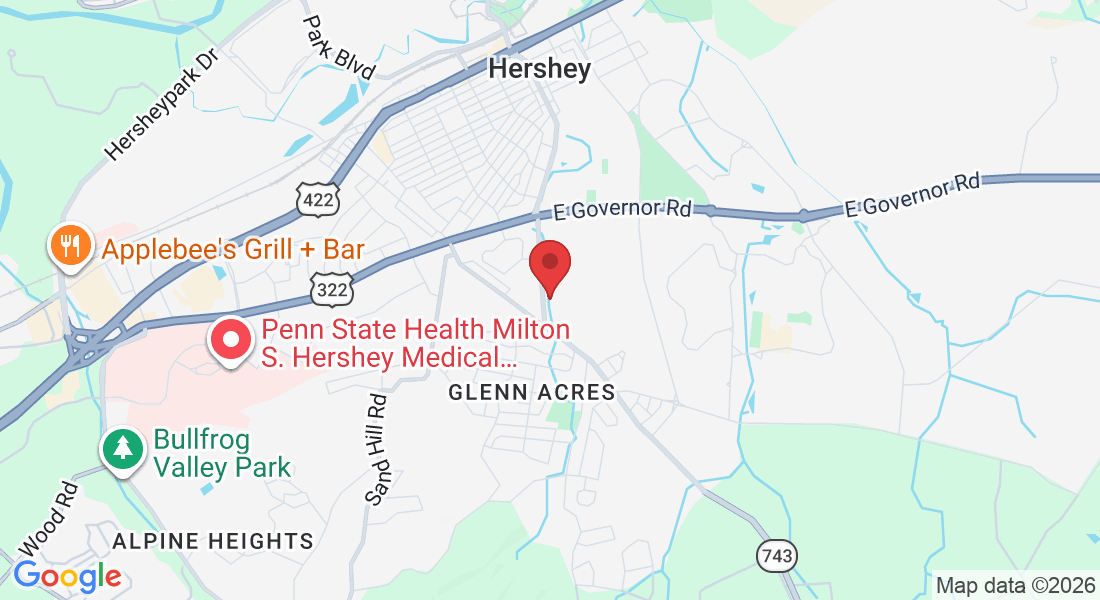
1249 Cocoa Avenue, Suite 190
Hershey, PA 17033
Phone: (717) 882-5888
OFFICE HOURS
By Appointment Only. Call for Availability
GET IN TOUCH
© Copyright 2023. Three Angels Family Practice & Wellness Center | Sitemap | Accessibility
Powered by Cima Growth Solutions
LOCATION
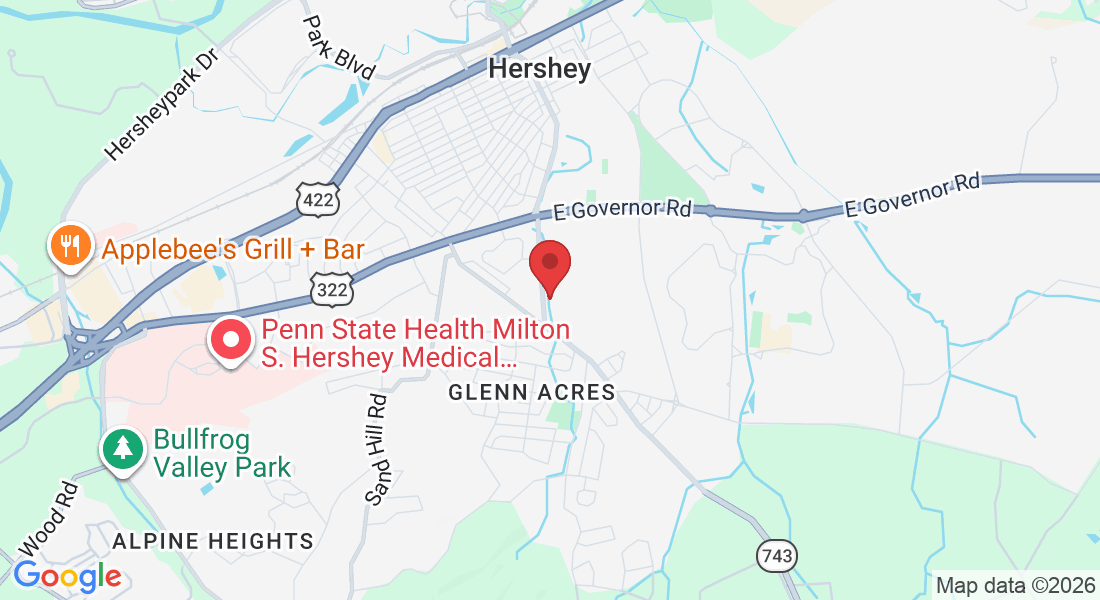
1249 Cocoa Avenue, Suite 190
Hershey, PA 17033
Phone: (717) 882-5888
OFFICE HOURS
By Appointment Only
Call (717) 882-5888
GET IN TOUCH
© Copyright 2023. Three Angels Family Practice & Wellness Center | Sitemap | Accessibility
Powered by Cima Growth Solutions