BLOGS
BLOGS
Lyme Disease in Central PA: Protect Your Family This Season
Lyme Disease in Central PA: Protect Your Family This Season
If you live in or around Hershey, you already know that spring means hiking at Swatara State Park, weekend yards full of kids, and dogs rolling through tall grass. What you may not know is that this same season puts Central Pennsylvania families at the heart of the country's worst Lyme disease belt — and the numbers are getting harder to ignore.
May is Lyme Disease Awareness Month, and the timing is no accident. According to the Pennsylvania Department of Health's 2026 Health Alert, 16,624 Lyme disease cases were reported in Pennsylvania in 2024 — an incidence of 128.3 cases per 100,000 people — with 53% of those cases occurring between May and August. That means right now, as the nymphal ticks emerge and the outdoor season kicks into full gear, is the highest-risk window of the year.
The good news: Lyme disease caught early is very treatable. The challenge is knowing what to look for, how to prevent exposure, and when to pick up the phone and call your doctor. This post walks you through all three.
What Is Lyme Disease?
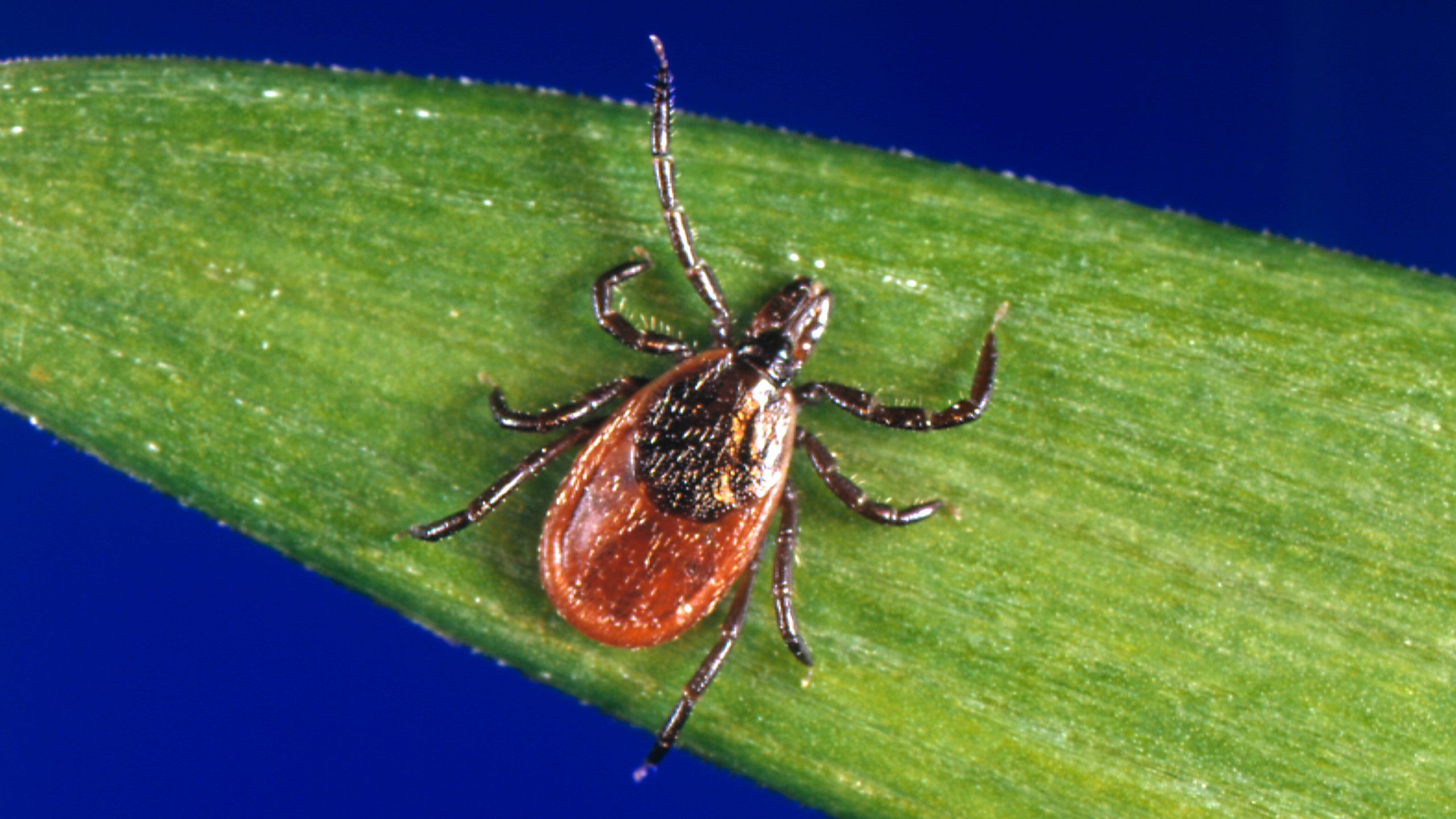
Lyme disease is a bacterial infection caused by Borrelia burgdorferi. It is spread to people through the bite of an infected blacklegged tick — also called a deer tick (Ixodes scapularis). These ticks are tiny, especially in their nymphal (juvenile) stage, when they are no bigger than a poppy seed. That small size makes them easy to miss during a routine tick check.
One critical detail: according to UPMC in Central Pennsylvania, a tick generally needs to be attached to your skin for 36 to 48 hours before it can transmit the Lyme-causing bacteria. That means prompt tick removal — not panic — is the right response to a bite. More on removal below.
Lyme disease is the most commonly reported vector-borne illness in the United States. The CDC estimates that approximately 476,000 Americans are diagnosed and treated for it every year. It is not a rare disease — it is a very common one in our region, and it deserves your attention.
Why Pennsylvania — and Central PA — Is Ground Zero
Pennsylvania is not just a high-Lyme state. It is the highest-burden state in the country. The Pennsylvania Medical Society notes that the CDC has designated Pennsylvania a "high incidence" state, meaning it has averaged at least 10 confirmed cases per 100,000 people for three or more consecutive years. In practice, the actual burden is far higher — state health officials estimate real case counts may be up to 10 times higher than what gets officially reported.
The PA Department of Environmental Protection's statewide tick surveillance found that 29.2% of nymphal blacklegged ticks collected across all 67 Pennsylvania counties carried B. burgdorferi. Adult ticks fare even worse — roughly one in two may be infected. Dauphin County, which includes Hershey, Hummelstown, and Harrisburg, sits squarely in this endemic zone.
Here is something that surprises many patients: you do not have to hike deep in the woods to encounter an infected tick. Data from the Pennsylvania Tick Research Lab at East Stroudsburg University shows that 54% of tick exposures were reported from backyards — people playing outside, doing yard work, or letting their pets run. Residents of Palmyra, Middletown, Campbelltown, and Mechanicsburg face the same backyard risk as those who spend weekends on the trail.
Know the Warning Signs
Symptoms of Lyme disease can appear anywhere from 3 to 30 days after a tick bite. The earlier you recognize them, the simpler the treatment.
Early signs (3–30 days after bite):
- Erythema migrans (EM) rash — the most recognizable sign, present in about 70–80% of people with Lyme. It is an expanding red oval or circular rash. The classic "bull's-eye" pattern with a clear center is one version; more commonly it appears as a solid pink-red oval that grows over days. The rash is usually not itchy or painful.
- Fever and chills
- Fatigue that feels out of proportion to your activity level
- Headache
- Muscle aches and joint pain
- Swollen lymph nodes
Important: per the Infectious Diseases Society of America (IDSA), the EM rash — when it appears in a patient with known tick exposure in an endemic area like Central Pennsylvania — is enough for a clinical diagnosis. Lab testing is not always needed at this early stage.
Signs of untreated or later-stage Lyme disease can include:
- Facial drooping or paralysis on one or both sides (a form of facial palsy)
- Severe headaches or neck stiffness
- Heart palpitations or irregular heartbeat (Lyme carditis)
- Multiple spreading rashes
- Shooting pains, numbness, or tingling in hands or feet
- Arthritis — especially painful, swollen joints, most often the knees
Approximately 60% of patients who go untreated may develop bouts of arthritis with significant joint pain and swelling. Up to 5% may develop chronic neurological complaints months to years after infection. These outcomes are preventable with early care.
Protecting Yourself and Your Family
The 2020 IDSA/AAN/ACR clinical practice guidelines for Lyme disease — endorsed by the American Academy of Family Physicians and reaffirmed in 2023 — are clear: personal protective measures are the first and most important line of defense. Here is what those guidelines, combined with CDC and PA Department of Health recommendations, advise:
Before you go outside:
- Apply an EPA-approved repellent to exposed skin. Look for DEET (≥20%), picaridin, IR3535, or oil of lemon eucalyptus. Follow label instructions carefully, especially for children.
- Treat clothing, boots, and gear with products containing 0.5% permethrin. Permethrin is applied to fabric, not skin, and stays effective through several washings.
- Wear light-colored clothing — ticks are easier to spot. Tuck your pants into your socks and your shirt into your pants to keep ticks on the outside of your clothing.
While outdoors:
- Walk in the center of trails. Avoid tall grass, leaf litter, and brushy edges where ticks wait to latch onto a passing host.
- Keep pets on leash and check them for ticks regularly. Ticks hitch rides on pets and can transfer to family members indoors.
When you come back inside:
- Shower within two hours of coming indoors. Research shows this reduces your risk of Lyme disease and is a good opportunity to do a full tick check.
- Do a head-to-toe tick check — pay special attention to behind the knees, the groin, armpits, scalp, behind the ears, and the belly button.
- Tumble dry clothes on high heat for 10 minutes to kill any ticks that may be on your clothing.
What to Do If You Find a Tick
Finding a tick does not mean you have Lyme disease. But it does mean acting quickly and correctly.
How to remove a tick properly:
- Use fine-tipped tweezers. Grasp the tick as close to your skin's surface as possible.
- Pull upward with steady, even pressure. Do not twist or jerk — this can cause mouthparts to break off in the skin.
- Clean the bite area with rubbing alcohol or soap and water.
- Do not use petroleum jelly, a hot match, nail polish, or other home remedies. These methods do not work and may increase risk.
After removal, note the date and monitor yourself or your child for any symptoms over the following 30 days. If you are unsure how long the tick was attached or if it appeared engorged (meaning it had been feeding for a while), contact your doctor. In Pennsylvania, because infected ticks are found in every county, the question of whether you are in a Lyme-endemic area is always answered "yes."
When to See Your Doctor
Call your doctor — or come in to see Dr. Danette J. Joseph, MD — if any of the following apply after a tick bite or potential tick exposure:
- You develop an expanding rash at or near the bite site, or anywhere on your body
- You have fever, fatigue, headache, or flu-like symptoms within 30 days of a bite
- You notice facial drooping, joint swelling, or heart palpitations
- You are not sure how long the tick was attached
- The tick was found on a child
- You are pregnant, as there are specific treatment considerations during pregnancy
According to the CDC, early diagnosis and proper antibiotic treatment of Lyme disease is important and can help prevent the more serious forms of the disease. The good news: when treated appropriately in the early stages, most people recover rapidly and completely. The window for that easiest recovery opens the moment you walk into your doctor's office — not later.
Do not wait to "see if it gets better on its own." If you saw a rash that came and went, or you suspect a bite you missed, that history still matters. Tell your doctor.
How Three Angels Family Practice Approaches Tick Season
At Three Angels Family Practice & Wellness Center in Hershey, Dr. Joseph brings a board-certified family medicine perspective to tick-season care. That means evaluating the whole picture: your outdoor activities, your exposure history, your symptoms, and — when appropriate — the right diagnostic tests.
Dr. Joseph understands that families across Hershey, Palmyra, Hummelstown, Harrisburg, Campbelltown, and Middletown are outdoors throughout spring and summer — gardens, youth sports, trail walks, and more. The practice does not just manage illness reactively; the goal is to help patients understand their risks before a bite happens and respond appropriately if one does.
If you come in after a tick bite, Dr. Joseph will assess the situation based on current clinical guidelines — including the IDSA/AAN/ACR 2020 recommendations endorsed by the American Academy of Family Physicians. She will consider the likely attachment time, your symptoms, and your overall health before recommending next steps. That might mean watchful waiting with a clear set of symptoms to watch for. It might mean a short course of antibiotics. Every situation is different, and you will get the individual attention that a high-volume urgent care visit often cannot provide.
The practice also welcomes annual physicals and well-visits as a great time to talk through your family's outdoor habits and update your tick-prevention plan for the season — including for the kids heading to summer camp or spending time in local parks.
Talk with Dr. Joseph
If you have questions about tick exposure, Lyme disease prevention, or any recent tick bite, Dr. Danette J. Joseph, MD — our board-certified family medicine physician at Three Angels Family Practice & Wellness Center in Hershey — is welcoming new patients. We also serve families in Palmyra, Hummelstown, Middletown, Campbelltown, Harrisburg, and Mechanicsburg.
Request an appointment online or call (717) 298-1268.
Medical disclaimer: This article is for general educational purposes and does not constitute medical advice, diagnosis, or treatment. Always consult a qualified healthcare provider with questions about a medical condition or before starting, stopping, or changing any treatment. Reading this article does not create a physician-patient relationship with Dr. Danette J. Joseph or Three Angels Family Practice & Wellness Center.

Lyme Disease in Central PA: Protect Your Family This Season
Lyme Disease in Central PA: Protect Your Family This Season
If you live in or around Hershey, you already know that spring means hiking at Swatara State Park, weekend yards full of kids, and dogs rolling through tall grass. What you may not know is that this same season puts Central Pennsylvania families at the heart of the country's worst Lyme disease belt — and the numbers are getting harder to ignore.
May is Lyme Disease Awareness Month, and the timing is no accident. According to the Pennsylvania Department of Health's 2026 Health Alert, 16,624 Lyme disease cases were reported in Pennsylvania in 2024 — an incidence of 128.3 cases per 100,000 people — with 53% of those cases occurring between May and August. That means right now, as the nymphal ticks emerge and the outdoor season kicks into full gear, is the highest-risk window of the year.
The good news: Lyme disease caught early is very treatable. The challenge is knowing what to look for, how to prevent exposure, and when to pick up the phone and call your doctor. This post walks you through all three.
What Is Lyme Disease?
Lyme disease is a bacterial infection caused by Borrelia burgdorferi. It is spread to people through the bite of an infected blacklegged tick — also called a deer tick (Ixodes scapularis). These ticks are tiny, especially in their nymphal (juvenile) stage, when they are no bigger than a poppy seed. That small size makes them easy to miss during a routine tick check.
One critical detail: according to UPMC in Central Pennsylvania, a tick generally needs to be attached to your skin for 36 to 48 hours before it can transmit the Lyme-causing bacteria. That means prompt tick removal — not panic — is the right response to a bite. More on removal below.
Lyme disease is the most commonly reported vector-borne illness in the United States. The CDC estimates that approximately 476,000 Americans are diagnosed and treated for it every year. It is not a rare disease — it is a very common one in our region, and it deserves your attention.
Why Pennsylvania — and Central PA — Is Ground Zero
Pennsylvania is not just a high-Lyme state. It is the highest-burden state in the country. The Pennsylvania Medical Society notes that the CDC has designated Pennsylvania a "high incidence" state, meaning it has averaged at least 10 confirmed cases per 100,000 people for three or more consecutive years. In practice, the actual burden is far higher — state health officials estimate real case counts may be up to 10 times higher than what gets officially reported.
The PA Department of Environmental Protection's statewide tick surveillance found that 29.2% of nymphal blacklegged ticks collected across all 67 Pennsylvania counties carried B. burgdorferi. Adult ticks fare even worse — roughly one in two may be infected. Dauphin County, which includes Hershey, Hummelstown, and Harrisburg, sits squarely in this endemic zone.
Here is something that surprises many patients: you do not have to hike deep in the woods to encounter an infected tick. Data from the Pennsylvania Tick Research Lab at East Stroudsburg University shows that 54% of tick exposures were reported from backyards — people playing outside, doing yard work, or letting their pets run. Residents of Palmyra, Middletown, Campbelltown, and Mechanicsburg face the same backyard risk as those who spend weekends on the trail.
Know the Warning Signs
Symptoms of Lyme disease can appear anywhere from 3 to 30 days after a tick bite. The earlier you recognize them, the simpler the treatment.
Early signs (3–30 days after bite):
- Erythema migrans (EM) rash — the most recognizable sign, present in about 70–80% of people with Lyme. It is an expanding red oval or circular rash. The classic "bull's-eye" pattern with a clear center is one version; more commonly it appears as a solid pink-red oval that grows over days. The rash is usually not itchy or painful.
- Fever and chills
- Fatigue that feels out of proportion to your activity level
- Headache
- Muscle aches and joint pain
- Swollen lymph nodes
Important: per the Infectious Diseases Society of America (IDSA), the EM rash — when it appears in a patient with known tick exposure in an endemic area like Central Pennsylvania — is enough for a clinical diagnosis. Lab testing is not always needed at this early stage.
Signs of untreated or later-stage Lyme disease can include:
- Facial drooping or paralysis on one or both sides (a form of facial palsy)
- Severe headaches or neck stiffness
- Heart palpitations or irregular heartbeat (Lyme carditis)
- Multiple spreading rashes
- Shooting pains, numbness, or tingling in hands or feet
- Arthritis — especially painful, swollen joints, most often the knees
Approximately 60% of patients who go untreated may develop bouts of arthritis with significant joint pain and swelling. Up to 5% may develop chronic neurological complaints months to years after infection. These outcomes are preventable with early care.
Protecting Yourself and Your Family
The 2020 IDSA/AAN/ACR clinical practice guidelines for Lyme disease — endorsed by the American Academy of Family Physicians and reaffirmed in 2023 — are clear: personal protective measures are the first and most important line of defense. Here is what those guidelines, combined with CDC and PA Department of Health recommendations, advise:
Before you go outside:
- Apply an EPA-approved repellent to exposed skin. Look for DEET (≥20%), picaridin, IR3535, or oil of lemon eucalyptus. Follow label instructions carefully, especially for children.
- Treat clothing, boots, and gear with products containing 0.5% permethrin. Permethrin is applied to fabric, not skin, and stays effective through several washings.
- Wear light-colored clothing — ticks are easier to spot. Tuck your pants into your socks and your shirt into your pants to keep ticks on the outside of your clothing.
While outdoors:
- Walk in the center of trails. Avoid tall grass, leaf litter, and brushy edges where ticks wait to latch onto a passing host.
- Keep pets on leash and check them for ticks regularly. Ticks hitch rides on pets and can transfer to family members indoors.
When you come back inside:
- Shower within two hours of coming indoors. Research shows this reduces your risk of Lyme disease and is a good opportunity to do a full tick check.
- Do a head-to-toe tick check — pay special attention to behind the knees, the groin, armpits, scalp, behind the ears, and the belly button.
- Tumble dry clothes on high heat for 10 minutes to kill any ticks that may be on your clothing.
What to Do If You Find a Tick
Finding a tick does not mean you have Lyme disease. But it does mean acting quickly and correctly.
How to remove a tick properly:
- Use fine-tipped tweezers. Grasp the tick as close to your skin's surface as possible.
- Pull upward with steady, even pressure. Do not twist or jerk — this can cause mouthparts to break off in the skin.
- Clean the bite area with rubbing alcohol or soap and water.
- Do not use petroleum jelly, a hot match, nail polish, or other home remedies. These methods do not work and may increase risk.
After removal, note the date and monitor yourself or your child for any symptoms over the following 30 days. If you are unsure how long the tick was attached or if it appeared engorged (meaning it had been feeding for a while), contact your doctor. In Pennsylvania, because infected ticks are found in every county, the question of whether you are in a Lyme-endemic area is always answered "yes."
When to See Your Doctor
Call your doctor — or come in to see Dr. Danette J. Joseph, MD — if any of the following apply after a tick bite or potential tick exposure:
- You develop an expanding rash at or near the bite site, or anywhere on your body
- You have fever, fatigue, headache, or flu-like symptoms within 30 days of a bite
- You notice facial drooping, joint swelling, or heart palpitations
- You are not sure how long the tick was attached
- The tick was found on a child
- You are pregnant, as there are specific treatment considerations during pregnancy
According to the CDC, early diagnosis and proper antibiotic treatment of Lyme disease is important and can help prevent the more serious forms of the disease. The good news: when treated appropriately in the early stages, most people recover rapidly and completely. The window for that easiest recovery opens the moment you walk into your doctor's office — not later.
Do not wait to "see if it gets better on its own." If you saw a rash that came and went, or you suspect a bite you missed, that history still matters. Tell your doctor.
How Three Angels Family Practice Approaches Tick Season
At Three Angels Family Practice & Wellness Center in Hershey, Dr. Joseph brings a board-certified family medicine perspective to tick-season care. That means evaluating the whole picture: your outdoor activities, your exposure history, your symptoms, and — when appropriate — the right diagnostic tests.
Dr. Joseph understands that families across Hershey, Palmyra, Hummelstown, Harrisburg, Campbelltown, and Middletown are outdoors throughout spring and summer — gardens, youth sports, trail walks, and more. The practice does not just manage illness reactively; the goal is to help patients understand their risks before a bite happens and respond appropriately if one does.
If you come in after a tick bite, Dr. Joseph will assess the situation based on current clinical guidelines — including the IDSA/AAN/ACR 2020 recommendations endorsed by the American Academy of Family Physicians. She will consider the likely attachment time, your symptoms, and your overall health before recommending next steps. That might mean watchful waiting with a clear set of symptoms to watch for. It might mean a short course of antibiotics. Every situation is different, and you will get the individual attention that a high-volume urgent care visit often cannot provide.
The practice also welcomes annual physicals and well-visits as a great time to talk through your family's outdoor habits and update your tick-prevention plan for the season — including for the kids heading to summer camp or spending time in local parks.
Talk with Dr. Joseph
If you have questions about tick exposure, Lyme disease prevention, or any recent tick bite, Dr. Danette J. Joseph, MD — our board-certified family medicine physician at Three Angels Family Practice & Wellness Center in Hershey — is welcoming new patients. We also serve families in Palmyra, Hummelstown, Middletown, Campbelltown, Harrisburg, and Mechanicsburg.
Request an appointment online or call (717) 298-1268.
Medical disclaimer: This article is for general educational purposes and does not constitute medical advice, diagnosis, or treatment. Always consult a qualified healthcare provider with questions about a medical condition or before starting, stopping, or changing any treatment. Reading this article does not create a physician-patient relationship with Dr. Danette J. Joseph or Three Angels Family Practice & Wellness Center.
LOCATION
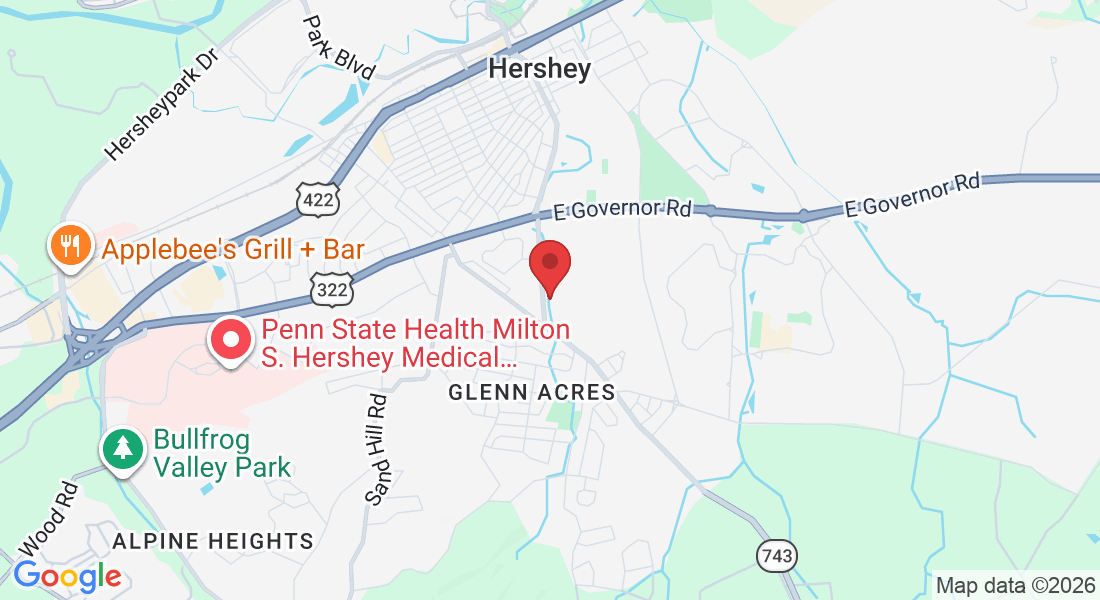
1249 Cocoa Avenue, Suite 190
Hershey, PA 17033
Phone: (717) 882-5888
OFFICE HOURS
By Appointment Only. Call for Availability
GET IN TOUCH
© Copyright 2023. Three Angels Family Practice & Wellness Center | Sitemap | Accessibility
Powered by Cima Growth Solutions
LOCATION
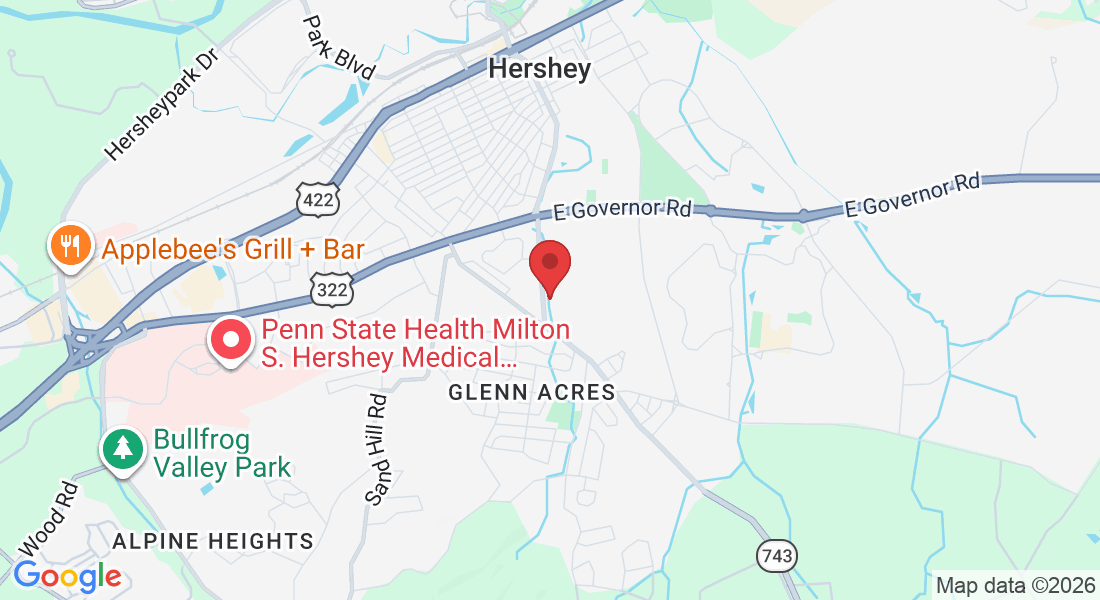
1249 Cocoa Avenue, Suite 190
Hershey, PA 17033
Phone: (717) 882-5888
OFFICE HOURS
By Appointment Only
Call (717) 882-5888
GET IN TOUCH
© Copyright 2023. Three Angels Family Practice & Wellness Center | Sitemap | Accessibility
Powered by Cima Growth Solutions