
BLOGS
BLOGS

Lyme Disease in Central PA: What Every Family Should Know
July is peak tick season in Central Pennsylvania — and if you've been spending time outdoors in Hershey, Hummelstown, Harrisburg, or any of the surrounding communities, you've likely been in tick territory without even knowing it. The good news: understanding the risks and knowing what to look for can make a real difference.
Pennsylvania isn't just a high-risk state for Lyme disease. It consistently leads the nation. Knowing the signs, taking a few simple preventive steps, and acting quickly if you're bitten are the three things that matter most for you and your family this summer.
What Is Lyme Disease?
Lyme disease is a bacterial infection caused by Borrelia burgdorferi, a spiral-shaped bacterium spread through the bite of infected blacklegged ticks — also called deer ticks. In Pennsylvania, these ticks are found in every one of the state's 67 counties, from rural wooded areas to suburban backyards and city parks.
It's the most common vector-borne disease in the United States. The Centers for Disease Control and Prevention (CDC) reported over 89,000 cases nationally in 2023, and estimates suggest that as many as 476,000 Americans may be diagnosed and treated for Lyme disease each year when accounting for underreporting.
Pennsylvania's share of that burden is significant. The state has accounted for roughly 29.2% of all reported U.S. Lyme disease cases — more than any other state — and held the highest incidence in the nation in 11 of the past 12 years. In the most recent data, Pennsylvania's Department of Health recorded 18,747 lab-confirmed Lyme cases in a single year. The true number is likely much higher.
Why Central PA Is Especially High-Risk Right Now
Summer in Central Pennsylvania means hiking the Lebanon Valley Rail Trail, backyard cookouts in Campbelltown, and long afternoons at local parks in Elizabethtown and Palmyra. It also means active ticks — and the data on timing is striking.
Pennsylvania's Department of Health reports that 61.2% of Lyme disease cases occur between May and August, and that half of all Lyme cases in the state have their symptom onset in June and July. That's right now.
The reason is the life stage of the tick. Nymphal blacklegged ticks — about the size of a poppy seed — are active from late May through late July. According to Pennsylvania DEP surveillance studies, nymphal ticks have approximately a 1 in 4 chance of carrying Borrelia burgdorferi. Because they're so small, they often go unnoticed, giving them time to stay attached long enough to transmit disease.
One more thing that surprises many people: the most common place to pick up a tick in Pennsylvania is your own backyard. Research from the Pennsylvania Tick Research Lab at East Stroudsburg University found that 54% of tick exposures happen at home — usually while gardening, playing outside, or doing yard work. The Shapiro Administration even highlighted tick bite prevention at Memorial Lake State Park right here in Dauphin County, underscoring just how local this risk truly is.
Signs and Symptoms to Watch For
Lyme disease progresses through stages if it goes untreated. Recognizing the early signs gives you the best chance of a full recovery.
Stage 1 — Early Localized (days 1 to 28 after the bite):
The most recognizable sign is a skin rash called erythema migrans (EM). It appears at the bite site, usually within 7 to 14 days, and gradually expands. The classic "bullseye" pattern — a red ring around a clear center — is well-known, but research published in peer-reviewed medical literature shows that roughly two-thirds of EM rashes are simply an expanding red patch without a bullseye appearance. Importantly, not everyone develops a rash at all. Other common early symptoms include:
- Fatigue
- Fever and chills
- Headache
- Muscle and joint aches
- Swollen lymph nodes
These symptoms are easy to dismiss as a summer cold or general fatigue — which is exactly why Lyme disease is often missed in the early stage when it's easiest to treat.
Stage 2 — Early Disseminated (weeks to three months):
If Lyme isn't caught and treated early, the bacteria can spread through the bloodstream to other parts of the body. According to StatPearls, published by the National Institutes of Health, about 20% of untreated patients develop early disseminated disease. Symptoms at this stage can include:
- Multiple EM-like rashes appearing on other parts of the body
- Facial palsy — drooping or weakness on one or both sides of the face
- Meningitis-like symptoms: severe headache, neck stiffness, sensitivity to light
- Numbness, tingling, or weakness in the arms or legs
- Heart palpitations or irregular heartbeat (a condition called Lyme carditis)
Stage 3 — Late Disseminated (months to years later):
Left untreated for months or years, Lyme disease can cause:
- Arthritis, most often in the knee and other large joints
- Brain fog, memory difficulties, and trouble concentrating
- Nerve pain, tingling, or numbness in the hands and feet
- Mood changes, anxiety, and sleep disturbances
The encouraging note from the research: studies published in peer-reviewed journals show that more than 80% of patients treated in the early stages of Lyme disease have complete resolution of symptoms with appropriate antibiotic therapy. Early detection is the key.
How to Protect Your Family This Tick Season
Prevention doesn't require avoiding the outdoors. It requires a few consistent habits before, during, and after you go outside.
Before you go out:
- Treat your clothing with permethrin. The CDC recommends treating boots, socks, pants, and outdoor gear with products containing 0.5% permethrin. Permethrin doesn't just repel ticks — it kills them on contact and remains protective through several washings. Research from the University of Rhode Island and CDC found that people wearing permethrin-treated shoes and socks were 73.6 times less likely to be bitten by a tick compared to those wearing untreated footwear. You can buy pre-treated clothing or treat your own garments with a spray product.
- Use EPA-registered repellent on exposed skin. The CDC recommends products containing DEET, picaridin, or oil of lemon eucalyptus (note: products with oil of lemon eucalyptus are not recommended for children under age 3). Apply to all exposed skin, but not under clothing.
- Dress smart. Wear light-colored clothing — it's much easier to spot a tick on a white or tan shirt than a dark one. Tuck pants into socks, and wear long sleeves when you're walking through high-grass or wooded areas.
While you're outside:
- Walk in the center of trails and avoid brushing against tall grass or shrubs at the edges.
- Keep children and pets away from leaf litter and dense brush when possible.
After you come inside:
- Do a full-body tick check. Check your whole family carefully, including children and pets. Pay special attention to the scalp, behind the ears, underarms, the belly button, between the legs, and behind the knees — ticks often crawl to warm, hidden areas before attaching.
- Shower within two hours. This helps wash off unattached ticks before they have a chance to bite.
- Toss outdoor clothes in the dryer on high heat for 10 minutes. The CDC confirms this is sufficient to kill ticks on dry clothing. Cold or medium-temperature water in the wash will not kill ticks reliably.
In your yard:
- Remove leaf litter and clear tall grasses and brush close to your home.
- Create a 3-foot-wide barrier of wood chips or gravel between your lawn and wooded areas — this limits tick migration into the areas where your family plays.
- Mow your lawn regularly and stack firewood neatly in a dry area away from the house.
What to Do If You Find a Tick
Finding an attached tick is alarming, but how quickly and correctly you remove it matters most. Borrelia burgdorferi generally requires the tick to be attached for 36 to 48 hours to transmit Lyme disease — so prompt removal is your most powerful tool after a potential bite.
Here's the correct removal method, according to the CDC and the Johns Hopkins Lyme Disease Research Center:
- Use clean, fine-tipped tweezers. Grasp the tick as close to the skin's surface as possible.
- Pull upward with steady, even pressure. Don't twist or jerk — this can cause mouthparts to break off and remain in the skin.
- After removing the tick, clean the bite area thoroughly with rubbing alcohol, soap and water, or hand sanitizer.
- Dispose of the tick by wrapping it tightly in tape, placing it in a sealed container, or flushing it down the toilet.
Avoid the folk remedies — petroleum jelly, nail polish, or heat applied to the tick. These can agitate the tick and increase your risk. Do not crush a tick with your fingers.
After removal, monitor the bite site and your overall health for two to four weeks. If you develop a rash — even one that doesn't look like a classic bullseye — fever, fatigue, or flu-like symptoms, contact your healthcare provider right away. Be ready to tell them when the bite likely occurred, how long the tick may have been attached, and where you were when you were exposed.
When to See Your Doctor
You don't have to wait until you're clearly sick to have a conversation about Lyme disease. It's worth reaching out to your primary care provider if you:
- Found an attached tick and aren't sure how long it was there
- Develop any rash, fever, or flu-like illness within several weeks of a tick bite or outdoor exposure
- Have persistent fatigue, joint pain, or neurological symptoms you can't explain
- Spend regular time outdoors in high-risk areas — wooded trails, state parks, or even your own yard in Dauphin, Lebanon, or Cumberland County
Lyme disease is primarily a clinical diagnosis in its early stage. An important thing to understand: a negative blood test in the first few weeks doesn't rule out infection. Antibodies take time to develop, so early-stage serologic tests have limited sensitivity. An experienced provider will evaluate your symptoms, your exposure history, and the timing together to make the right call.
How Three Angels Family Practice Approaches Tick-Borne Disease
At Three Angels Family Practice & Wellness Center in Hershey, Dr. Danette J. Joseph, MD, takes an integrative, whole-person approach to preventive care. That means she helps patients understand their environment, their seasonal health risks, and what they can do to protect themselves and their families — not just treat problems after they've taken hold.
Tick season in Central Pennsylvania is one of those realities that every patient — whether you're in Hershey, Palmyra, Campbelltown, or Hummelstown — needs to take seriously from May through August. Whether you're managing a chronic condition, raising children who play outside every day, or someone who simply loves Pennsylvania's outdoors, this is a conversation worth having at your next annual visit or preventive care appointment.
Dr. Joseph welcomes questions about Lyme disease prevention, tick bite evaluation, and any symptoms you're concerned about. The earlier a concern is addressed, the better the outcome tends to be.
Talk with Dr. Joseph
If you'd like to discuss tick bite prevention or Lyme disease with Dr. Danette J. Joseph, MD, our board-certified family medicine physician at Three Angels Family Practice & Wellness Center in Hershey, we're welcoming new patients. We also serve Palmyra, Hummelstown, Harrisburg, and Elizabethtown.
Request an appointment online or call (717) 298-1268.
Medical disclaimer: This article is for general educational purposes and does not constitute medical advice, diagnosis, or treatment. Always consult a qualified healthcare provider with questions about a medical condition or before starting, stopping, or changing any treatment. Reading this article does not create a physician-patient relationship with Dr. Danette J. Joseph or Three Angels Family Practice & Wellness Center.

Lyme Disease in Central PA: What Every Family Should Know
July is peak tick season in Central Pennsylvania — and if you've been spending time outdoors in Hershey, Hummelstown, Harrisburg, or any of the surrounding communities, you've likely been in tick territory without even knowing it. The good news: understanding the risks and knowing what to look for can make a real difference.
Pennsylvania isn't just a high-risk state for Lyme disease. It consistently leads the nation. Knowing the signs, taking a few simple preventive steps, and acting quickly if you're bitten are the three things that matter most for you and your family this summer.
What Is Lyme Disease?
Lyme disease is a bacterial infection caused by Borrelia burgdorferi, a spiral-shaped bacterium spread through the bite of infected blacklegged ticks — also called deer ticks. In Pennsylvania, these ticks are found in every one of the state's 67 counties, from rural wooded areas to suburban backyards and city parks.
It's the most common vector-borne disease in the United States. The Centers for Disease Control and Prevention (CDC) reported over 89,000 cases nationally in 2023, and estimates suggest that as many as 476,000 Americans may be diagnosed and treated for Lyme disease each year when accounting for underreporting.
Pennsylvania's share of that burden is significant. The state has accounted for roughly 29.2% of all reported U.S. Lyme disease cases — more than any other state — and held the highest incidence in the nation in 11 of the past 12 years. In the most recent data, Pennsylvania's Department of Health recorded 18,747 lab-confirmed Lyme cases in a single year. The true number is likely much higher.
Why Central PA Is Especially High-Risk Right Now
Summer in Central Pennsylvania means hiking the Lebanon Valley Rail Trail, backyard cookouts in Campbelltown, and long afternoons at local parks in Elizabethtown and Palmyra. It also means active ticks — and the data on timing is striking.
Pennsylvania's Department of Health reports that 61.2% of Lyme disease cases occur between May and August, and that half of all Lyme cases in the state have their symptom onset in June and July. That's right now.
The reason is the life stage of the tick. Nymphal blacklegged ticks — about the size of a poppy seed — are active from late May through late July. According to Pennsylvania DEP surveillance studies, nymphal ticks have approximately a 1 in 4 chance of carrying Borrelia burgdorferi. Because they're so small, they often go unnoticed, giving them time to stay attached long enough to transmit disease.
One more thing that surprises many people: the most common place to pick up a tick in Pennsylvania is your own backyard. Research from the Pennsylvania Tick Research Lab at East Stroudsburg University found that 54% of tick exposures happen at home — usually while gardening, playing outside, or doing yard work. The Shapiro Administration even highlighted tick bite prevention at Memorial Lake State Park right here in Dauphin County, underscoring just how local this risk truly is.
Signs and Symptoms to Watch For
Lyme disease progresses through stages if it goes untreated. Recognizing the early signs gives you the best chance of a full recovery.
Stage 1 — Early Localized (days 1 to 28 after the bite):
The most recognizable sign is a skin rash called erythema migrans (EM). It appears at the bite site, usually within 7 to 14 days, and gradually expands. The classic "bullseye" pattern — a red ring around a clear center — is well-known, but research published in peer-reviewed medical literature shows that roughly two-thirds of EM rashes are simply an expanding red patch without a bullseye appearance. Importantly, not everyone develops a rash at all. Other common early symptoms include:
- Fatigue
- Fever and chills
- Headache
- Muscle and joint aches
- Swollen lymph nodes
These symptoms are easy to dismiss as a summer cold or general fatigue — which is exactly why Lyme disease is often missed in the early stage when it's easiest to treat.
Stage 2 — Early Disseminated (weeks to three months):
If Lyme isn't caught and treated early, the bacteria can spread through the bloodstream to other parts of the body. According to StatPearls, published by the National Institutes of Health, about 20% of untreated patients develop early disseminated disease. Symptoms at this stage can include:
- Multiple EM-like rashes appearing on other parts of the body
- Facial palsy — drooping or weakness on one or both sides of the face
- Meningitis-like symptoms: severe headache, neck stiffness, sensitivity to light
- Numbness, tingling, or weakness in the arms or legs
- Heart palpitations or irregular heartbeat (a condition called Lyme carditis)
Stage 3 — Late Disseminated (months to years later):
Left untreated for months or years, Lyme disease can cause:
- Arthritis, most often in the knee and other large joints
- Brain fog, memory difficulties, and trouble concentrating
- Nerve pain, tingling, or numbness in the hands and feet
- Mood changes, anxiety, and sleep disturbances
The encouraging note from the research: studies published in peer-reviewed journals show that more than 80% of patients treated in the early stages of Lyme disease have complete resolution of symptoms with appropriate antibiotic therapy. Early detection is the key.
How to Protect Your Family This Tick Season
Prevention doesn't require avoiding the outdoors. It requires a few consistent habits before, during, and after you go outside.
Before you go out:
- Treat your clothing with permethrin. The CDC recommends treating boots, socks, pants, and outdoor gear with products containing 0.5% permethrin. Permethrin doesn't just repel ticks — it kills them on contact and remains protective through several washings. Research from the University of Rhode Island and CDC found that people wearing permethrin-treated shoes and socks were 73.6 times less likely to be bitten by a tick compared to those wearing untreated footwear. You can buy pre-treated clothing or treat your own garments with a spray product.
- Use EPA-registered repellent on exposed skin. The CDC recommends products containing DEET, picaridin, or oil of lemon eucalyptus (note: products with oil of lemon eucalyptus are not recommended for children under age 3). Apply to all exposed skin, but not under clothing.
- Dress smart. Wear light-colored clothing — it's much easier to spot a tick on a white or tan shirt than a dark one. Tuck pants into socks, and wear long sleeves when you're walking through high-grass or wooded areas.
While you're outside:
- Walk in the center of trails and avoid brushing against tall grass or shrubs at the edges.
- Keep children and pets away from leaf litter and dense brush when possible.
After you come inside:
- Do a full-body tick check. Check your whole family carefully, including children and pets. Pay special attention to the scalp, behind the ears, underarms, the belly button, between the legs, and behind the knees — ticks often crawl to warm, hidden areas before attaching.
- Shower within two hours. This helps wash off unattached ticks before they have a chance to bite.
- Toss outdoor clothes in the dryer on high heat for 10 minutes. The CDC confirms this is sufficient to kill ticks on dry clothing. Cold or medium-temperature water in the wash will not kill ticks reliably.
In your yard:
- Remove leaf litter and clear tall grasses and brush close to your home.
- Create a 3-foot-wide barrier of wood chips or gravel between your lawn and wooded areas — this limits tick migration into the areas where your family plays.
- Mow your lawn regularly and stack firewood neatly in a dry area away from the house.
What to Do If You Find a Tick
Finding an attached tick is alarming, but how quickly and correctly you remove it matters most. Borrelia burgdorferi generally requires the tick to be attached for 36 to 48 hours to transmit Lyme disease — so prompt removal is your most powerful tool after a potential bite.
Here's the correct removal method, according to the CDC and the Johns Hopkins Lyme Disease Research Center:
- Use clean, fine-tipped tweezers. Grasp the tick as close to the skin's surface as possible.
- Pull upward with steady, even pressure. Don't twist or jerk — this can cause mouthparts to break off and remain in the skin.
- After removing the tick, clean the bite area thoroughly with rubbing alcohol, soap and water, or hand sanitizer.
- Dispose of the tick by wrapping it tightly in tape, placing it in a sealed container, or flushing it down the toilet.
Avoid the folk remedies — petroleum jelly, nail polish, or heat applied to the tick. These can agitate the tick and increase your risk. Do not crush a tick with your fingers.
After removal, monitor the bite site and your overall health for two to four weeks. If you develop a rash — even one that doesn't look like a classic bullseye — fever, fatigue, or flu-like symptoms, contact your healthcare provider right away. Be ready to tell them when the bite likely occurred, how long the tick may have been attached, and where you were when you were exposed.
When to See Your Doctor
You don't have to wait until you're clearly sick to have a conversation about Lyme disease. It's worth reaching out to your primary care provider if you:
- Found an attached tick and aren't sure how long it was there
- Develop any rash, fever, or flu-like illness within several weeks of a tick bite or outdoor exposure
- Have persistent fatigue, joint pain, or neurological symptoms you can't explain
- Spend regular time outdoors in high-risk areas — wooded trails, state parks, or even your own yard in Dauphin, Lebanon, or Cumberland County
Lyme disease is primarily a clinical diagnosis in its early stage. An important thing to understand: a negative blood test in the first few weeks doesn't rule out infection. Antibodies take time to develop, so early-stage serologic tests have limited sensitivity. An experienced provider will evaluate your symptoms, your exposure history, and the timing together to make the right call.
How Three Angels Family Practice Approaches Tick-Borne Disease
At Three Angels Family Practice & Wellness Center in Hershey, Dr. Danette J. Joseph, MD, takes an integrative, whole-person approach to preventive care. That means she helps patients understand their environment, their seasonal health risks, and what they can do to protect themselves and their families — not just treat problems after they've taken hold.
Tick season in Central Pennsylvania is one of those realities that every patient — whether you're in Hershey, Palmyra, Campbelltown, or Hummelstown — needs to take seriously from May through August. Whether you're managing a chronic condition, raising children who play outside every day, or someone who simply loves Pennsylvania's outdoors, this is a conversation worth having at your next annual visit or preventive care appointment.
Dr. Joseph welcomes questions about Lyme disease prevention, tick bite evaluation, and any symptoms you're concerned about. The earlier a concern is addressed, the better the outcome tends to be.
Talk with Dr. Joseph
If you'd like to discuss tick bite prevention or Lyme disease with Dr. Danette J. Joseph, MD, our board-certified family medicine physician at Three Angels Family Practice & Wellness Center in Hershey, we're welcoming new patients. We also serve Palmyra, Hummelstown, Harrisburg, and Elizabethtown.
Request an appointment online or call (717) 298-1268.
Medical disclaimer: This article is for general educational purposes and does not constitute medical advice, diagnosis, or treatment. Always consult a qualified healthcare provider with questions about a medical condition or before starting, stopping, or changing any treatment. Reading this article does not create a physician-patient relationship with Dr. Danette J. Joseph or Three Angels Family Practice & Wellness Center.
LOCATION
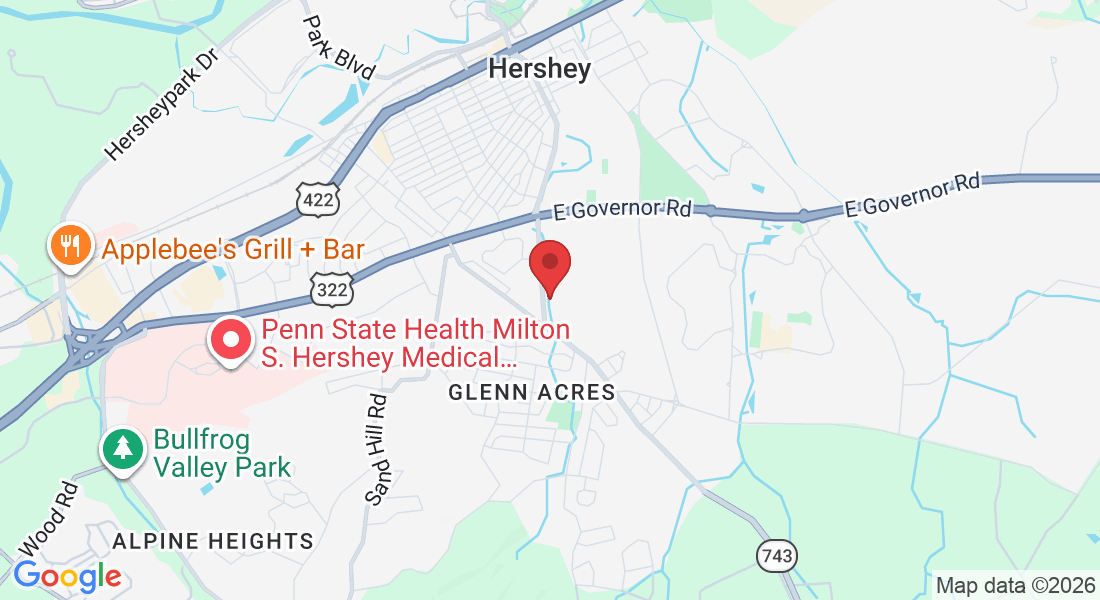
1249 Cocoa Avenue, Suite 190
Hershey, PA 17033
Phone: (717) 882-5888
OFFICE HOURS
By Appointment Only. Call for Availability
GET IN TOUCH
© Copyright 2023. Three Angels Family Practice & Wellness Center | Sitemap | Accessibility
Powered by Cima Growth Solutions
LOCATION
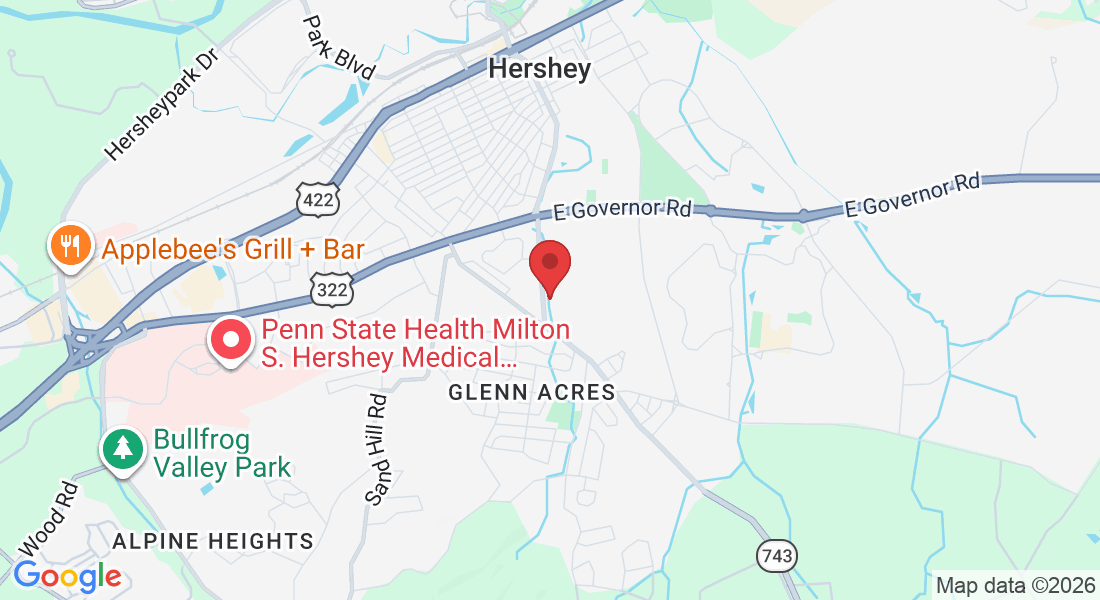
1249 Cocoa Avenue, Suite 190
Hershey, PA 17033
Phone: (717) 882-5888
OFFICE HOURS
By Appointment Only
Call (717) 882-5888
GET IN TOUCH
© Copyright 2023. Three Angels Family Practice & Wellness Center | Sitemap | Accessibility
Powered by Cima Growth Solutions