BLOGS
BLOGS

Is Your Thyroid to Blame? Signs and When to Get Tested
Is Your Thyroid to Blame? Signs of Thyroid Trouble and When to Get Tested
You're tired—more than usual. Your weight crept up even though you haven't changed a thing. You reach for a sweater when everyone else is comfortable. And it's only September.
These are easy symptoms to brush off. We blame aging. We blame busy schedules. We blame the shortening days as fall settles in across Central Pennsylvania. But sometimes there's a more specific explanation hiding in your neck: your thyroid gland.
Thyroid problems are remarkably common, and they have a habit of sneaking in slowly—building for months or even years before anyone connects the dots. Understanding what your thyroid does, and what it looks like when it stops doing its job, can make a real difference in how you feel.
What Your Thyroid Actually Does
Your thyroid is a small, butterfly-shaped gland that sits at the front of your neck, just below your Adam's apple. Small as it is, it reaches into nearly every corner of your body.
The thyroid produces hormones—primarily T4 (thyroxine) and T3 (triiodothyronine)—that regulate your metabolism. Metabolism isn't just about weight; it's the rate at which your heart beats, your body temperature holds steady, your mood stabilizes, your digestion keeps moving, and your energy production keeps pace with your needs.
When your thyroid runs properly, most people never think about it. But when it produces too little hormone (hypothyroidism) or too much hormone (hyperthyroidism), the effects spread body-wide—and they can look a lot like a dozen other conditions.
What the Numbers Show
Thyroid disease is far more widespread than many people realize. According to the National Institute of Diabetes and Digestive and Kidney Diseases (NIDDK), nearly 5 out of 100 Americans ages 12 and older have hypothyroidism—and most cases are mild or show few obvious symptoms.
The American Thyroid Association (ATA) estimates that about 20 million Americans have some form of thyroid disease. And here's the number that should stop you: up to 60% of people with thyroid disease don't know they have it.
Women are particularly affected. The ATA reports that women are 5 to 8 times more likely than men to have thyroid problems, largely because the most common causes—Hashimoto's disease and Graves' disease—are autoimmune conditions that affect women at much higher rates. The risk also rises with age, with thyroid dysfunction becoming more common after 60.
A 2023 study published in the Journal of the Endocrine Society found that hypothyroidism prevalence in the United States has been rising steadily, reaching nearly 10% of the population by 2009–2012 in national survey data—and climbing further in more recent claims data.
Signs Your Thyroid May Be Underactive
Hypothyroidism—when the thyroid doesn't make enough hormone—is by far the more common of the two main thyroid disorders. The most frequent cause in the United States is Hashimoto's disease, an autoimmune condition in which the immune system gradually attacks and inflames the thyroid gland (NIDDK).
The NIDDK lists the most common symptoms of hypothyroidism as:
- Fatigue that doesn't improve with more sleep
- Unexplained weight gain
- Feeling cold all the time, even in warm rooms
- Joint and muscle pain or stiffness
- Dry skin or thinning hair
- Heavy or irregular menstrual periods
- Difficulty getting pregnant
- Slowed heart rate
- Depression
- Constipation
- Brain fog—trouble with memory or concentration
Here is the tricky part: because hypothyroidism develops slowly, you may not notice these symptoms for months or even years, according to the NIDDK. Many people attribute fatigue and weight changes to stress, menopause, or just getting older. And while those explanations are sometimes correct, it's worth ruling out a thyroid problem first.
Left untreated, hypothyroidism can also contribute to high cholesterol—because thyroid hormone plays a role in how your liver clears cholesterol from the blood. The NIDDK notes that if you have high cholesterol, testing for hypothyroidism is worth considering.
Signs Your Thyroid May Be Overactive
Hyperthyroidism—when the thyroid produces too much hormone—tends to have a very different, and often more noticeable, set of symptoms. The most common cause is Graves' disease, another autoimmune condition that accounts for roughly 80% of hyperthyroidism cases in the U.S. and most commonly affects women between the ages of 20 and 40 (NIDDK/ACOG).
Symptoms of an overactive thyroid often include:
- Racing or irregular heartbeat (palpitations)
- Unexplained weight loss despite eating normally
- Anxiety, irritability, or nervousness
- Feeling unusually warm or sweating more than usual
- Trembling hands
- Trouble sleeping
- More frequent bowel movements
- A wide-eyed stare or bulging eyes (specific to Graves' disease)
While hypothyroidism tends to slow everything down, hyperthyroidism speeds things up. If your heart is racing and you're losing weight without trying, those are signals worth bringing to your doctor promptly.
Who Is at Higher Risk?
Some people are more likely to develop thyroid disorders than others. According to the NIDDK, your risk is higher if you:
- Have a family history of thyroid disease
- Have another autoimmune condition, such as type 1 or type 2 diabetes, rheumatoid arthritis, lupus, or celiac disease
- Had thyroid surgery or radioactive iodine treatment in the past
- Received radiation treatment to your neck or chest
- Were pregnant in the last 6 months (postpartum thyroiditis, an inflammation of the thyroid after childbirth, can trigger a temporary—and sometimes permanent—thyroid problem)
- Are a woman over 60
There is also an important overlap worth knowing: thyroid symptoms look nearly identical to perimenopause symptoms. Fatigue, weight changes, mood shifts, irregular periods—they appear on both lists. For women in their 40s and early 50s experiencing these changes, testing thyroid function alongside a hormonal evaluation makes good sense.
How Thyroid Problems Are Diagnosed
The good news is that thyroid problems are identified with a simple blood test. The first-line test is a TSH (thyroid-stimulating hormone) measurement. TSH is produced by the pituitary gland to tell the thyroid how hard to work. When thyroid hormone levels are low, the pituitary sends out more TSH—so a high TSH reading generally points to an underactive thyroid. A low TSH points to an overactive one.
Per AACE and ATA clinical practice guidelines for hypothyroidism in adults, a serum TSH is the single best screening test for primary thyroid dysfunction in most outpatient clinical situations. If the TSH is abnormal, your doctor will typically follow up with a free T4 measurement to clarify the picture.
The guidelines recommend testing for anyone with symptoms suggestive of hypothyroidism. For people without symptoms, a TSH test is generally recommended for women aged 50 to 60 and older, and for anyone with significant risk factors.
One important note: a diagnosis of hypothyroidism cannot be made on symptoms alone. The NIDDK is clear that many of these symptoms—especially fatigue and weight gain—are common and can have many causes. A blood test is the only way to know for certain.
When to See Your Doctor
You don't need to be in crisis to bring this up. If you've been dealing with persistent fatigue, unexplained weight changes, cold intolerance, hair thinning, or mood shifts—especially if they've been going on for months—it's worth a conversation. A TSH test takes minutes and gives you a clear answer.
Reach out sooner if you notice:
- A visible lump or swelling at the front of your neck
- A racing or irregular heartbeat that concerns you
- Difficulty swallowing or a persistent hoarse voice
- Symptoms that came on after pregnancy or a recent illness
- Infertility or irregular periods that aren't explained by something else
These warrant a prompt call rather than waiting for your next annual physical.
How Dr. Joseph Approaches Thyroid Health at Three Angels
At Three Angels Family Practice & Wellness Center in Hershey, Dr. Danette J. Joseph, MD—a board-certified family medicine physician—takes thyroid symptoms seriously from the first conversation. Because the practice combines conventional family medicine with an integrative, whole-body lens, thyroid evaluation often happens alongside a broader look at lifestyle, nutrition, stress, and sleep—all of which can influence how a person feels and how their thyroid functions.
Dr. Joseph doesn't treat labs in isolation. She looks at how you feel, what your numbers show, and what combination of approaches makes sense for your situation. For patients managing chronic conditions like diabetes or autoimmune disorders, thyroid screening may come up as a natural part of routine care.
If you've been feeling off and can't quite put your finger on why, a thyroid check may be a sensible first step—and Dr. Joseph is glad to talk through it with you at your next visit.
Talk with Dr. Joseph
If you'd like to discuss thyroid symptoms or thyroid testing with Dr. Danette J. Joseph, our board-certified family medicine physician at Three Angels Family Practice & Wellness Center in Hershey, we are welcoming new patients. We also serve patients in Hummelstown, Harrisburg, Middletown, and Palmyra.
Request an appointment online or call us at (717) 298-1268.
Medical disclaimer: This article is for general educational purposes and does not constitute medical advice, diagnosis, or treatment. Always consult a qualified healthcare provider with questions about a medical condition or before starting, stopping, or changing any treatment. Reading this article does not create a physician-patient relationship with Dr. Danette J. Joseph or Three Angels Family Practice & Wellness Center.
LOCATION
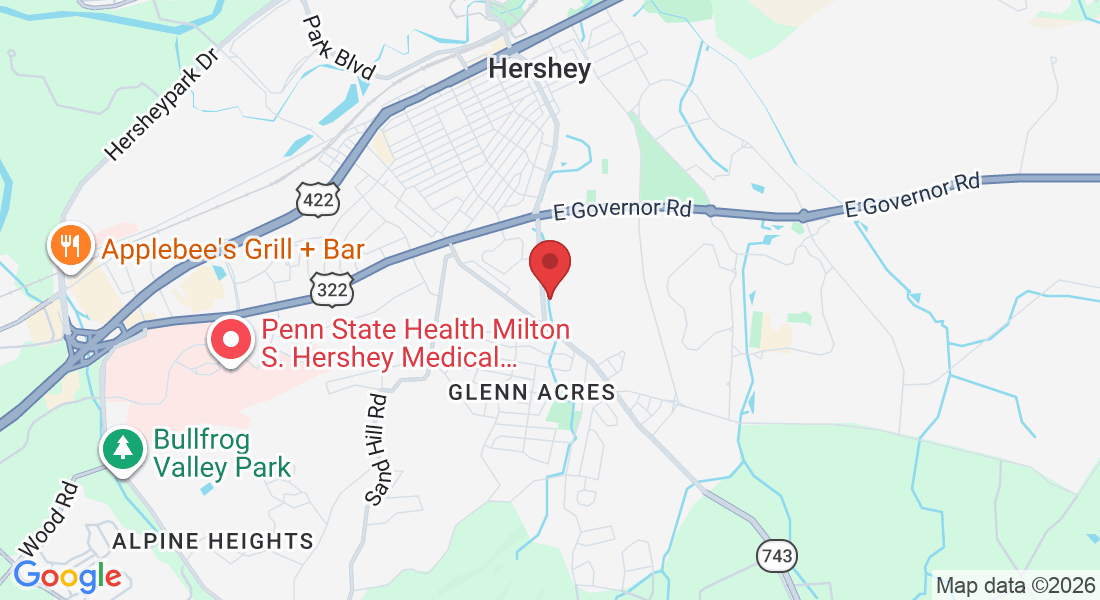
1249 Cocoa Avenue, Suite 190
Hershey, PA 17033
Phone: (717) 882-5888
OFFICE HOURS
By Appointment Only. Call for Availability
GET IN TOUCH
© Copyright 2023. Three Angels Family Practice & Wellness Center | Sitemap | Accessibility
Powered by Cima Growth Solutions
LOCATION
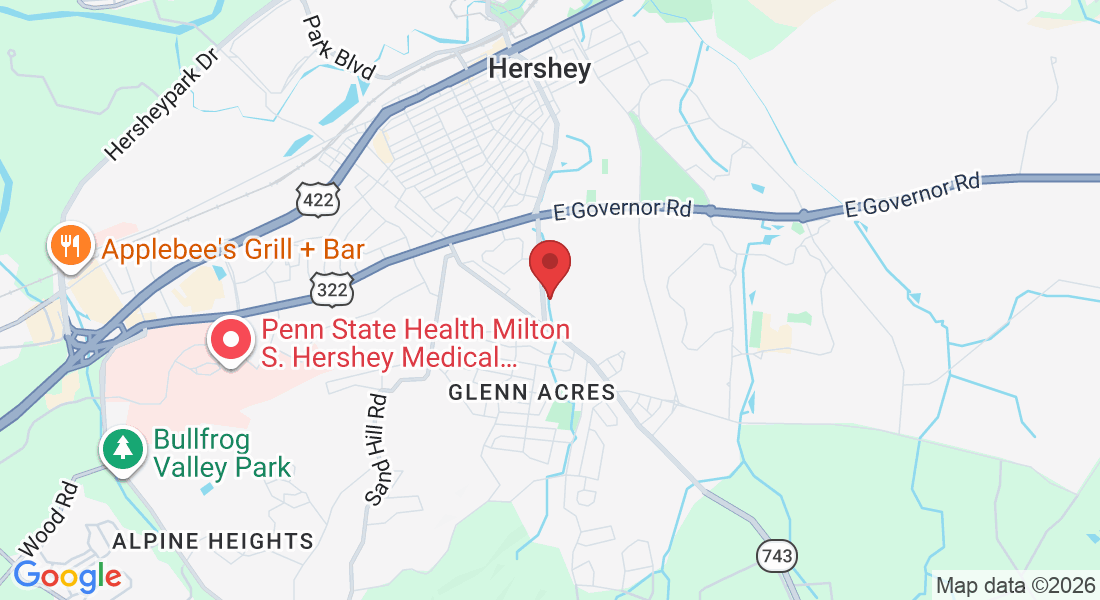
1249 Cocoa Avenue, Suite 190
Hershey, PA 17033
Phone: (717) 882-5888
OFFICE HOURS
By Appointment Only
Call (717) 882-5888
GET IN TOUCH
© Copyright 2023. Three Angels Family Practice & Wellness Center | Sitemap | Accessibility
Powered by Cima Growth Solutions