BLOGS
BLOGS

Skin Cancer Prevention: Sun Safety Tips for Summer
Skin Cancer Prevention: Sun Safety Tips for Summer
July is here — and in Central Pennsylvania, that means long days, outdoor festivals, afternoons at Hersheypark, hikes along the Appalachian Trail, and weekends on the Susquehanna. It also means more time under a sun that carries real health consequences.
July is UV Safety Awareness Month, and it arrives at exactly the right moment. Skin cancer is the most common cancer in the United States — not breast, not lung, not colon. Skin. And unlike many cancers, it is largely preventable and, when caught early, highly treatable. The challenge is that most people underestimate their risk until something goes wrong.
At Three Angels Family Practice & Wellness Center in Hershey, PA, Dr. Danette J. Joseph, MD, talks with patients about sun safety year-round — but summer is when the conversation gets most urgent. This post covers what skin cancer is, what the science says about prevention, how to check your own skin, and when to make an appointment.
What Is Skin Cancer?
Skin cancer is an abnormal growth of skin cells, almost always caused by damage from ultraviolet (UV) radiation — the kind that comes from sunlight and indoor tanning devices. There are three main types:
- Basal cell carcinoma (BCC) — the most common type. It grows slowly and rarely spreads, but it can cause significant local damage if left untreated.
- Squamous cell carcinoma (SCC) — the second most common. SCC can spread to other parts of the body if untreated, though most cases caught early are very manageable.
- Melanoma — the least common of the three but the most dangerous. Melanoma forms in the pigment-producing cells called melanocytes and is far more likely to spread to other organs. It is responsible for most skin cancer deaths.
Together, these types affect an enormous number of people. According to the CDC, an estimated 6.1 million adults are treated for skin cancer annually in the United States, at a total medical cost of $8.9 billion per year.
Why Summer in Central PA Is a High-Risk Season
Pennsylvania sits at a latitude where UV exposure is significant throughout the warmer months. When the UV index climbs — and it routinely reaches 8 or higher on clear July and August days — unprotected skin can burn in well under 30 minutes.
Peak UV hours run from 10 AM to 4 PM. That window covers most of the day for outdoor workers, gardeners, athletes, and anyone attending events at local parks in Palmyra and Hummelstown, outdoor venues across Harrisburg and Mechanicsburg, or simply spending time in the yard in Camp Hill, Campbelltown, or Middletown. UV rays also reflect off water, sand, and pavement, which means your exposure is often higher than you realize — even in partial shade.
UV damage accumulates over a lifetime. The sunburns you got at the town pool as a kid add to your cumulative risk decades later. Starting to protect your skin now matters at any age.
What the Research Says
The numbers are striking. The American Academy of Dermatology (AAD) estimates that approximately 9,500 people in the U.S. are diagnosed with some form of skin cancer every single day. One in five Americans will develop skin cancer in their lifetime.
Melanoma, though less common than BCC or SCC, is trending in the wrong direction. Data from the National Cancer Institute's SEER program show that age-adjusted rates for new melanoma cases have been rising on average 1.1% per year from 2014 to 2023. In 2026, an estimated 112,000 new invasive melanoma cases are expected in the United States alone.
On the prevention side, the evidence is equally clear. The U.S. Preventive Services Task Force (USPSTF) gives a Grade B recommendation for counseling on UV exposure reduction for children, adolescents, and young adults aged 6 months to 24 years with fair skin. Their review found that primary care counseling leads to meaningful increases in sun-protective behaviors. For adults over 24 with fair skin, the USPSTF gives a Grade C recommendation — meaning counseling is still appropriate, guided by individual risk factors. In short: sun protection works, and the evidence behind it is solid.
Know Your Risk Factors
Anyone can develop skin cancer, but certain factors raise your risk considerably. Talk with Dr. Joseph if any of these apply to you:
- Fair skin, light-colored eyes, red or blonde hair, or freckles
- A history of sunburns — especially blistering sunburns in childhood or adolescence
- Past or current use of indoor tanning beds (the International Agency for Research on Cancer classifies UV tanning devices as Group 1 carcinogens — the same category as tobacco)
- A personal or family history of skin cancer or unusual moles
- A large number of moles
- A weakened immune system
- Long hours outdoors for work or recreation
- Certain medications that increase sun sensitivity, including some blood pressure drugs, antibiotics, and acne treatments
Having one or more risk factors does not mean you will develop skin cancer. It means you and your doctor should be more intentional about prevention and monitoring.
How to Check Your Skin — The ABCDE Rule
The ABCDE rule gives you a practical framework for evaluating a mole or skin spot during a monthly self-exam. Developed by dermatology researchers and endorsed by the AAD, it was first introduced in 1985 and expanded over time to improve early melanoma detection. Here is what each letter means:
- A — Asymmetry: One half of the mole looks different from the other.
- B — Border: The edges are irregular, ragged, or blurred — not smooth and round.
- C — Color: Multiple colors in one spot — shades of brown, tan, black, red, white, or blue within the same lesion.
- D — Diameter: The spot is larger than 6 millimeters — roughly the size of a pencil eraser. Some early melanomas are smaller, so size alone is not the only factor.
- E — Evolving: Any change in size, shape, color, or any new symptom like bleeding, itching, or crusting. This is often the most important warning sign.
A spot does not need to check every box to deserve attention. Dermatologists also describe the "ugly duckling" sign: the lesion that simply looks or feels different from the rest of your moles is often worth investigating, regardless of the ABCDE checklist.
Check your whole body — not just sun-exposed areas. Melanoma can develop on the scalp, between the toes, on the soles of the feet, under fingernails, and in other places people rarely examine.
Practical Sun Protection Steps
The good news: most UV damage is preventable. The AAD and the FDA agree on these core practices:
- Use sunscreen every day. The AAD recommends a broad-spectrum (UVA + UVB), water-resistant formula with an SPF of 30 or higher. Higher SPF helps compensate for the fact that most people apply less than the recommended amount. Reapply every two hours, and immediately after swimming or heavy sweating.
- Seek shade during peak hours. From 10 AM to 4 PM, UV radiation is at its strongest. Take shade breaks when outdoors — under a tree, an umbrella, or an awning.
- Cover up. Wear lightweight, tightly woven clothing with long sleeves when possible. Look for clothing with a UPF (ultraviolet protection factor) rating for built-in protection. Add a wide-brimmed hat and UV-blocking sunglasses — the face, ears, and neck are among the most sun-exposed and most overlooked areas.
- Skip the tanning bed. Indoor tanning devices can emit UV radiation 10 to 15 times more intense than the midday sun at peak. There is no safe level of tanning bed use.
- Protect your lips. Apply a lip balm or lipstick with SPF 30 or higher.
- Watch for reflective surfaces. Water, sand, and pavement reflect UV rays and increase your total exposure, even when you are not facing the sun directly.
- Check your medication list. Some common drugs — including certain antibiotics, blood pressure medications, and acne treatments — can make skin significantly more sensitive to UV. Ask Dr. Joseph whether any of yours carry this risk.
When to See Your Doctor
Many people wait too long to have a skin concern evaluated. Here are clear reasons to call the office:
- A mole or spot that meets any of the ABCDE criteria above
- A sore that does not heal within a few weeks
- A new growth or spot you do not recognize
- Any lesion that bleeds without injury, itches persistently, or has changed noticeably
- A spot that just looks "off" — even if you cannot say exactly why
The strongest predictor of a good outcome — especially with melanoma — is how early it is caught. When melanoma is detected at an early, localized stage, outcomes are dramatically better than when it has had time to spread. Do not wait for certainty. Err on the side of getting it checked.
How Three Angels Approaches Skin Health
At Three Angels Family Practice & Wellness Center, skin health is a natural part of whole-body preventive care. During annual physicals and wellness visits, Dr. Joseph reviews your personal risk factors, discusses sun-protective habits, and helps you decide whether a referral to a dermatologist makes sense for your situation.
The practice's integrative philosophy means those conversations include both the evidence-based medicine — USPSTF counseling guidelines, AAD sun protection protocols, NCI research — and a real look at your daily life. How much time do you spend outdoors? What is your medication list? Do you have a family history worth tracking? These are the questions that shape a personalized, practical plan.
This summer, whether you are spending weekends in Hershey, Palmyra, Hummelstown, Elizabethtown, or anywhere in between, make sun safety a habit — not a last-minute thought before heading out the door.
Talk with Dr. Danette J. Joseph, MD
If you'd like to discuss skin cancer prevention or sun safety with Dr. Danette J. Joseph, our board-certified family medicine physician at Three Angels Family Practice & Wellness Center in Hershey, PA, we're welcoming new patients. We also serve the communities of Palmyra, Hummelstown, Harrisburg, Mechanicsburg, Middletown, Elizabethtown, Camp Hill, and surrounding areas of Central Pennsylvania.
Request an appointment online or call (717) 298-1268.
Medical disclaimer: This article is for general educational purposes and does not constitute medical advice, diagnosis, or treatment. Always consult a qualified healthcare provider with questions about a medical condition or before starting, stopping, or changing any treatment. Reading this article does not create a physician-patient relationship with Dr. Danette J. Joseph or Three Angels Family Practice & Wellness Center.

Skin Cancer Prevention: Sun Safety Tips for Summer
Skin Cancer Prevention: Sun Safety Tips for Summer
July is here — and in Central Pennsylvania, that means long days, outdoor festivals, afternoons at Hersheypark, hikes along the Appalachian Trail, and weekends on the Susquehanna. It also means more time under a sun that carries real health consequences.
July is UV Safety Awareness Month, and it arrives at exactly the right moment. Skin cancer is the most common cancer in the United States — not breast, not lung, not colon. Skin. And unlike many cancers, it is largely preventable and, when caught early, highly treatable. The challenge is that most people underestimate their risk until something goes wrong.
At Three Angels Family Practice & Wellness Center in Hershey, PA, Dr. Danette J. Joseph, MD, talks with patients about sun safety year-round — but summer is when the conversation gets most urgent. This post covers what skin cancer is, what the science says about prevention, how to check your own skin, and when to make an appointment.
What Is Skin Cancer?
Skin cancer is an abnormal growth of skin cells, almost always caused by damage from ultraviolet (UV) radiation — the kind that comes from sunlight and indoor tanning devices. There are three main types:
- Basal cell carcinoma (BCC) — the most common type. It grows slowly and rarely spreads, but it can cause significant local damage if left untreated.
- Squamous cell carcinoma (SCC) — the second most common. SCC can spread to other parts of the body if untreated, though most cases caught early are very manageable.
- Melanoma — the least common of the three but the most dangerous. Melanoma forms in the pigment-producing cells called melanocytes and is far more likely to spread to other organs. It is responsible for most skin cancer deaths.
Together, these types affect an enormous number of people. According to the CDC, an estimated 6.1 million adults are treated for skin cancer annually in the United States, at a total medical cost of $8.9 billion per year.
Why Summer in Central PA Is a High-Risk Season
Pennsylvania sits at a latitude where UV exposure is significant throughout the warmer months. When the UV index climbs — and it routinely reaches 8 or higher on clear July and August days — unprotected skin can burn in well under 30 minutes.
Peak UV hours run from 10 AM to 4 PM. That window covers most of the day for outdoor workers, gardeners, athletes, and anyone attending events at local parks in Palmyra and Hummelstown, outdoor venues across Harrisburg and Mechanicsburg, or simply spending time in the yard in Camp Hill, Campbelltown, or Middletown. UV rays also reflect off water, sand, and pavement, which means your exposure is often higher than you realize — even in partial shade.
UV damage accumulates over a lifetime. The sunburns you got at the town pool as a kid add to your cumulative risk decades later. Starting to protect your skin now matters at any age.
What the Research Says
The numbers are striking. The American Academy of Dermatology (AAD) estimates that approximately 9,500 people in the U.S. are diagnosed with some form of skin cancer every single day. One in five Americans will develop skin cancer in their lifetime.
Melanoma, though less common than BCC or SCC, is trending in the wrong direction. Data from the National Cancer Institute's SEER program show that age-adjusted rates for new melanoma cases have been rising on average 1.1% per year from 2014 to 2023. In 2026, an estimated 112,000 new invasive melanoma cases are expected in the United States alone.
On the prevention side, the evidence is equally clear. The U.S. Preventive Services Task Force (USPSTF) gives a Grade B recommendation for counseling on UV exposure reduction for children, adolescents, and young adults aged 6 months to 24 years with fair skin. Their review found that primary care counseling leads to meaningful increases in sun-protective behaviors. For adults over 24 with fair skin, the USPSTF gives a Grade C recommendation — meaning counseling is still appropriate, guided by individual risk factors. In short: sun protection works, and the evidence behind it is solid.
Know Your Risk Factors
Anyone can develop skin cancer, but certain factors raise your risk considerably. Talk with Dr. Joseph if any of these apply to you:
- Fair skin, light-colored eyes, red or blonde hair, or freckles
- A history of sunburns — especially blistering sunburns in childhood or adolescence
- Past or current use of indoor tanning beds (the International Agency for Research on Cancer classifies UV tanning devices as Group 1 carcinogens — the same category as tobacco)
- A personal or family history of skin cancer or unusual moles
- A large number of moles
- A weakened immune system
- Long hours outdoors for work or recreation
- Certain medications that increase sun sensitivity, including some blood pressure drugs, antibiotics, and acne treatments
Having one or more risk factors does not mean you will develop skin cancer. It means you and your doctor should be more intentional about prevention and monitoring.
How to Check Your Skin — The ABCDE Rule
The ABCDE rule gives you a practical framework for evaluating a mole or skin spot during a monthly self-exam. Developed by dermatology researchers and endorsed by the AAD, it was first introduced in 1985 and expanded over time to improve early melanoma detection. Here is what each letter means:
- A — Asymmetry: One half of the mole looks different from the other.
- B — Border: The edges are irregular, ragged, or blurred — not smooth and round.
- C — Color: Multiple colors in one spot — shades of brown, tan, black, red, white, or blue within the same lesion.
- D — Diameter: The spot is larger than 6 millimeters — roughly the size of a pencil eraser. Some early melanomas are smaller, so size alone is not the only factor.
- E — Evolving: Any change in size, shape, color, or any new symptom like bleeding, itching, or crusting. This is often the most important warning sign.
A spot does not need to check every box to deserve attention. Dermatologists also describe the "ugly duckling" sign: the lesion that simply looks or feels different from the rest of your moles is often worth investigating, regardless of the ABCDE checklist.
Check your whole body — not just sun-exposed areas. Melanoma can develop on the scalp, between the toes, on the soles of the feet, under fingernails, and in other places people rarely examine.
Practical Sun Protection Steps
The good news: most UV damage is preventable. The AAD and the FDA agree on these core practices:
- Use sunscreen every day. The AAD recommends a broad-spectrum (UVA + UVB), water-resistant formula with an SPF of 30 or higher. Higher SPF helps compensate for the fact that most people apply less than the recommended amount. Reapply every two hours, and immediately after swimming or heavy sweating.
- Seek shade during peak hours. From 10 AM to 4 PM, UV radiation is at its strongest. Take shade breaks when outdoors — under a tree, an umbrella, or an awning.
- Cover up. Wear lightweight, tightly woven clothing with long sleeves when possible. Look for clothing with a UPF (ultraviolet protection factor) rating for built-in protection. Add a wide-brimmed hat and UV-blocking sunglasses — the face, ears, and neck are among the most sun-exposed and most overlooked areas.
- Skip the tanning bed. Indoor tanning devices can emit UV radiation 10 to 15 times more intense than the midday sun at peak. There is no safe level of tanning bed use.
- Protect your lips. Apply a lip balm or lipstick with SPF 30 or higher.
- Watch for reflective surfaces. Water, sand, and pavement reflect UV rays and increase your total exposure, even when you are not facing the sun directly.
- Check your medication list. Some common drugs — including certain antibiotics, blood pressure medications, and acne treatments — can make skin significantly more sensitive to UV. Ask Dr. Joseph whether any of yours carry this risk.
When to See Your Doctor
Many people wait too long to have a skin concern evaluated. Here are clear reasons to call the office:
- A mole or spot that meets any of the ABCDE criteria above
- A sore that does not heal within a few weeks
- A new growth or spot you do not recognize
- Any lesion that bleeds without injury, itches persistently, or has changed noticeably
- A spot that just looks "off" — even if you cannot say exactly why
The strongest predictor of a good outcome — especially with melanoma — is how early it is caught. When melanoma is detected at an early, localized stage, outcomes are dramatically better than when it has had time to spread. Do not wait for certainty. Err on the side of getting it checked.
How Three Angels Approaches Skin Health
At Three Angels Family Practice & Wellness Center, skin health is a natural part of whole-body preventive care. During annual physicals and wellness visits, Dr. Joseph reviews your personal risk factors, discusses sun-protective habits, and helps you decide whether a referral to a dermatologist makes sense for your situation.
The practice's integrative philosophy means those conversations include both the evidence-based medicine — USPSTF counseling guidelines, AAD sun protection protocols, NCI research — and a real look at your daily life. How much time do you spend outdoors? What is your medication list? Do you have a family history worth tracking? These are the questions that shape a personalized, practical plan.
This summer, whether you are spending weekends in Hershey, Palmyra, Hummelstown, Elizabethtown, or anywhere in between, make sun safety a habit — not a last-minute thought before heading out the door.
Talk with Dr. Danette J. Joseph, MD
If you'd like to discuss skin cancer prevention or sun safety with Dr. Danette J. Joseph, our board-certified family medicine physician at Three Angels Family Practice & Wellness Center in Hershey, PA, we're welcoming new patients. We also serve the communities of Palmyra, Hummelstown, Harrisburg, Mechanicsburg, Middletown, Elizabethtown, Camp Hill, and surrounding areas of Central Pennsylvania.
Request an appointment online or call (717) 298-1268.
Medical disclaimer: This article is for general educational purposes and does not constitute medical advice, diagnosis, or treatment. Always consult a qualified healthcare provider with questions about a medical condition or before starting, stopping, or changing any treatment. Reading this article does not create a physician-patient relationship with Dr. Danette J. Joseph or Three Angels Family Practice & Wellness Center.
LOCATION
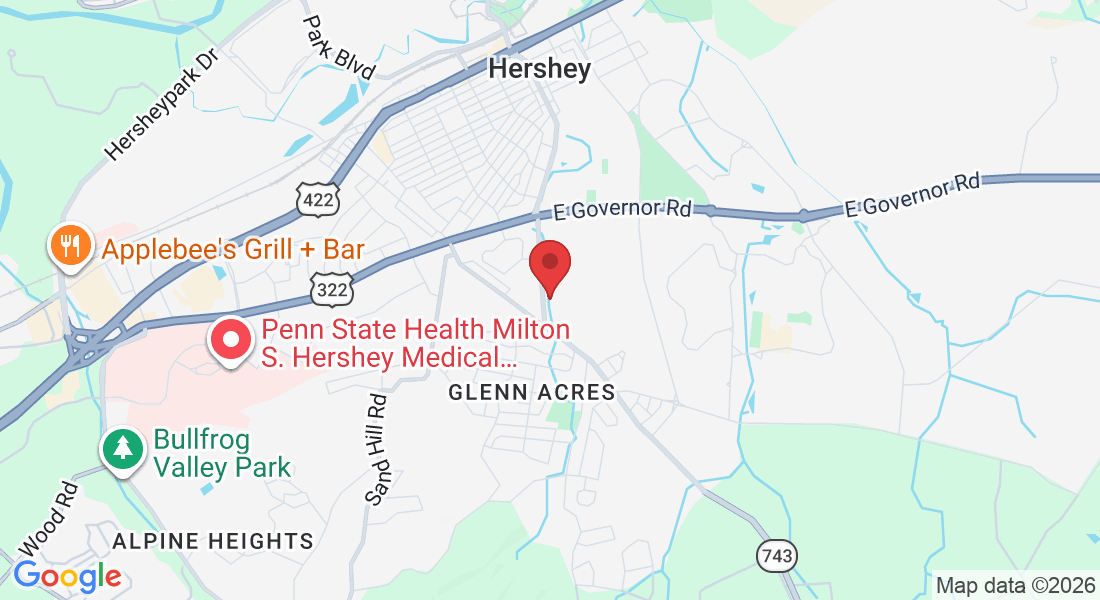
1249 Cocoa Avenue, Suite 190
Hershey, PA 17033
Phone: (717) 882-5888
OFFICE HOURS
By Appointment Only. Call for Availability
GET IN TOUCH
© Copyright 2023. Three Angels Family Practice & Wellness Center | Sitemap | Accessibility
Powered by Cima Growth Solutions
LOCATION
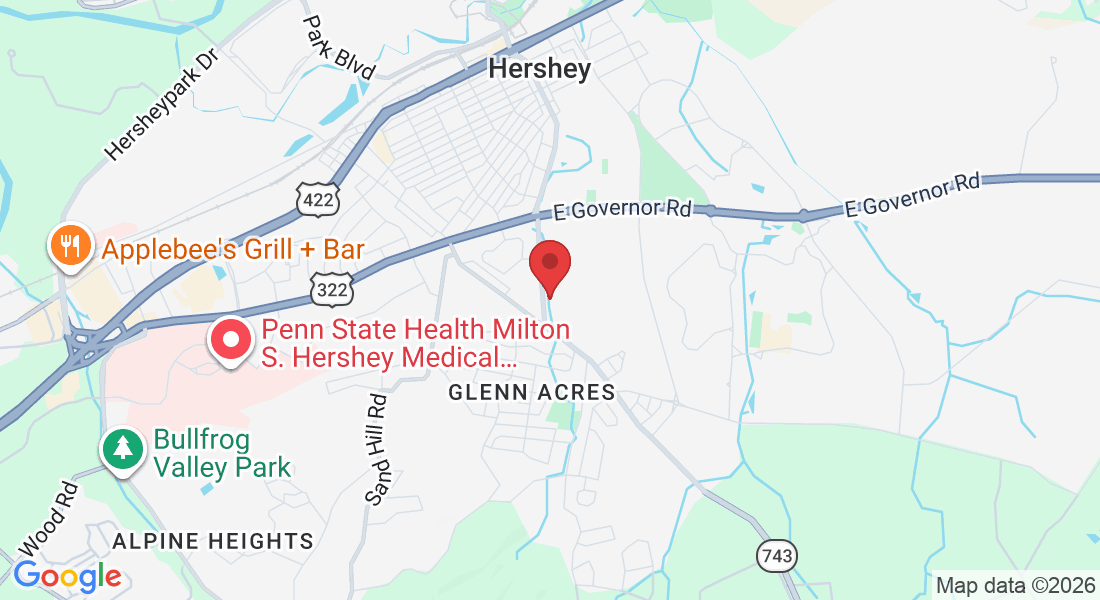
1249 Cocoa Avenue, Suite 190
Hershey, PA 17033
Phone: (717) 882-5888
OFFICE HOURS
By Appointment Only
Call (717) 882-5888
GET IN TOUCH
© Copyright 2023. Three Angels Family Practice & Wellness Center | Sitemap | Accessibility
Powered by Cima Growth Solutions