
BLOGS
BLOGS
Seasonal Affective Disorder: Why It Happens & What Helps
October has arrived in Central Pennsylvania. The leaves are turning, the evenings are cooling down, and the sun is setting noticeably earlier than it did just a few weeks ago. For most people, that shift feels cozy at first. But for millions of Americans, the shortening days trigger something more than a seasonal mood dip — a recurring, genuine form of depression called seasonal affective disorder, or SAD.
If you find yourself dreading winter every year — withdrawing from friends, sleeping more than usual, craving carbohydrates, and struggling to get through the day — you are not being dramatic, and you are not alone. SAD is a real, well-studied condition with effective treatments. The key is recognizing it early enough to do something about it.
Here is what the research says, what your symptoms may mean, and what actually helps — including both evidence-based medical options and the lifestyle strategies that support them.
What Is Seasonal Affective Disorder (SAD)?
SAD is a form of depression with a predictable seasonal pattern. According to the National Institute of Mental Health (NIMH), SAD is a type of major depressive disorder in which symptoms begin and end at the same time each year — most commonly starting in late fall or early winter and lifting by spring. To meet the clinical definition, those seasonal episodes must occur for at least two consecutive years, with full remission in between.
There is also a milder version called subsyndromal SAD, commonly called the "winter blues." This does not meet the full diagnostic criteria but causes real decreases in energy, motivation, and mood during the darker months. Research suggests that 10 to 20 percent of the general population experience some form of winter blues — far more than those with clinical SAD.
The American Psychiatric Association (APA) estimates that about 5 percent of U.S. adults experience SAD each year, and that it typically lasts about 40 percent of the year. That is roughly four to five months of struggling — every single winter.
What the Research Says About SAD
Scientists have studied SAD for decades, and the picture that has emerged points clearly to one main driver: reduced exposure to sunlight.
Here is what happens in the brain when the days get short. Light entering the eye helps regulate the body's internal clock, or circadian rhythm — the 24-hour biological cycle that governs sleep, energy, and mood. Less light disrupts that rhythm. It also affects two key brain chemicals:
- Serotonin, a neurotransmitter that stabilizes mood, is produced at lower levels when sunlight is limited. According to NIMH, research suggests that people with SAD have reduced serotonin activity during winter months.
- Melatonin, the hormone that makes you sleepy, is produced in greater amounts during darkness. In people with SAD, longer winter nights may trigger an excess of melatonin — contributing to the fatigue and oversleeping that are hallmarks of the condition.
Latitude matters a great deal. The APA notes that SAD is significantly more common the farther you live from the equator. Research published by the National Library of Medicine found that in the United States, only about 1 percent of people living in Florida develop SAD — compared to as many as 9 percent in Alaska. Pennsylvania, sitting at roughly 40 degrees north latitude, falls squarely in a zone where reduced winter daylight is a real biological factor. Residents of Hershey, Harrisburg, Hummelstown, Palmyra, and surrounding communities all experience the same dramatic shortening of daylight as fall deepens into winter.
SAD is also more common in women than men — NIMH reports that SAD occurs four times more often in women — and typically begins between ages 18 and 30, according to guidelines published by the American Academy of Family Physicians (AAFP). A family history of depression or SAD also raises your risk.
Signs and Symptoms to Watch For
SAD shares many symptoms with other forms of depression, but it has a few features that make it distinct. The AAFP and NIMH both highlight what are called atypical depression symptoms — the kind especially common in winter-pattern SAD:
- Persistent sadness, emptiness, or low mood most days, nearly all day
- Hypersomnia — sleeping more than usual, but still waking up exhausted
- Strong cravings for carbohydrates (bread, pasta, sweets, comfort food)
- Weight gain
- A heavy, sluggish feeling in the arms and legs
- Difficulty concentrating, remembering things, or making decisions
- Withdrawal from friends, family, and social activities
- Loss of interest in things you normally enjoy
Notice that the winter version of SAD often looks different from what most people picture as "depression." You may not feel tearful or hopeless in the classic sense. Instead, you feel switched off — heavy, foggy, and withdrawn. That difference matters for recognition and treatment.
One important note: several medical conditions can cause overlapping symptoms, including hypothyroidism (an underactive thyroid), anemia, and viral illnesses. A proper evaluation by your doctor is essential before assuming your winter symptoms are SAD. The APA specifically notes that SAD can be misdiagnosed in the presence of hypothyroidism and hypoglycemia, so a thorough workup is key.
What You Can Do at Home
There are several evidence-supported lifestyle strategies that can make a real difference — both for people with a formal SAD diagnosis and for those dealing with milder winter blues.
Get outside in the morning
Natural outdoor light — even on a cloudy Pennsylvania day — is far brighter than typical indoor lighting. The AAFP recommends increasing exposure to natural light as a lifestyle intervention for SAD. A 20- to 30-minute morning walk, even when it is gray and cold outside, delivers meaningful light to your retinas and can help reset your circadian rhythm. This costs nothing and carries no side effects.
Protect your sleep schedule
Going to bed and waking up at the same time every day helps anchor your circadian rhythm. As days shorten, it is tempting to sleep in — but an irregular schedule deepens the disruption your brain is already experiencing. Avoid long naps late in the day, and limit screens in the hour before bed.
Stay physically active
The AAFP lists regular aerobic exercise as a recommended lifestyle intervention for SAD. Exercise increases serotonin availability in the brain, helps regulate sleep, and reduces stress hormones. You do not need to run marathons — consistent, moderate activity several days per week is what matters most. Short daily walks outside combine both movement and light exposure, making them a particularly useful tool in the fall and early winter months.
Watch what you eat
Carbohydrate cravings in winter are real and biologically driven. Leaning into them heavily, though, can worsen energy crashes and mood instability throughout the day. Keeping meals balanced — protein, healthy fats, fiber-rich vegetables — supports steadier blood sugar and more stable energy. The same anti-inflammatory eating principles that support overall health are relevant here, too.
Stay socially connected
Withdrawal is a symptom of SAD — not a solution to it. Make a conscious effort to maintain social plans, even small ones. A walk with a neighbor in Mechanicsburg, a coffee with a friend in Elizabethtown, a regular check-in call with family in Middletown or Campbelltown — these connections counter the isolation that tends to feed seasonal depression.
When to See Your Doctor
Lifestyle strategies are a meaningful first line of support, but they are not always enough — and there are well-established medical treatments that work.
Light therapy is the best-studied, first-line non-medication treatment for SAD. It involves sitting in front of a specially designed light box that emits very bright white light — typically 10,000 lux, which is approximately the brightness of being outdoors on a clear summer day. The APA explains that most people use a light box for 20 to 30 minutes each morning and begin seeing improvement within one to two weeks. Because SAD tends to return on schedule, some patients start light therapy in early October — before the darkest months arrive — to stay ahead of symptoms.
According to AAFP clinical guidelines, the recommended light intensity is 2,500 to 10,000 lux for 30 to 60 minutes at the same time each day. A 2024 systematic review and meta-analysis found that phototherapy showed statistically significant effects in alleviating depressive symptoms in SAD and remained the most-studied non-pharmacological treatment available — with superior effects compared to placebo controls.
Light therapy is not appropriate for everyone. It is important to discuss it with your doctor first, especially if you have bipolar disorder, certain eye conditions, or take medications that increase sensitivity to light.
Cognitive behavioral therapy (CBT) — talk therapy that helps you identify and reframe unhelpful thought patterns — has also shown strong results for SAD. Research has found remission rates comparable to light therapy, making CBT a legitimate first-line option for patients who prefer it or who do not respond fully to light treatment.
Antidepressant medications, particularly SSRIs and bupropion, are another option. The AAFP notes that bupropion has the strongest evidence for preventing SAD recurrence in future seasons. These are decisions to make carefully with your doctor based on your symptom severity, medical history, and personal preferences — not a one-size-fits-all recommendation.
You should reach out to a healthcare provider if:
- Your symptoms are interfering with work, relationships, or daily functioning
- You have felt significantly low for two or more consecutive winters
- You are having thoughts of harming yourself — in which case, please call or text 988 (the Suicide and Crisis Lifeline) immediately, or go to your nearest emergency room
- You are unsure whether your symptoms are SAD or another medical condition
How Three Angels Family Practice Approaches Seasonal Depression
At Three Angels Family Practice & Wellness Center in Hershey, Dr. Danette J. Joseph, MD, takes an integrative approach to mood and mental health — meaning she looks at the whole picture, not just a single symptom. That includes ruling out medical causes (such as thyroid dysfunction or nutritional deficiencies), reviewing lifestyle factors, discussing evidence-based therapies like light treatment and CBT, and, when appropriate, talking through medication options that fit each patient's situation and values.
If you have noticed a pattern of feeling significantly worse every fall and winter — year after year — that pattern is clinically meaningful and worth discussing at your next visit. Patients throughout Hershey, Harrisburg, Palmyra, Hummelstown, and the surrounding communities are welcome to bring these concerns to Dr. Joseph, whether you are an established patient or looking for a new family medicine provider who takes a thoughtful, whole-person approach to care.
SAD does not have to define your winters. With the right support, you can address it before the darkest months arrive.
Talk with Dr. Joseph
If you would like to discuss seasonal mood changes or winter depression with Dr. Danette J. Joseph, our board-certified family medicine physician at Three Angels Family Practice & Wellness Center in Hershey, PA, we are welcoming new patients. We also serve Palmyra, Hummelstown, Harrisburg, and Mechanicsburg.
Request an appointment online or call (717) 298-1268.
Medical disclaimer: This article is for general educational purposes and does not constitute medical advice, diagnosis, or treatment. Always consult a qualified healthcare provider with questions about a medical condition or before starting, stopping, or changing any treatment. Reading this article does not create a physician-patient relationship with Dr. Danette J. Joseph or Three Angels Family Practice & Wellness Center.
LOCATION
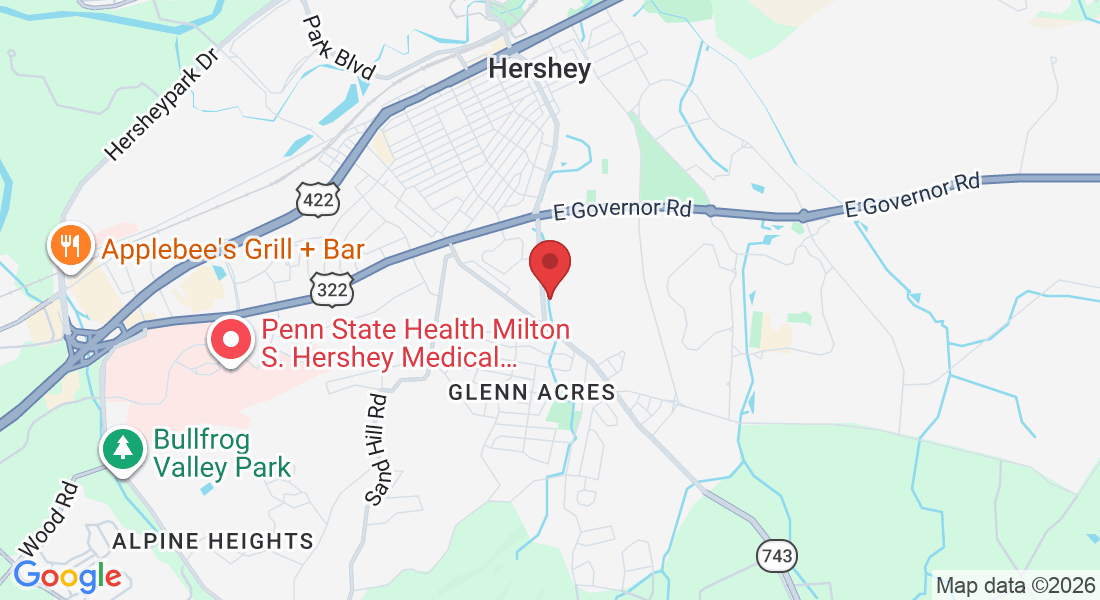
1249 Cocoa Avenue, Suite 190
Hershey, PA 17033
Phone: (717) 882-5888
OFFICE HOURS
By Appointment Only. Call for Availability
GET IN TOUCH
© Copyright 2023. Three Angels Family Practice & Wellness Center | Sitemap | Accessibility
Powered by Cima Growth Solutions
LOCATION
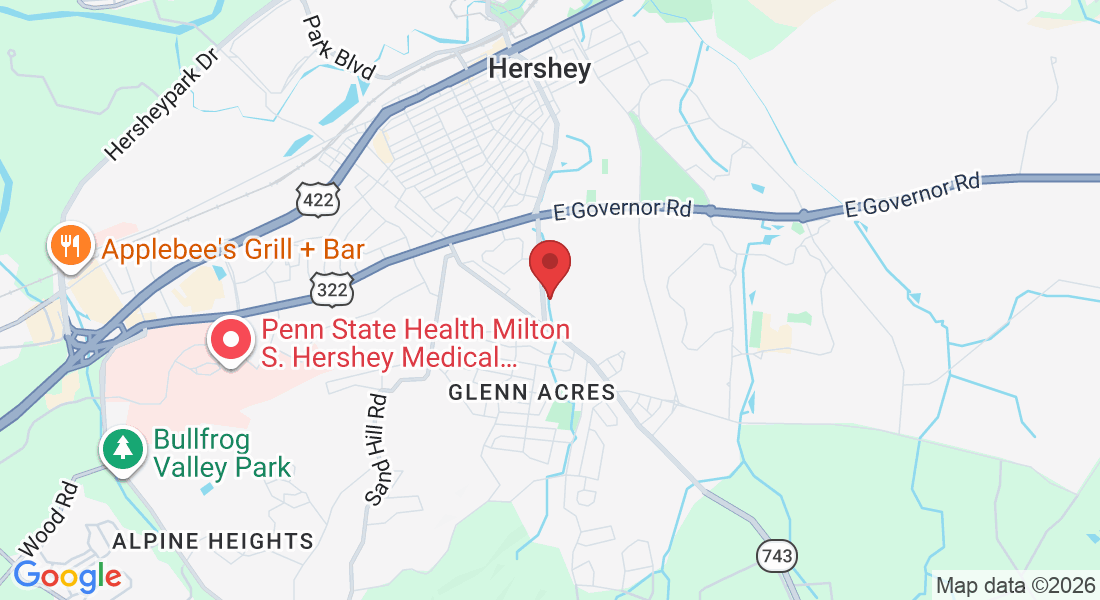
1249 Cocoa Avenue, Suite 190
Hershey, PA 17033
Phone: (717) 882-5888
OFFICE HOURS
By Appointment Only
Call (717) 882-5888
GET IN TOUCH
© Copyright 2023. Three Angels Family Practice & Wellness Center | Sitemap | Accessibility
Powered by Cima Growth Solutions