BLOGS
BLOGS

RSV Season Is Here: What Parents of Babies Need to Know
October arrives in Hershey, and with the cooling temperatures comes something most parents don't think about until it's already here: RSV season. Respiratory syncytial virus — RSV for short — is one of the most common childhood illnesses. It circulates every fall and winter, and for most kids it's little more than a rough cold. But for babies, the picture can look very different.
According to the CDC, RSV is the leading cause of infant hospitalization in the United States. Before new prevention tools became widely available, an estimated 58,000 to 80,000 children under age 5 were hospitalized with RSV every single year. That number has started to come down — and there's real reason for hope this season. But awareness is the first step.
If you have a baby at home in Hershey, Palmyra, Hummelstown, Middletown, or anywhere across the Dauphin County area, here is what Dr. Danette J. Joseph, MD, board-certified family medicine physician at Three Angels Family Practice & Wellness Center, wants you to know heading into this season.
What Is RSV?
RSV stands for respiratory syncytial virus (sin-SIH-shul). It infects the nose, throat, and lungs and spreads the same way colds do: through coughs, sneezes, contaminated surfaces, and close contact. RSV is highly contagious. A person infected with RSV is typically contagious for three to eight days — and very young infants can shed the virus even longer.
Here's the thing about RSV: nearly every child gets it. The CDC reports that most children will have an RSV infection before their second birthday. In older kids and adults, it usually causes nothing more than a stuffy, runny nose. In babies — especially those under six months — the virus can travel deep into tiny airways and cause serious breathing problems.
Two illnesses linked to RSV deserve special mention:
- Bronchiolitis — inflammation of the smallest airways in the lungs. This is the most common reason RSV lands babies in the hospital.
- Pneumonia — infection of the lung tissue itself, which can develop in more severe RSV cases.
Why Is RSV So Dangerous for Babies?
Adult airways are wide enough to tolerate the swelling and mucus RSV triggers. A newborn's bronchioles (the small tubes inside the lungs) are only a few millimeters across. When those tiny airways swell and fill with mucus, a baby can struggle to move air in and out. That's when breathing becomes labored — and that's when hospitalizations happen.
The CDC notes that two to three percent of infants under six months are hospitalized with RSV every year. The risk is highest in:
- Very young infants — especially those under three months
- Babies born prematurely
- Infants with chronic lung disease or congenital heart disease
- Children with weakened immune systems
- Babies with neuromuscular conditions that make it hard to clear mucus
That said, RSV can put otherwise healthy, full-term babies in the hospital too. The youngest infants are the most vulnerable, regardless of underlying health status. Don't let a "healthy baby" mindset lead you to dismiss warning signs.
Symptoms: What RSV Looks Like Day by Day
RSV rarely announces itself with drama. It starts quietly and peaks in the middle of the illness — which is what catches many parents off guard.
Days 1–2: Runny nose, mild cough, reduced appetite. Looks exactly like the common cold.
Days 3–5: This is the peak. The cough deepens. Breathing may speed up. You may hear wheezing — a high-pitched whistling sound on the exhale. In very young infants, the main signs may be irritability, low energy, and pauses in breathing rather than obvious respiratory distress.
Days 6–14: Gradual recovery. Breathing usually settles first, then appetite returns. The cough can linger for two weeks or more.
Infants almost always show symptoms when infected with RSV. This is different from adults, who can carry the virus with no symptoms at all. If your baby is sick during RSV season — and it starts looking like a cold — keep watching closely through day five.
Warning Signs That Mean Seek Care Now
Most babies with RSV will recover at home with supportive care. But certain signs mean you should not wait. The CDC recommends seeking medical attention if your child is having difficulty breathing, not drinking enough fluids, or experiencing worsening symptoms.
Call 911 or go to the ER immediately if your baby shows:
- Skin pulling in tightly between or below the ribs with each breath (called retractions)
- Nostrils flaring with every breath
- Blue, gray, or purple color around the lips, mouth, tongue, or gums
- Pauses in breathing (apnea) — especially dangerous in babies under six months
- Extreme difficulty breathing — using the belly or shoulders to breathe
Call your doctor the same day if your baby has:
- Breathing that seems faster than normal for a sustained period
- Refusing feeds or taking significantly less than usual
- Fewer wet diapers than normal (a sign of dehydration)
- Symptoms that are getting worse after day five or seven instead of better
- Any age under three months with a fever
If your baby is in a high-risk group — premature, has a heart or lung condition, or is under two months old — call at the first sign of any cold during RSV season. Don't wait to see how things develop.
What You Can Do at Home
There is no antiviral medication for routine RSV. Treatment is supportive — meaning you manage symptoms and keep your baby comfortable while their immune system does the work. Here's what helps:
- Clear the nose first. Babies breathe primarily through their noses. A congested baby cannot feed well. Put one or two drops of saline solution in each nostril, then use a bulb syringe or nasal aspirator to gently clear the mucus. Do this before feedings.
- Use a cool-mist humidifier. Moist air helps loosen congestion and reduces breathing effort. Use cool mist — not a hot-steam vaporizer, which is a burn hazard.
- Feed small and often. A baby who is working to breathe cannot feed normally. Offer smaller, more frequent feedings to keep hydration up. Dehydration is one of the main reasons babies get admitted to the hospital with RSV.
- Keep the head slightly elevated during awake, supervised time. This can ease breathing. Never put extra pillows or wedges in a crib — always follow safe sleep guidelines.
- Count breaths. When your baby is calm and resting, count their breaths for a full minute by watching the chest rise. Knowing your baby's normal rate helps you spot when breathing speeds up.
Skip the over-the-counter cold medicines. They are not safe for infants and do not help with RSV. Honey can soothe a cough — but only for children one year and older.
Prevention: The RSV Antibody Options for This Season
This is where the news has genuinely changed. Parents who had babies a few years ago may not know that there are now two excellent options to protect infants from severe RSV — and the 2025–2026 RSV season is the second year these tools have been widely available.
Per the CDC (August 2025), the two options are:
Option 1: Maternal RSV vaccine during pregnancy. Pfizer's Abrysvo is given to pregnant women between 32 and 36 weeks of pregnancy — ideally between September and January. When a pregnant woman receives this vaccine, her immune system produces antibodies that cross the placenta and protect the baby from birth through approximately the first six months of life.
Option 2: An RSV antibody shot for the baby after birth. Nirsevimab (brand name Beyfortus) and clesrovimab (brand name Enflonsia) are long-acting monoclonal antibodies — not vaccines. They do not train the immune system. Instead, they deliver ready-made antibodies that protect against RSV for approximately five months — enough to cover an entire RSV season. The American Academy of Pediatrics' updated 2025 policy statement recommends these antibodies for all infants under eight months entering their first RSV season whose mother did not receive the RSV vaccine during pregnancy.
How well do they work? Data from the 2024–2025 RSV season, published in AAP News, showed nirsevimab was 80% effective against RSV-associated ICU admission and 83% effective against acute respiratory failure among hospitalized infants. These are meaningful numbers for a serious illness.
Most infants need only one of these two options — not both. The window for the infant antibody shot in most of the continental U.S., including Central Pennsylvania, runs October through the end of March. If your baby is under eight months and was not protected through maternal vaccination, now is the time to ask about it.
A few other everyday steps that help reduce RSV spread in families:
- Wash hands thoroughly before touching or holding the baby
- Keep people with colds or respiratory symptoms away from newborns
- Avoid smoke exposure — secondhand smoke worsens RSV outcomes
- Clean and disinfect frequently touched surfaces
- Avoid sharing cups, bottles, or utensils with the baby
How Three Angels Family Practice Approaches RSV
At Three Angels Family Practice & Wellness Center in Hershey, Dr. Joseph takes a whole-family approach to RSV season. Her philosophy: the best time to talk about RSV is before your baby is sick. That conversation happens naturally at well-child visits, prenatal care, and adult physicals for parents who are expecting.
If you are pregnant and approaching 32 weeks, ask your obstetric provider or Dr. Joseph about the maternal RSV vaccine. If you have a baby under eight months who did not receive maternal vaccine protection, ask about the infant antibody option at your next well-child visit — or call to discuss it sooner, since the window opens now in October.
And if your baby is already showing cold symptoms and you are unsure whether to worry, call the practice. It is always better to check in than to guess. The team at Three Angels serves families in Hershey, Elizabethtown, Campbelltown, Harrisburg, Mechanicsburg, and the surrounding communities — and a quick phone conversation can help you decide whether your baby needs to be seen right away or whether you can manage safely at home.
Talk with Dr. Joseph
If you'd like to discuss RSV prevention or your baby's respiratory health with Dr. Danette J. Joseph, our board-certified family medicine physician at Three Angels Family Practice & Wellness Center in Hershey, we are welcoming new patients. We also serve families in Palmyra, Hummelstown, Middletown, and Harrisburg.
Request an appointment online or call (717) 298-1268.
Medical disclaimer: This article is for general educational purposes and does not constitute medical advice, diagnosis, or treatment. Always consult a qualified healthcare provider with questions about a medical condition or before starting, stopping, or changing any treatment. Reading this article does not create a physician-patient relationship with Dr. Danette J. Joseph or Three Angels Family Practice & Wellness Center.
LOCATION
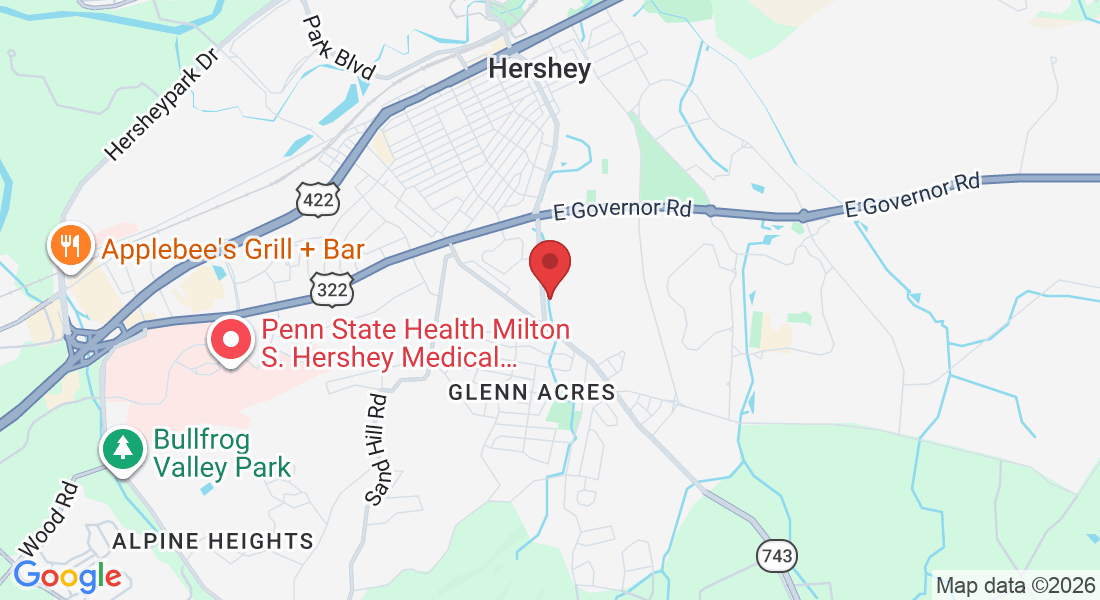
1249 Cocoa Avenue, Suite 190
Hershey, PA 17033
Phone: (717) 882-5888
OFFICE HOURS
By Appointment Only. Call for Availability
GET IN TOUCH
© Copyright 2023. Three Angels Family Practice & Wellness Center | Sitemap | Accessibility
Powered by Cima Growth Solutions
LOCATION
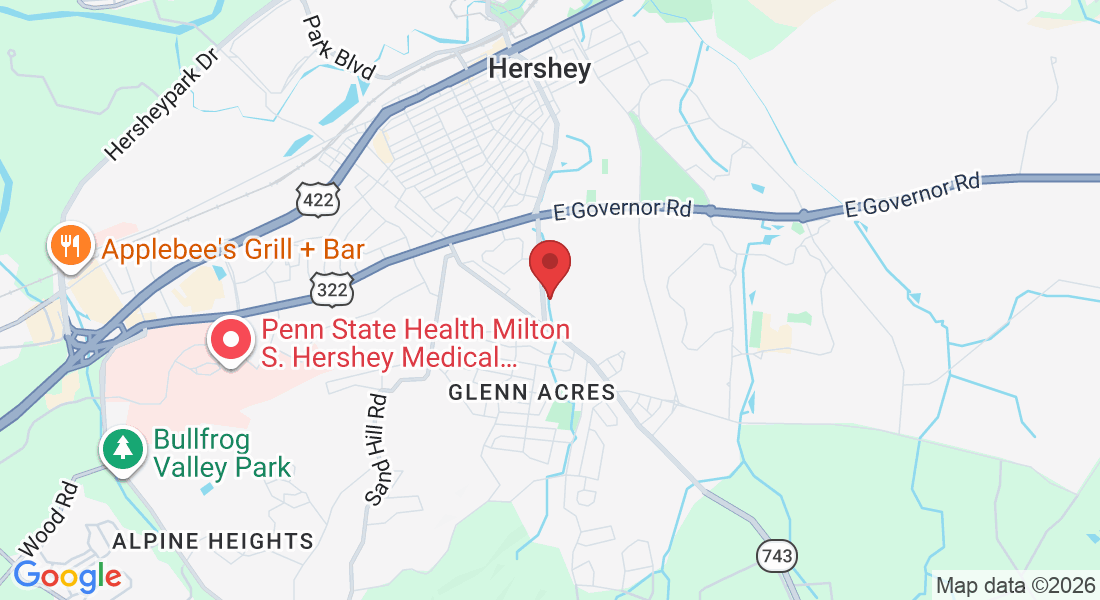
1249 Cocoa Avenue, Suite 190
Hershey, PA 17033
Phone: (717) 882-5888
OFFICE HOURS
By Appointment Only
Call (717) 882-5888
GET IN TOUCH
© Copyright 2023. Three Angels Family Practice & Wellness Center | Sitemap | Accessibility
Powered by Cima Growth Solutions