BLOGS
BLOGS
The Post-Thanksgiving Reset: How to Get Back on Track
The Day After Is the Day That Counts
Thanksgiving is one of the most food-centered days of the year — and that is not a problem. Sharing a table with the people you love, enjoying a home-cooked meal, and resting are all genuinely good for you. The issue is not yesterday's dinner. The issue is what happens in the days that follow.
For many people in Hershey, Hummelstown, Palmyra, and across Central Pennsylvania, Thanksgiving kicks off five weeks of continuous holiday eating — parties, leftovers, cookie trays at work, and one more "special occasion" after another. That streak, not any single meal, is where health tends to slip.
Dr. Danette J. Joseph, MD, board-certified family medicine physician at Three Angels Family Practice & Wellness Center, wants you to feel good going into December — not guilty, not deprived, and not waiting until January 1 to start caring about your body. Here is what the science says about getting back on track, and how to make it stick.
What Actually Happens in Your Body After a Big Meal
A typical Thanksgiving plate is high in refined carbohydrates (stuffing, rolls, sweet potato casserole), sodium (canned soups, gravies, processed sides), saturated fat, and calories. That combination sets off a chain of physiological events worth understanding.
Blood sugar spikes. Your digestive system breaks down carbohydrates into glucose quickly. After a large, carb-heavy meal, blood glucose can rise sharply within 30–60 minutes. Research published in Nutrients (Hiyoshi et al., 2017) defines postprandial hyperglycemia — high blood sugar after eating — as a glucose level above 140 mg/dL one to two hours after a meal. Even in people without diabetes, repeated large spikes are linked to increased inflammation and cardiovascular risk.
Temporary water retention. A single high-sodium meal causes your kidneys to hold on to water, which is why you may step on the scale the morning after Thanksgiving and see a number that is two to four pounds higher than usual. Most of this is not fat — it is fluid. Your body will clear it within a day or two when sodium intake normalizes and you drink enough water.
Sluggish digestion. Large volumes of food, particularly those high in fat, slow gastric emptying (the rate at which your stomach empties into the small intestine). This is why you feel full and heavy for hours after a big meal. It is normal and temporary.
Fatigue and brain fog. The post-meal "food coma" is real. It is partly driven by tryptophan in turkey (which your body converts to serotonin), partly by the insulin surge that follows a high-carb meal, and partly by simple blood flow redistribution toward the digestive system.
What the Research Says About Holiday Weight Gain
Here is some genuinely reassuring news: the popular belief that most people gain five to ten pounds between Thanksgiving and New Year's is not supported by research.
In a landmark NIH-led prospective study, Yanovski et al. (New England Journal of Medicine, 2000) followed 195 adults through the holiday season and found that the average weight gain was just 0.37 kilograms — less than one pound. Fewer than one in ten people gained more than five pounds.
The catch? That small gain is rarely reversed in the spring or summer. It tends to stick. And when that happens every year for a decade, it adds up. The researchers concluded that the holiday period likely contributes meaningfully to long-term weight accumulation in adults — not through catastrophic single-year gain, but through small annual increments that compound over time.
The goal of a post-Thanksgiving reset is not to panic or punish yourself. It is to prevent this year's small shift from becoming permanent.
Five Evidence-Based Steps to Reset This Weekend
1. Take a Walk — Especially After Meals
This is one of the most well-studied and accessible things you can do. A 2022 meta-analysis by Bellini et al. found that postprandial walking — walking after a meal — significantly reduces post-meal blood glucose spikes compared to sitting. Research suggests that even a 10–15 minute gentle walk after eating can meaningfully blunt the glucose rise that follows a large meal.
You do not need a gym. You do not need to run. A walk around the block after Thanksgiving leftovers tonight counts. If the weather is cold in Central PA this weekend (it usually is), bundle up and go anyway — or walk laps inside the house. The movement matters more than the setting.
2. Drink More Water Than You Think You Need
The holiday meal's sodium load encourages your body to retain fluid. The fastest way to help your kidneys flush that excess sodium is simply to hydrate well. Aim to drink water consistently through the day — not all at once, but steadily. Herbal teas count. Sparkling water counts. Plain coffee and tea count in moderation.
Alcohol, on the other hand, is dehydrating and suppresses the hormone your kidneys use to retain water. If you had wine or cocktails yesterday, your hydration is likely running low, which amplifies fatigue and headache. Water first.
3. Eat Vegetables Before Carbohydrates at Your Next Few Meals
This one sounds small, but the evidence is real. Research by Shukla et al. (Diabetes Care, 2015) showed that the order in which you eat foods at a meal significantly affects your post-meal blood glucose. Eating vegetables and protein first — before bread, rice, or starchy sides — resulted in meaningfully lower glucose and insulin spikes compared to eating carbohydrates first, even when the total amount of food was identical.
When you work through the Thanksgiving leftovers this weekend, start your plate with the green beans, the salad, the turkey, or the roasted vegetables before you reach for the stuffing or the rolls. Same food. Better outcome.
4. Return to Your Normal Eating Pattern — Don't Skip Meals to "Make Up" for Yesterday
Skipping breakfast or lunch after Thanksgiving to compensate for overeating almost always backfires. When you go too long without eating, blood sugar drops and hunger hormones spike. By the time dinner arrives, you are more likely to overeat again — especially in a house full of leftovers.
Instead, eat regular, reasonably sized meals. Prioritize protein and fiber at breakfast (eggs, Greek yogurt, oatmeal with nuts) to stabilize blood sugar and reduce cravings through the day. This is not restriction — it is rhythm. Your body does better on a consistent schedule.
5. Protect Your Sleep This Long Weekend
Sleep disruption is one of the hidden drivers of holiday weight gain and poor health decisions. When you sleep fewer than seven hours, the hormones that regulate hunger — ghrelin (which stimulates appetite) and leptin (which signals fullness) — shift in the direction of overeating. Poor sleep also raises cortisol, which promotes fat storage and raises blood pressure.
The long Thanksgiving weekend is actually a rare opportunity to catch up on sleep if you have been running low. Take it. Resist the urge to scroll until 1 a.m. or stay up for one more movie. Your pancreas, your heart, and your waistline will thank you.
When to Pay Attention to How You Feel
Most people feel back to normal within 24–48 hours of a big holiday meal. But there are symptoms worth noting:
- Chest pain, pressure, or shortness of breath — The American Heart Association has found that the holiday period is associated with a measurable increase in cardiac events. AHA data show that fatal heart attacks are more common during the holiday season, driven by the combination of overeating, alcohol, emotional stress, and disrupted sleep. If you have any chest discomfort — even mild — call 911 or seek emergency care. Don't wait it out.
- Severe abdominal pain — This can signal pancreatitis (inflammation of the pancreas), which can be triggered by high-fat meals and alcohol. It is not common, but it is serious.
- Persistent swelling in legs or ankles — Some water retention is normal after a salty meal, but swelling that does not improve with movement and hydration warrants a call to your doctor.
- Reflux or heartburn that won't settle — A one-time flare after Thanksgiving is very common and typically responds to staying upright after eating and avoiding large portions. If it persists through the weekend, that is worth discussing with your provider.
The Bigger Picture: Five Weeks, Not One Day
Thanksgiving is not the problem. The challenge is the five-week gauntlet that runs from now through New Year's Day — a nearly continuous string of social events, work parties, cookie exchanges, and family gatherings, each one presented as a "special occasion."
At Three Angels Family Practice & Wellness Center, the integrative medicine approach Dr. Joseph takes is not about rigid rules or willpower. It is about building enough structure in your daily habits that the special occasions really do stay special — and don't become the norm for two months straight.
A few practical anchors for the season:
- Keep exercising, even briefly. Three 10-minute walks still beat zero.
- Cook at least half your weekday meals at home. You control the sodium, fat, and portions.
- Arrive at parties having already eaten something with protein and fiber. You'll make better choices.
- Limit alcohol to social occasions — don't let it become a nightly habit between now and December 31.
- Keep a rough eye on how you feel — energy, sleep, digestion — not just what the scale says.
None of this is punishment. It is simply maintaining the foundation so that your body can handle the celebrations that come.
Talk with Dr. Danette J. Joseph, MD
If you want to discuss your overall health, weight management, blood sugar, or how to build sustainable habits going into the new year, Dr. Danette J. Joseph, MD, is here. Three Angels Family Practice & Wellness Center is a board-certified family medicine and integrative wellness practice welcoming new patients in Hershey, PA. We also serve patients from Hummelstown, Palmyra, Harrisburg, Mechanicsburg, Middletown, and surrounding communities across Central Pennsylvania.
Request an appointment online or call us at (717) 298-1268. We would love to help you feel your best — not just in January, but all year long.
Medical disclaimer: This article is for general educational purposes and does not constitute medical advice, diagnosis, or treatment. Always consult a qualified healthcare provider with questions about a medical condition or before starting, stopping, or changing any treatment or health routine. Reading this article does not create a physician-patient relationship with Dr. Danette J. Joseph, MD, or Three Angels Family Practice & Wellness Center.
LOCATION
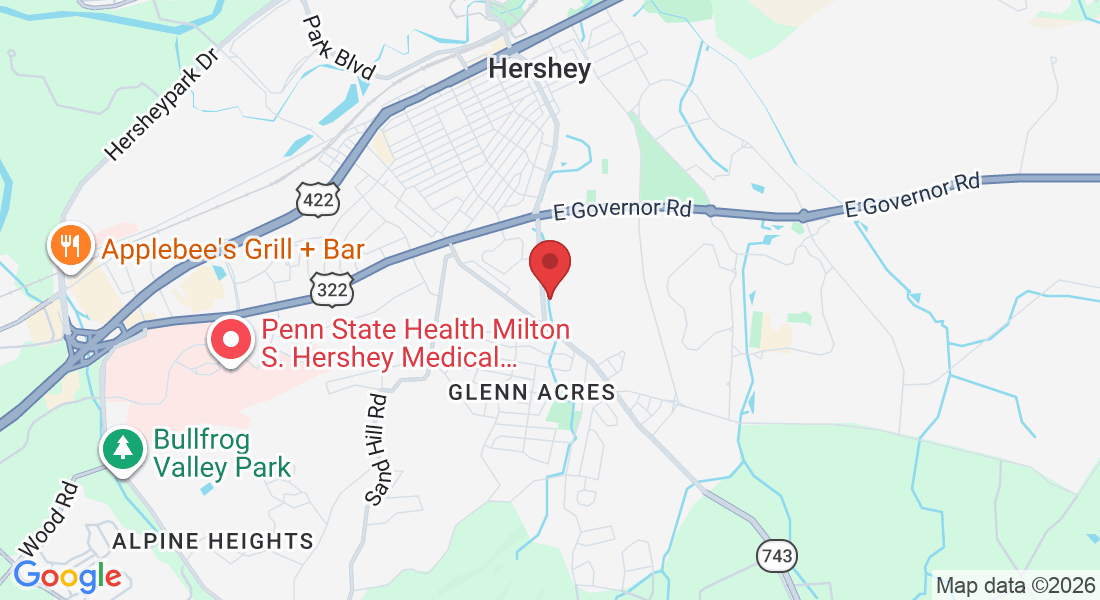
1249 Cocoa Avenue, Suite 190
Hershey, PA 17033
Phone: (717) 882-5888
OFFICE HOURS
By Appointment Only. Call for Availability
GET IN TOUCH
© Copyright 2023. Three Angels Family Practice & Wellness Center | Sitemap | Accessibility
Powered by Cima Growth Solutions
LOCATION
1249 Cocoa Avenue, Suite 190
Hershey, PA 17033
Phone: (717) 882-5888
OFFICE HOURS
By Appointment Only
Call (717) 882-5888
GET IN TOUCH
© Copyright 2023. Three Angels Family Practice & Wellness Center | Sitemap | Accessibility
Powered by Cima Growth Solutions