BLOGS
BLOGS

PCOS: Symptoms, Diagnosis, and What You Can Do
You've Been Told Your Symptoms Are "Just Stress" — But What If It's PCOS?
Irregular periods. Stubborn weight gain. Acne that won't quit — well past your teenage years. Hair thinning at the crown of your head, or showing up in places you'd rather it didn't. Fatigue that no amount of sleep seems to fix.
If any of that sounds familiar, you're not imagining things. And you're definitely not alone. Polycystic ovary syndrome — most commonly known as PCOS — is one of the most common hormonal conditions in women of reproductive age. Yet most women who have it haven't been diagnosed.
At Three Angels Family Practice & Wellness Center in Hershey, PA, Dr. Danette J. Joseph, MD sees patients navigating exactly this. Women who've bounced from doctor to doctor, been told their labs "look fine," and are frustrated that something clearly feels off. This post is for them — and for anyone who wants to understand what PCOS actually is, what the research says, and what you can do about it.
What Is PCOS?
PCOS is a hormonal disorder in which the ovaries produce higher-than-normal amounts of androgens — the hormones often called "male hormones," though women produce them too. This imbalance disrupts the normal cycle of egg development and release, leading to irregular or absent ovulation (the monthly release of an egg).
The name can be a little misleading. "Polycystic" refers to small fluid-filled follicles (not true cysts) that can develop on the ovaries when eggs don't fully mature. But you can have PCOS without visible follicles on ultrasound — and you can have follicles on your ovaries without having PCOS. The condition is defined by its hormonal and metabolic picture, not just by what your ovaries look like on a scan.
According to the National Institute of Child Health and Human Development (NICHD), PCOS is the most common cause of anovulatory infertility — meaning infertility related to irregular or absent ovulation. It affects an estimated 1 in 8 to 1 in 10 women of reproductive age worldwide. That's tens of millions of women in the United States alone.
Why So Many Women Go Undiagnosed
Here's the part that frustrates patients most: up to 70% of women who have PCOS haven't been diagnosed.
A survey of 1,385 women with confirmed PCOS found that about 34% waited more than two years before receiving a diagnosis, and nearly half — 47% — saw three or more healthcare providers before anyone connected the dots. That's years of symptoms, confusion, and self-blame for many women.
Why does it take so long? A few reasons:
- PCOS looks different in different women. Some have irregular periods. Some don't. Some have excess hair growth. Others don't. The condition has four recognized clinical patterns, which makes it easy to miss if a provider isn't looking for the full picture.
- Symptoms are easy to attribute to other things. Irregular cycles get blamed on stress. Weight gain gets framed as a willpower problem. Acne is dismissed as normal. Fatigue is chalked up to being busy.
- There's no single definitive test. PCOS is a clinical diagnosis — meaning it's made by evaluating a combination of symptoms, blood work, and sometimes an ultrasound. No single lab value confirms or rules it out.
The result? Women spend years — sometimes their entire reproductive years — without understanding why their body is behaving the way it is.
How PCOS Is Diagnosed
The most widely used diagnostic framework is the Rotterdam criteria, endorsed by the American College of Obstetricians and Gynecologists (ACOG) and reinforced by the 2023 International Evidence-Based PCOS Guidelines (Teede HJ et al., 2023, published in Human Reproduction). To meet the criteria, a woman needs at least two of these three findings — after other causes have been ruled out:
- Irregular or absent ovulation — typically showing up as cycles that come fewer than 8 times a year, or more than 35 days apart
- Clinical or biochemical hyperandrogenism — meaning signs of excess androgens, either visible (acne, excess hair growth, hair thinning) or found on blood tests (elevated testosterone or related hormones)
- Polycystic ovarian morphology — the characteristic follicle pattern seen on ultrasound
Ruling out other conditions is an important part of the process. Thyroid disorders, elevated prolactin, and adrenal conditions can produce similar symptoms. A thorough workup helps ensure the diagnosis is accurate — and that nothing else is being missed.
What PCOS Does to Your Body Over Time
PCOS isn't just about periods and fertility. Left unmanaged, it carries real long-term health risks — which is exactly why getting an accurate diagnosis matters so much.
Insulin resistance and type 2 diabetes. Insulin resistance — when the body's cells don't respond normally to insulin — is present in up to 70% of women with PCOS. This drives higher blood sugar levels and significantly raises diabetes risk. Research published in the Journal of Clinical Endocrinology & Metabolism (Wang ET et al., 2011) found that women with PCOS face a 4 to 7 times higher risk of developing type 2 diabetes.
Cardiovascular risk. The same hormonal and metabolic imbalances that cause insulin resistance also affect cholesterol, blood pressure, and inflammation — raising the risk of heart disease. Women with PCOS show a roughly 2.7-fold increased risk of cardiovascular events compared to women without the condition.
Endometrial cancer. When ovulation is irregular, the lining of the uterus (the endometrium) doesn't shed properly each month. Over time, this can lead to endometrial hyperplasia — an overgrowth of the uterine lining — which raises the risk of endometrial cancer. Studies have found a roughly sixfold increased risk of endometrial cancer in women with PCOS.
Mental health. PCOS is significantly associated with higher rates of anxiety and depression. Research published in a 2024 review (Gunkaya OS et al., PMC) found the prevalence of anxiety and depression behaviors was meaningfully higher in women diagnosed with PCOS than in women without it. This is not coincidental — hormonal imbalance, fertility concerns, weight changes, and years of undiagnosed symptoms all take a toll.
None of this is meant to alarm you. It's meant to underscore that PCOS deserves real medical attention — not dismissal.
Symptoms to Pay Attention To
PCOS symptoms vary widely, but some of the most common include:
- Irregular, infrequent, or absent menstrual periods
- Periods that are unpredictable or very heavy
- Excess facial or body hair (hirsutism), particularly on the chin, upper lip, or chest
- Acne that persists into adulthood, often along the jaw or chin
- Thinning hair or hair loss at the crown (female-pattern hair loss)
- Weight gain, especially around the abdomen — or difficulty losing weight despite effort
- Skin darkening in the creases of the neck, groin, or under the arms (a sign of insulin resistance called acanthosis nigricans)
- Difficulty getting pregnant
- Fatigue and low energy
You don't need all of these symptoms to have PCOS. Some women have only one or two. That's part of what makes it so easy to miss.
What You Can Do: Lifestyle as First-Line Treatment
Here's something that may surprise you: the 2023 International Evidence-Based PCOS Guidelines list lifestyle intervention — specifically nutrition and exercise — as the recommended first-line treatment for most women with PCOS. Not just a nice add-on. First line.
That's because lifestyle changes directly address the root mechanisms driving PCOS symptoms — primarily insulin resistance and elevated androgen levels.
Movement and exercise. A 2025 systematic review published in PMC (Tan Y et al.) found that exercise specifically improves insulin sensitivity and reduces hyperandrogenemia (excess androgens) through enhanced glucose disposal and multiple hormonal pathways. Both aerobic exercise and resistance training have shown benefit. The key is consistency — not perfection.
Nutrition. No single PCOS diet has all the answers, but the research leans in a clear direction. A 2024 network meta-analysis (Juhász AE et al.) ranked major dietary interventions for PCOS and found that the DASH diet — which emphasizes fruits, vegetables, whole grains, lean protein, and low-sodium foods — showed the most consistent benefit for metabolic markers. Anti-inflammatory eating patterns, limiting refined carbohydrates, and reducing added sugar all support better insulin function.
Weight and body composition. Even modest weight loss — 5 to 10% of body weight — has been shown to improve hormonal profiles, restore ovulation, and lower metabolic risk in women with PCOS who carry excess weight. This isn't about reaching an ideal number on a scale. It's about reducing the metabolic burden on your hormones.
Sleep and stress. Both poor sleep and chronic stress worsen insulin resistance and can amplify hormonal imbalance. If you've been following the blog, you may have read our posts on sleep and cortisol — both are especially relevant for women with PCOS.
What About Medical Treatment?
Lifestyle change is powerful — but it isn't always enough on its own, and it's rarely the whole conversation. Depending on your symptoms, goals, and overall health picture, a provider may discuss options that include hormonal contraception to regulate cycles and reduce androgen effects, medications that improve insulin sensitivity, or fertility-focused treatments if pregnancy is a goal.
The right approach is personal. It depends on what's driving your symptoms most, what your priorities are, and what other health factors are in play. That's exactly the kind of individualized conversation worth having with a board-certified family medicine physician who understands integrative approaches.
When to See a Doctor
If you recognize yourself in this post — if you've had irregular cycles, signs of excess androgens, difficulty losing weight despite real effort, or unexplained fertility struggles — it's worth bringing it up at your next appointment. You don't need to wait for every box to be checked.
A few specific reasons to make an appointment sooner rather than later:
- You haven't had a period in more than three months (and you're not pregnant)
- You've been trying to conceive without success for 12 months (or 6 months if you're over 35)
- You have signs of insulin resistance — darkening skin in skin folds, fatigue after eating, difficulty managing blood sugar
- Your symptoms are affecting your quality of life or mental health
- You have a family history of PCOS, diabetes, or cardiovascular disease and want to be proactive
PCOS is a manageable condition. Getting diagnosed and building a plan is the first step toward feeling better — and protecting your health for the long term.
How Three Angels Approaches PCOS
At Three Angels Family Practice & Wellness Center, Dr. Joseph brings a whole-body, integrative lens to women's health. That means looking beyond any single symptom to understand the hormonal, metabolic, and lifestyle picture together.
Dr. Joseph is board-certified in family medicine and has more than a decade of experience serving women in Hershey and throughout Central Pennsylvania — including patients from Hummelstown, Palmyra, Harrisburg, Mechanicsburg, and Elizabethtown. Her approach combines evidence-based medicine with an appreciation for lifestyle and natural strategies that address root causes, not just symptoms.
For women with PCOS, that might mean a thorough diagnostic workup to confirm the diagnosis and rule out other conditions, honest conversation about what the evidence shows, a personalized plan that includes lifestyle strategies alongside any needed medical treatment, and ongoing monitoring of metabolic risk factors like blood sugar and cholesterol.
Three Angels is welcoming new patients. If you've been living with unanswered questions about your hormones, cycles, or metabolic health, this is a good place to start finding answers.
Talk with Dr. Joseph
If you'd like to discuss PCOS or hormonal health with Dr. Danette J. Joseph, our board-certified family medicine physician at Three Angels Family Practice & Wellness Center in Hershey, PA, we're welcoming new patients. We also serve women from Hummelstown, Palmyra, Middletown, Harrisburg, Mechanicsburg, Elizabethtown, and the surrounding communities of Central Pennsylvania.
Request an appointment online or call (717) 298-1268.
Medical disclaimer: This article is for general educational purposes and does not constitute medical advice, diagnosis, or treatment. Always consult a qualified healthcare provider with questions about a medical condition or before starting, stopping, or changing any treatment. Reading this article does not create a physician-patient relationship with Dr. Danette J. Joseph or Three Angels Family Practice & Wellness Center.
LOCATION
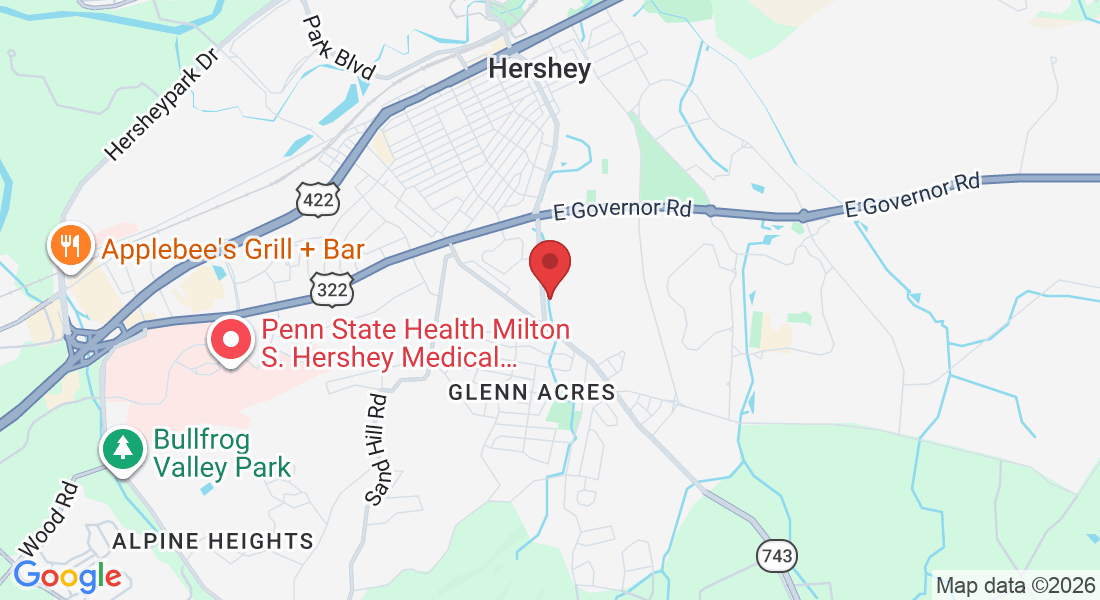
1249 Cocoa Avenue, Suite 190
Hershey, PA 17033
Phone: (717) 882-5888
OFFICE HOURS
By Appointment Only. Call for Availability
GET IN TOUCH
© Copyright 2023. Three Angels Family Practice & Wellness Center | Sitemap | Accessibility
Powered by Cima Growth Solutions
LOCATION
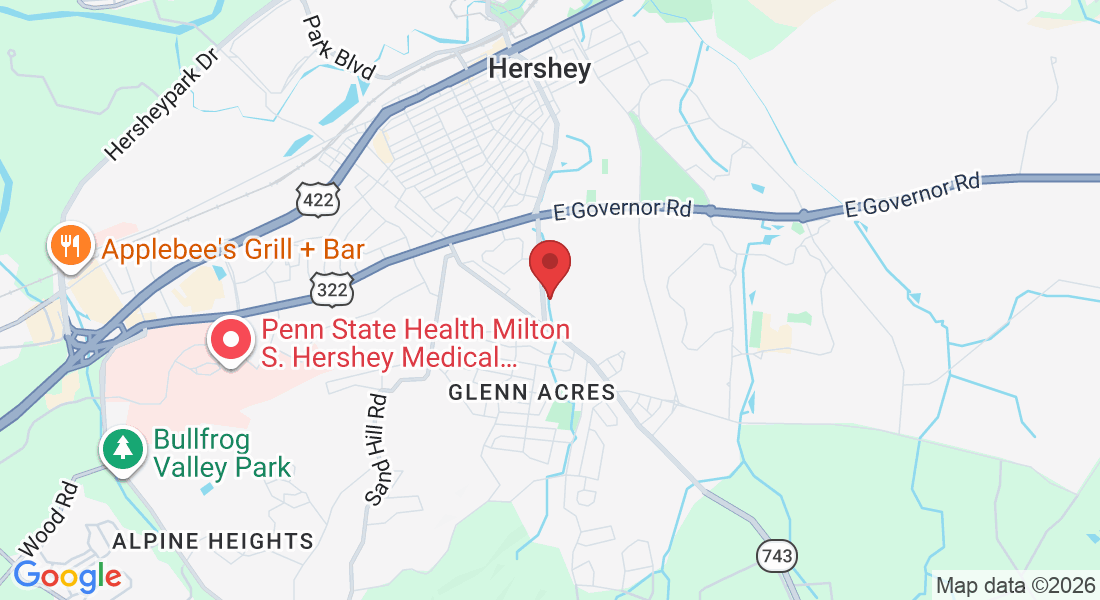
1249 Cocoa Avenue, Suite 190
Hershey, PA 17033
Phone: (717) 882-5888
OFFICE HOURS
By Appointment Only
Call (717) 882-5888
GET IN TOUCH
© Copyright 2023. Three Angels Family Practice & Wellness Center | Sitemap | Accessibility
Powered by Cima Growth Solutions