BLOGS
BLOGS
Osteoporosis: The Silent Disease Women Need to Know About
October is Bone and Joint Health Awareness Month. And if you're a woman over 50, bone health deserves your full attention — not because it's something you'd notice, but precisely because you usually won't. Osteoporosis gives no warning. No pain, no swelling, no signal at all. Just a fall one ordinary day, a broken hip or wrist, and a diagnosis that surprises everyone in the room.
The disease is far more common than most people realize. And the encouraging part: there is a great deal you can do about it — especially when you understand your risk before a fracture changes everything.
What Is Osteoporosis?
The word comes from Latin and Greek roots meaning "porous bones." Osteoporosis is a condition in which bones gradually lose density and structural strength, becoming brittle enough to fracture from a minor fall — or sometimes from something as simple as bending over or sneezing hard.
Your bones are living tissue. Throughout your life, old bone is constantly broken down and replaced by new bone in a process called remodeling. Until your late 20s, your body builds more bone than it loses. After that, the balance shifts. And for women, the transition through menopause accelerates that shift dramatically. Estrogen, which helps protect bone density, drops sharply — and bones can lose mass faster than the body can replace it.
Doctors measure bone density using a test called a DXA scan (dual-energy X-ray absorptiometry — often pronounced "dexa"). It produces a number called a T-score. According to the World Health Organization's criteria, a T-score of –2.5 or lower at the hip or spine indicates osteoporosis. A score between –1.0 and –2.5 is called osteopenia, or low bone mass — a warning sign that your bones are losing ground and that your fracture risk is rising.
How Common Is This, Really?
Very common — and trending in the wrong direction. According to a 2021 CDC National Center for Health Statistics report based on national health survey data, nearly 1 in 5 American women over age 50 has osteoporosis. Among women 65 and older, the number climbs to more than 1 in 4. And osteoporosis prevalence in women increased significantly from 2007–2008 through 2017–2018 — it is not a problem that is getting smaller.
Even more striking: more than half of all women over 50 — 51.5% — have low bone mass, the precursor stage to osteoporosis. That means the majority of older women are on a trajectory that puts them at elevated fracture risk, most of them without knowing it.
What makes this so dangerous is that osteoporosis is usually completely silent until a fracture occurs. There's no pain while bones thin. There's no moment when you feel it happening. For many women, the first sign is a broken bone after what seemed like a minor stumble. Hip fractures, in particular, carry serious consequences: the U.S. Preventive Services Task Force (USPSTF) notes that only 40–60% of people who experience a hip fracture ever fully recover their prefracture level of mobility and ability to perform daily activities.
Who Is at Greatest Risk?
Osteoporosis can affect anyone, but certain factors significantly raise your risk. The USPSTF identifies these as the key risk factors for women:
- Being postmenopausal. The drop in estrogen is the single largest driver of accelerated bone loss in women.
- Low body weight. Women with smaller frames tend to have lower bone mass to begin with, leaving less reserve.
- Family history. A parent who fractured a hip is one of the more predictive risk signals your doctor looks for.
- Cigarette smoking. Smoking reduces bone-forming cells and lowers estrogen levels — a double blow to bone health.
- Excess alcohol use. Heavy drinking interferes directly with bone formation and impairs the body's ability to absorb calcium.
Other important risk factors include:
- Long-term use of corticosteroid medications like prednisone
- A personal history of a previous fracture after age 50
- Rheumatoid arthritis or thyroid disorders
- Low lifetime calcium and vitamin D intake
- A sedentary lifestyle with little weight-bearing physical activity
There's also a geographic factor that's especially relevant here in Central Pennsylvania. At our latitude — Hershey, Hummelstown, Palmyra, Mechanicsburg, and surrounding communities — the sun sits too low in the sky between October and April to trigger meaningful vitamin D production in the skin. Since vitamin D is essential for calcium absorption, years of low vitamin D status can quietly erode bone health even in women who think they're eating well. Getting your vitamin D level checked is a simple step that makes a real difference.
When Should Women Get Screened?
The USPSTF provides evidence-based guidance on osteoporosis screening, and it is straightforward:
- Women 65 and older: Routine bone density testing with a DXA scan is recommended regardless of other risk factors.
- Postmenopausal women younger than 65: If you have one or more of the risk factors listed above, talk with your doctor about using a validated clinical risk assessment tool — such as the FRAX calculator — to estimate your 10-year fracture risk. If that risk is elevated, a DXA scan is recommended.
The American College of Obstetricians and Gynecologists (ACOG) and the American Academy of Family Physicians follow similar guidance. The bottom line is that DXA is the established standard for osteoporosis diagnosis, and the earlier you know where you stand, the more options you have.
If you're not sure whether you've been screened or whether you should be, bring it up at your next annual physical. It's exactly the kind of conversation Dr. Danette J. Joseph, MD — a board-certified family medicine physician — has with patients every week.
What the Research Says About Protecting Your Bones
The encouraging news: bone loss is not inevitable, and there is solid research behind several lifestyle approaches that genuinely help.
Calcium and Vitamin D
These two nutrients are the foundation. A review published in the NIH's National Library of Medicine found that combining calcium and vitamin D can lower fracture risk by 5–15% for all fractures and 13–30% specifically for hip fractures, with the most pronounced benefits in those who are deficient in both. Current guidelines recommend that women over 50 aim for 1,000–1,200 mg of calcium daily from diet and supplements combined. Your doctor can check your vitamin D level and help you understand what's appropriate for your situation — individual needs vary, and this is a conversation worth having at your next visit.
Calcium-rich foods to prioritize: dairy products (milk, yogurt, cheese), leafy greens like kale and bok choy, almonds, canned salmon with bones, and calcium-fortified plant milks and cereals. Food sources are generally preferred over supplements, though supplements can help fill gaps for those who need them.
Weight-Bearing and Resistance Exercise
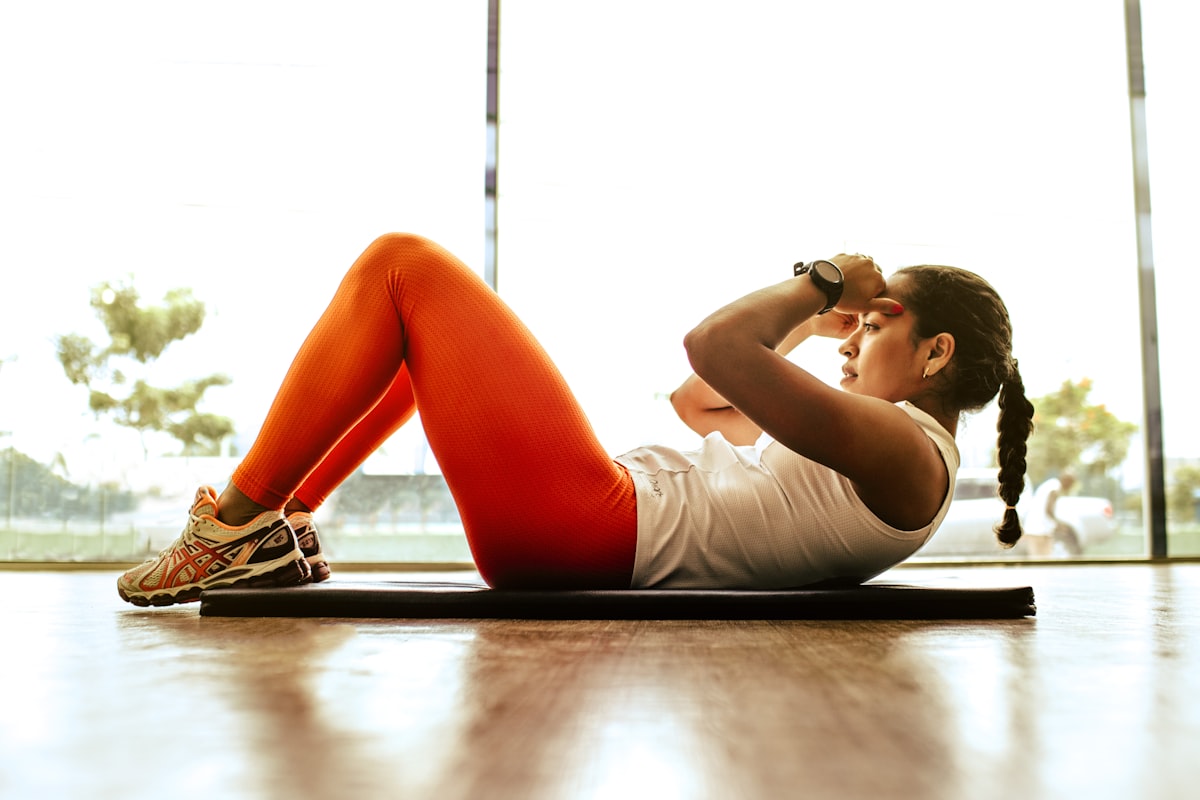
Bones respond to mechanical load — literally, they strengthen in response to the stress placed on them. A 2024 study published in BMC Public Health using data from more than 6,800 individuals found that high-impact exercise significantly reduced the likelihood of developing osteoporosis compared to no exercise at all. Research consistently supports two categories of bone-protective movement:
- Weight-bearing aerobic activity: Walking, stair climbing, jogging, dancing, hiking, Tai Chi — any exercise in which you're holding your body upright against gravity.
- Resistance training: Free weights, resistance bands, machines, or bodyweight exercises like squats and lunges. Progressive resistance training for the lower limbs appears particularly effective for hip bone density.
Walking alone is valuable — it limits bone loss even when it doesn't dramatically build new bone. Adding resistance training and some higher-impact activity makes the combination more effective. If you haven't exercised in a while, starting gradually and building up is the right approach. A physical therapist familiar with osteoporosis can help you identify safe, well-matched movements.
Diet Beyond Calcium
Protein matters, too. When calcium intake is adequate, higher dietary protein is associated with lower fracture risk. Dairy products are particularly valuable because they deliver both calcium and high-quality protein. Research links fermented dairy products — like yogurt and kefir — specifically with lower hip fracture rates. Vegan diets have been associated with increased fracture risk in some studies, largely because of gaps in calcium and protein — worth discussing with your doctor if you follow a plant-based diet.
Fruits and vegetables matter in ways many people don't expect: consuming fewer than 5 servings a day has been linked to higher hip fracture risk. Nutrients like magnesium, potassium, vitamin C, and vitamin K found in plant foods all play supporting roles in bone metabolism. A varied, whole-food diet is genuinely good bone medicine.
Lifestyle Choices That Add Up
Quitting smoking protects bone. Limiting alcohol to moderate levels — no more than one drink per day for women — protects bone. Staying physically active through the winter months, when Central PA residents are tempted to hibernate, protects bone. These aren't abstract wellness suggestions; they have measurable effects on fracture risk over the long term.
How Three Angels Approaches Bone Health
At Three Angels Family Practice & Wellness Center, Dr. Joseph takes an integrative view of bone health that goes beyond simply ordering a bone density test. That means reviewing the full picture: nutrition and dietary patterns, physical activity levels, hormonal health, lab work including vitamin D status, current medications, and personal and family risk history.
If a DXA scan shows osteopenia or osteoporosis, the conversation doesn't stop there. Dr. Joseph's approach to integrative and lifestyle medicine means exploring evidence-based strategies across food, movement, and supplementation alongside any medical interventions that may be appropriate — and always in partnership with you.
Whether you're in Hershey, Elizabethtown, Palmyra, Camp Hill, or any of the communities we serve, bone health is a conversation worth starting at your next visit. This disease is preventable, detectable, and manageable. The key is not waiting until a broken bone makes it urgent.
Talk with Dr. Joseph
If you'd like to discuss bone health and osteoporosis screening with Dr. Danette J. Joseph, our board-certified family medicine physician at Three Angels Family Practice & Wellness Center in Hershey, we're welcoming new patients. We also serve Palmyra, Hummelstown, Mechanicsburg, and Elizabethtown.
Request an appointment online or call (717) 298-1268.
Medical disclaimer: This article is for general educational purposes and does not constitute medical advice, diagnosis, or treatment. Always consult a qualified healthcare provider with questions about a medical condition or before starting, stopping, or changing any treatment. Reading this article does not create a physician-patient relationship with Dr. Danette J. Joseph or Three Angels Family Practice & Wellness Center.
LOCATION
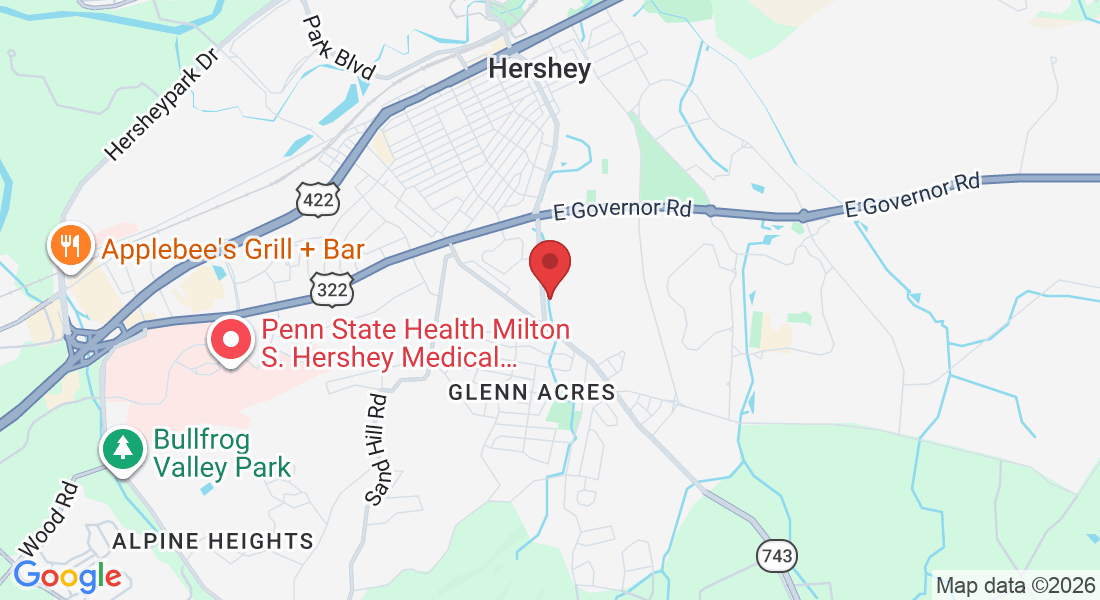
1249 Cocoa Avenue, Suite 190
Hershey, PA 17033
Phone: (717) 882-5888
OFFICE HOURS
By Appointment Only. Call for Availability
GET IN TOUCH
© Copyright 2023. Three Angels Family Practice & Wellness Center | Sitemap | Accessibility
Powered by Cima Growth Solutions
LOCATION
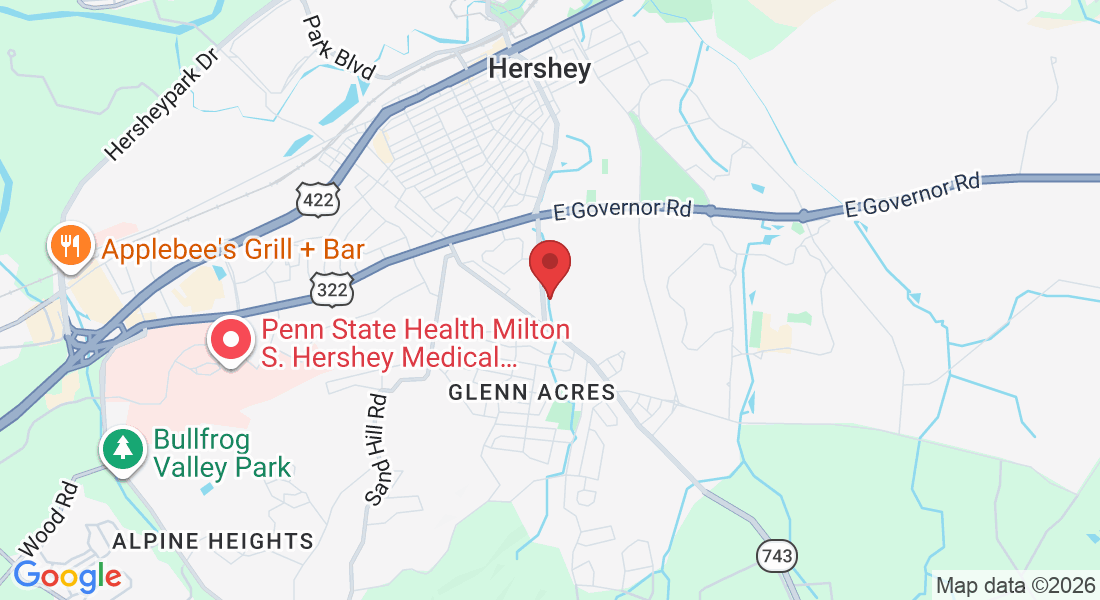
1249 Cocoa Avenue, Suite 190
Hershey, PA 17033
Phone: (717) 882-5888
OFFICE HOURS
By Appointment Only
Call (717) 882-5888
GET IN TOUCH
© Copyright 2023. Three Angels Family Practice & Wellness Center | Sitemap | Accessibility
Powered by Cima Growth Solutions