BLOGS
BLOGS

Elderberry, Zinc, and Vitamin C: What the Science Shows
Cold Season Is Here — and the Supplement Aisle Is Packed
November in Central Pennsylvania brings cold winds, school bugs, and crowded pharmacy shelves. If you've stood in that supplement aisle wondering whether the elderberry syrup, zinc lozenges, or vitamin C tablets are actually worth it — you're not alone. These are some of the most common questions Dr. Danette J. Joseph, MD hears at Three Angels Family Practice & Wellness Center in Hershey every fall.
The honest answer is: some of these remedies have real evidence behind them, some have been overhyped, and a few come with safety caveats worth knowing. This guide walks through each one — what it is, what the research actually shows, and how it fits into an integrative approach to staying healthy this season.
First: Why Natural Remedies Matter in Integrative Medicine
At Three Angels, the approach to medicine is integrative — which means combining the best of conventional medicine with well-studied natural and lifestyle approaches. That doesn't mean treating herbs like magic, and it doesn't mean dismissing them either. It means asking the same question we ask about any treatment: What does the evidence say?
With cold and flu remedies, that question matters especially because over-the-counter cold medications are largely not recommended for children under 12, and their benefits in adults are modest at best. Meanwhile, a few natural options have genuine research support — when used correctly.
So let's look at the evidence on the four you're most likely to reach for.
Elderberry (Sambucus nigra): Promising, With Caveats
Black elderberry has been used for centuries as a folk remedy for cold and flu. What does modern research show?
A 2019 systematic review and meta-analysis published in Complementary Medicine Research pooled results from multiple clinical studies and found that elderberry supplementation substantially reduced upper respiratory symptom duration — including symptoms from both colds and influenza — compared to placebo. The analysis found average reductions in symptom duration of roughly 2 to 4 days when elderberry was taken after symptom onset.
How might it work? Elderberries are rich in anthocyanins — the deep-purple plant pigments that act as antioxidants and may also interfere with how certain viruses attach to and enter human cells. Laboratory studies have demonstrated direct antiviral properties against influenza strains, though lab results don't always translate cleanly to the human body.
Here's the important nuance: elderberry does not appear to prevent infection. A 2021 systematic review found no strong evidence that taking elderberry before you're sick meaningfully lowers your risk of getting sick. Where it may help is in shortening how long you feel awful once a cold or flu has already started.
What to know before using it:
- Raw, unripe elderberries contain compounds that can cause nausea and vomiting — only use commercially prepared standardized products.
- People with autoimmune conditions should speak with their physician before using elderberry, as it may stimulate immune activity.
- There is no established safe dosing for infants — always check with your child's provider.
Zinc: The Most Evidence-Backed Option
Of all the natural cold remedies, zinc lozenges have the strongest and most consistent clinical evidence for shortening cold duration.
A 2024 Cochrane review — Cochrane is considered the gold standard for evidence-based medicine — analyzed 8 randomized controlled trials and found that zinc taken at the onset of cold symptoms may reduce the duration of a cold by approximately 2 days compared to placebo. That may not sound dramatic, but when you're dragging through a week of sniffles, two days matters.
An earlier meta-analysis by researcher Harri Hemilä (2017) found that the effect is dose-dependent: high-dose zinc lozenges (80–92 mg/day) shortened cold duration by approximately 33% across seven trials. The key word is "lozenges" — zinc in lozenge form, dissolved slowly in the mouth, appears to work differently than swallowed tablets or capsules. The zinc ions need to stay in contact with the oral and throat tissues where rhinovirus (the most common cold virus) replicates.
Timing is also critical. Studies show benefit primarily when zinc is started within 24 hours of the first symptom. Waiting until day three is unlikely to help much.
Common side effects include nausea and an unpleasant metallic taste — taking zinc with food may help with nausea. High doses of zinc taken for extended periods can also interfere with copper absorption, which is why zinc is best used for short-term treatment of an active cold, not as a year-round supplement at high doses.
As for prevention: zinc supplements may have little to no effect on preventing colds in otherwise healthy adults, according to the same 2024 Cochrane review. Where zinc truly shines is treatment — early, in lozenge form.
Vitamin C: Good for Duration, Not Prevention
The idea that vitamin C prevents colds is one of the most enduring myths in popular nutrition. Dr. Linus Pauling popularized it in the 1970s, and it has been tested extensively since. The verdict from the evidence is more nuanced than either "it works" or "it's useless."
A landmark 2013 Cochrane review (Hemilä & Chalker) analyzed 29 trials involving over 11,000 participants and reached two important conclusions:
- Regular vitamin C supplementation (200 mg or more per day) does NOT meaningfully prevent colds in the general population. Taking vitamin C year-round will not keep you from getting sick.
- Regular supplementation does modestly reduce cold duration — by about 8% in adults and 14% in children. That translates to roughly half a day shorter for adults, and about a full day shorter for kids.
What about loading up on vitamin C once you're already sick? The evidence for that is weaker. Most studies show minimal additional benefit from high doses taken after symptom onset, beyond what you'd get from daily supplementation.
The NIH Office of Dietary Supplements confirms that vitamin C plays an important role in immune cell function — white blood cells (leukocytes) maintain notably high concentrations of vitamin C, and adequate intake supports their ability to find and destroy pathogens. This is likely why consistent, adequate vitamin C intake matters, rather than sporadic mega-dosing.
The practical takeaway: getting your vitamin C from whole foods consistently is better than flood-dosing from supplements. Excellent food sources include red bell peppers (95 mg per half cup — more than an orange), citrus fruits, kiwi, broccoli, and strawberries. Eating a colorful diet through the fall and winter is one of the best immune-support strategies available.
Honey: Underrated and Surprisingly Well-Studied
Honey might be the most underrated item on this list — and one of the most evidence-supported, specifically for cough.
Researchers at Oxford University published a 2020 systematic review and meta-analysis in BMJ Evidence-Based Medicine comparing honey to usual care (which included antibiotics and over-the-counter cough medications) for upper respiratory tract infections. Honey was significantly more effective than usual care at reducing cough frequency and severity. It was 36% more effective at treating cough and 44% better at reducing cough severity.
A Cochrane review of 6 studies involving 899 children ages 1 to 16 found that honey reduced cough frequency compared to no treatment and compared to placebo. The same review noted improvements in sleep quality for children with nighttime cough — which is a real quality-of-life win for the whole household.
How does it work? Honey has antimicrobial, anti-inflammatory, and soothing properties. Its viscosity coats the throat, its antioxidants may reduce local inflammation, and certain types of honey (such as buckwheat) also have documented antimicrobial activity.
One critical safety note: never give honey to infants under 12 months of age. Honey can contain spores of Clostridium botulinum, and infant digestive systems cannot safely neutralize them. Infant botulism is rare but serious. For everyone over age 1, however, honey appears to be a safe, inexpensive, and genuinely helpful option for cough.
What the Evidence Doesn't Cover
A few popular supplements have much weaker or inconsistent evidence. Echinacea has been studied extensively, but results are contradictory — some trials show modest benefit, others show none. Garlic extracts have antimicrobial properties in the lab, but human trial data for cold prevention remains limited. Probiotics show promise for reducing upper respiratory infection frequency, but most studies are small and results vary by strain.
This doesn't mean these options are harmful — most are safe for healthy adults when used as directed. It means the evidence base simply isn't strong enough yet to make specific recommendations, and that's worth knowing so you can make informed decisions.
Practical Immune Support for a Central PA Winter
Beyond supplements, the lifestyle habits with the strongest evidence for immune resilience are ones you've heard before — but they bear repeating because they genuinely work:
- Sleep. Adults who sleep fewer than 6 hours per night are significantly more susceptible to colds than those who sleep 7 or more hours, according to a study published in Sleep.
- Handwashing. Still the single most effective measure for preventing respiratory virus transmission, according to the CDC.
- Flu vaccination. If you haven't gotten your flu shot yet this season, it's not too late. Cold season in Hershey, Hummelstown, Harrisburg, and the surrounding communities typically runs through March.
- Vitamin D. Central PA residents are at meaningful risk of vitamin D insufficiency through the winter months (covered in a recent post), and vitamin D plays an important role in immune regulation.
- Movement. Moderate, regular exercise is consistently associated with fewer and shorter upper respiratory infections in the research literature.
When to Call the Doctor
Natural remedies are most appropriate for mild cold symptoms in otherwise healthy people. Reach out to your provider if you or a family member experience:
- Fever above 103°F in adults, or any fever in an infant under 3 months
- Symptoms that worsen significantly after day 3 or don't improve by day 10
- Difficulty breathing or shortness of breath
- Severe sore throat, especially with white patches on the tonsils (possible strep)
- Ear pain or sinus pressure that is severe or worsening
- A child who is unusually lethargic, not drinking fluids, or having trouble breathing
These symptoms may indicate something that needs medical evaluation — bacterial superinfection, influenza requiring antiviral treatment, or another condition that won't respond to honey and zinc.
Talk with Dr. Joseph
If you'd like to discuss natural cold and flu support with Dr. Danette J. Joseph, MD — our board-certified family medicine physician at Three Angels Family Practice & Wellness Center in Hershey, PA — we're welcoming new patients. We also serve families in Hummelstown, Palmyra, Harrisburg, Mechanicsburg, Middletown, and surrounding communities throughout Central PA.
Our integrative approach means we're comfortable talking through what the evidence shows about natural remedies alongside conventional care — no question is too basic, and there's no judgment if the elderberry syrup is already in your cabinet.
Request an appointment online or call us at (717) 298-1268.
Medical disclaimer: This article is for general educational purposes and does not constitute medical advice, diagnosis, or treatment. Always consult a qualified healthcare provider with questions about a medical condition or before starting, stopping, or changing any treatment or supplement regimen. Reading this article does not create a physician-patient relationship with Dr. Danette J. Joseph, MD or Three Angels Family Practice & Wellness Center.
LOCATION
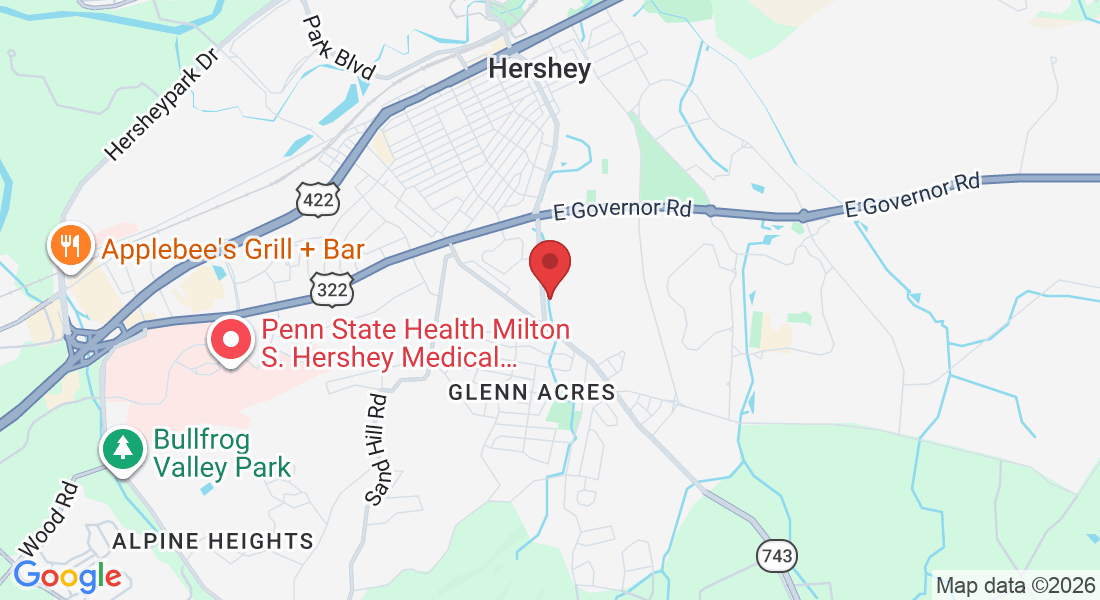
1249 Cocoa Avenue, Suite 190
Hershey, PA 17033
Phone: (717) 882-5888
OFFICE HOURS
By Appointment Only. Call for Availability
GET IN TOUCH
© Copyright 2023. Three Angels Family Practice & Wellness Center | Sitemap | Accessibility
Powered by Cima Growth Solutions
LOCATION
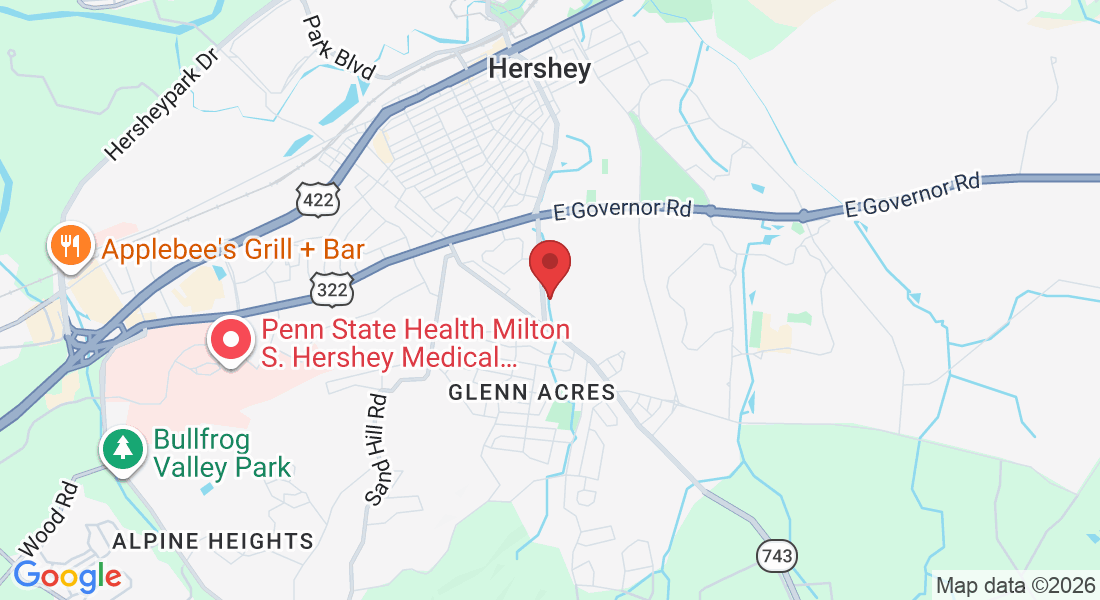
1249 Cocoa Avenue, Suite 190
Hershey, PA 17033
Phone: (717) 882-5888
OFFICE HOURS
By Appointment Only
Call (717) 882-5888
GET IN TOUCH
© Copyright 2023. Three Angels Family Practice & Wellness Center | Sitemap | Accessibility
Powered by Cima Growth Solutions