BLOGS
BLOGS

Lyme Disease in Central PA: Spot It Early, Stay Safe
Memorial Day weekend is here, and so is the start of tick season in Central Pennsylvania. If you're planning to hike the Swatara State Park trails, tend your garden in Hummelstown, or let the kids play in the yard in Hershey or Palmyra, that's wonderful — just take a few extra minutes before you head back inside. Because right now, the blacklegged tick is at its most active and its most dangerous.
Lyme disease is the most common tick-borne illness in the United States, and Pennsylvania sits at the epicenter of the epidemic. Understanding what Lyme disease looks like, how it spreads, and what you can do to stop it before it starts is one of the most practical things you can do for your family's health this spring.
This post is for anyone spending time outdoors in the Hershey area — hikers, gardeners, parents, runners, and anyone who simply enjoys being outside. Dr. Danette J. Joseph, MD, board-certified in family medicine at Three Angels Family Practice & Wellness Center, shares what her patients need to know.
What Is Lyme Disease?
Lyme disease is a bacterial infection caused by Borrelia burgdorferi, a spiral-shaped bacterium spread through the bite of an infected blacklegged tick — also called a deer tick (Ixodes scapularis). The tick picks up the bacteria when it feeds on infected animals like white-footed mice, then passes it on when it bites a human or pet.
The good news: the tick has to be attached to your skin for at least 36 hours before it can transmit the bacteria. That means prompt tick removal after spending time outdoors can significantly lower your risk. The challenge is that blacklegged ticks — especially the nymphal (young) form — are tiny, often no bigger than a poppy seed, making them easy to miss.
A key fact many people don't know: you don't have to walk through deep forest to encounter an infected tick. Research from the Pennsylvania Tick Research Lab found that 54 percent of tick exposures were reported from backyards during everyday activities like playing or doing yard work.
Why Central Pennsylvania Is High-Risk Territory
Pennsylvania isn't just a high-risk state — it's the highest-risk state in the country. CDC data show Pennsylvania accounts for approximately 29.2 percent of all Lyme disease cases reported nationally, more than any other state.
The 2026 Pennsylvania Department of Health Health Alert Network advisory reported that 16,624 Lyme disease cases were confirmed in Pennsylvania in 2024 — an incidence rate of 128.3 cases per 100,000 people. The same advisory confirmed that blacklegged ticks infected with B. burgdorferi have now been documented in all 67 Pennsylvania counties.
Timing matters, too. Fifty-three percent of Pennsylvania's Lyme cases are reported between May and August, which tracks directly with the activity of nymphal ticks — the life stage most likely to bite people. From late May through late July, nymphal ticks are feeding actively, and statewide testing has found that roughly 29.2 percent of them carry B. burgdorferi. That's about one in every three nymphs.
If you live in or near Hershey, Harrisburg, Mechanicsburg, Campbelltown, Middletown, or any of the surrounding communities in Central PA, your risk is real and it's worth taking seriously.
Signs and Symptoms: Three Stages You Should Know
Lyme disease progresses in stages. Catching it in Stage 1 — within the first days to a few weeks — gives you the best chance at a full, uncomplicated recovery.
Stage 1: Early Localized (Days to About a Month After a Bite)
The hallmark of Stage 1 is an expanding skin rash called erythema migrans (EM). Here's something important: the most common Lyme rash is NOT a classic bull's-eye. According to the Johns Hopkins Lyme Disease Research Center, the most common presentation is a uniformly red, round or oval rash that expands to more than two inches in diameter over days to weeks — not hours. It won't fade quickly like a regular bug bite.
Early symptoms alongside the rash often look like a summer flu:
- Fever and chills
- Fatigue and malaise
- Headache
- Muscle soreness and joint pain
- Swollen lymph nodes
- Stiff neck
Johns Hopkins researchers note that Lyme disease is not associated with a runny nose or prominent cough — those point more toward a cold or seasonal allergies. If you have a summer flu without cold symptoms, especially after spending time outdoors, that's a signal worth mentioning to your doctor.
Stage 2: Early Disseminated (Weeks to Months After the Bite)
If the infection isn't caught and treated in Stage 1, the bacteria can spread through the bloodstream. Stage 2 symptoms can include:
- Multiple expanding rashes on different parts of the body
- Facial palsy — drooping or weakness on one or both sides of the face
- Heart palpitations or an irregular heartbeat (Lyme carditis)
- Nerve pain, numbness, or tingling in the arms and legs
- Severe headache and neck stiffness (signs of meningitis)
Facial palsy in particular — sudden weakness or drooping on one side of the face — can look alarming. If you or someone in your family develops this, especially after a possible tick exposure, seek medical care promptly.
Stage 3: Late Disseminated (Months to Years After the Bite)
Untreated or inadequately treated Lyme disease can settle into joints and the nervous system. Harvard Medical School's Lyme Disease Resource Center lists late-stage symptoms including:
- Arthritis, most often in one large joint — particularly the knee — that can come and go
- Brain fog, difficulty concentrating, and memory issues
- Peripheral neuropathy (burning, tingling, or stabbing sensations in the hands and feet)
- Sleep disturbances and mood changes
Late Lyme disease is harder to treat and can be more disruptive to daily life. This is why early recognition matters so much.
What the Research Says About Diagnosis
If you suspect Lyme disease, your doctor will likely start with a clinical assessment — looking at your rash and symptoms, and asking about recent outdoor exposure. According to the 2020 IDSA/AAN/ACR Lyme Disease Guidelines as summarized in American Family Physician: if you have a rash typical of erythema migrans and you've been in an endemic area, treatment can begin based on clinical findings — lab tests are not always required in that scenario.
When blood testing is ordered, the CDC recommends a two-step process using two separate antibody tests from the same blood sample. One important caveat: antibodies can take four to six weeks after a bite to become detectable. An early test may come back negative even if you are infected. If your symptoms persist or worsen after an initial negative result, follow up with your provider for repeat testing.
One thing doctors do not recommend: sending the tick itself to be tested. The CDC and IDSA both advise against tick testing as a diagnostic tool — results can be misleading and often arrive after symptoms are already developing.
What You Can Do to Prevent Lyme Disease
Prevention is the most powerful tool you have. The 2020 IDSA/AAN/ACR guidelines recommend a layered approach:
- Use EPA-registered repellents. DEET, picaridin, oil of lemon eucalyptus, and IR3535 are safe and effective options for skin. Permethrin can be applied to clothing and gear (not directly on skin) and remains effective through multiple washes.
- Dress protectively. Wear light-colored clothing so crawling ticks are easier to spot. Tuck your pants into your socks and your shirt into your pants when in wooded or grassy areas.
- Do a full-body tick check after every outing. Pay special attention to hidden spots: armpits, groin, behind the knees, in the hair, and around the ears. Check children carefully, including the scalp.
- Shower within two hours of coming inside. A shower helps you find unattached ticks before they embed — and it's a habit worth building every time you come in from outdoors.
- Dry clothes on high heat for at least one hour. Ticks can survive a wash cycle, but high heat kills them.
- Check your pets. Dogs and cats can carry ticks into the home. Talk to your veterinarian about tick prevention products for pets.
If you find an attached tick: Use clean, fine-tipped tweezers. Grasp the tick as close to the skin surface as possible and pull upward with steady, even pressure. Don't twist, crush, or apply Vaseline, heat, or nail polish. After removal, clean the area with rubbing alcohol or soap and water, and note the date. Monitor the site and your symptoms for 30 days.
When to See Your Doctor
Don't wait and wonder. Contact Three Angels Family Practice or another healthcare provider if:
- You find a tick that appears to have been attached for more than 24 hours, especially if you're in Central PA or another Lyme-endemic area
- You develop an expanding red rash — even without a bull's-eye pattern — within a month of a tick bite or outdoor exposure
- You have summer flu symptoms (fever, fatigue, muscle aches, headache) without a runny nose or cough, especially after time outdoors
- You notice one-sided facial drooping, heart palpitations, or numbness in the limbs following outdoor activity
Early Lyme disease responds very well to a standard course of oral antibiotics. The goal — always — is to treat it before the bacteria can spread beyond the initial infection site.
It's also worth knowing that the CDC reports that a small percentage of patients — roughly 5 to 10 percent — continue to experience fatigue, body aches, or cognitive difficulties for months after completing antibiotic treatment. If you're dealing with lingering symptoms after treatment, your provider can help evaluate all possible causes and develop a plan that supports your recovery.
How Three Angels Family Practice Approaches Lyme Disease
At Three Angels Family Practice & Wellness Center in Hershey, Dr. Joseph takes both the conventional and integrative view seriously. That means staying current with the latest clinical guidelines for diagnosis and treatment — and also looking at the whole picture of a patient's health, including how their immune system, lifestyle, and environment factor in.
Whether you're coming in because you found an attached tick and want guidance, you've developed a rash, or you've been treated elsewhere and are still not feeling right, Dr. Joseph is here to listen, evaluate, and partner with you on next steps. She serves patients throughout Central PA — including Harrisburg, Mechanicsburg, Campbelltown, Middletown, and Elizabethtown — and welcomes new patients.
May is Lyme Disease Awareness Month. Don't let a tick bite become a complicated, drawn-out illness. A little prevention and prompt attention go a long way.
Talk with Dr. Joseph
If you'd like to discuss Lyme disease prevention or a tick bite concern with Dr. Danette J. Joseph, our board-certified family medicine physician at Three Angels Family Practice & Wellness Center in Hershey, PA, we're welcoming new patients. We also serve Harrisburg, Mechanicsburg, Campbelltown, and Middletown.
Request an appointment online or call (717) 298-1268.
Medical disclaimer: This article is for general educational purposes and does not constitute medical advice, diagnosis, or treatment. Always consult a qualified healthcare provider with questions about a medical condition or before starting, stopping, or changing any treatment. Reading this article does not create a physician-patient relationship with Dr. Danette J. Joseph or Three Angels Family Practice & Wellness Center.

Lyme Disease in Central PA: Spot It Early, Stay Safe
Memorial Day weekend is here, and so is the start of tick season in Central Pennsylvania. If you're planning to hike the Swatara State Park trails, tend your garden in Hummelstown, or let the kids play in the yard in Hershey or Palmyra, that's wonderful — just take a few extra minutes before you head back inside. Because right now, the blacklegged tick is at its most active and its most dangerous.
Lyme disease is the most common tick-borne illness in the United States, and Pennsylvania sits at the epicenter of the epidemic. Understanding what Lyme disease looks like, how it spreads, and what you can do to stop it before it starts is one of the most practical things you can do for your family's health this spring.
This post is for anyone spending time outdoors in the Hershey area — hikers, gardeners, parents, runners, and anyone who simply enjoys being outside. Dr. Danette J. Joseph, MD, board-certified in family medicine at Three Angels Family Practice & Wellness Center, shares what her patients need to know.
What Is Lyme Disease?
Lyme disease is a bacterial infection caused by Borrelia burgdorferi, a spiral-shaped bacterium spread through the bite of an infected blacklegged tick — also called a deer tick (Ixodes scapularis). The tick picks up the bacteria when it feeds on infected animals like white-footed mice, then passes it on when it bites a human or pet.
The good news: the tick has to be attached to your skin for at least 36 hours before it can transmit the bacteria. That means prompt tick removal after spending time outdoors can significantly lower your risk. The challenge is that blacklegged ticks — especially the nymphal (young) form — are tiny, often no bigger than a poppy seed, making them easy to miss.
A key fact many people don't know: you don't have to walk through deep forest to encounter an infected tick. Research from the Pennsylvania Tick Research Lab found that 54 percent of tick exposures were reported from backyards during everyday activities like playing or doing yard work.
Why Central Pennsylvania Is High-Risk Territory
Pennsylvania isn't just a high-risk state — it's the highest-risk state in the country. CDC data show Pennsylvania accounts for approximately 29.2 percent of all Lyme disease cases reported nationally, more than any other state.
The 2026 Pennsylvania Department of Health Health Alert Network advisory reported that 16,624 Lyme disease cases were confirmed in Pennsylvania in 2024 — an incidence rate of 128.3 cases per 100,000 people. The same advisory confirmed that blacklegged ticks infected with B. burgdorferi have now been documented in all 67 Pennsylvania counties.
Timing matters, too. Fifty-three percent of Pennsylvania's Lyme cases are reported between May and August, which tracks directly with the activity of nymphal ticks — the life stage most likely to bite people. From late May through late July, nymphal ticks are feeding actively, and statewide testing has found that roughly 29.2 percent of them carry B. burgdorferi. That's about one in every three nymphs.
If you live in or near Hershey, Harrisburg, Mechanicsburg, Campbelltown, Middletown, or any of the surrounding communities in Central PA, your risk is real and it's worth taking seriously.
Signs and Symptoms: Three Stages You Should Know
Lyme disease progresses in stages. Catching it in Stage 1 — within the first days to a few weeks — gives you the best chance at a full, uncomplicated recovery.
Stage 1: Early Localized (Days to About a Month After a Bite)
The hallmark of Stage 1 is an expanding skin rash called erythema migrans (EM). Here's something important: the most common Lyme rash is NOT a classic bull's-eye. According to the Johns Hopkins Lyme Disease Research Center, the most common presentation is a uniformly red, round or oval rash that expands to more than two inches in diameter over days to weeks — not hours. It won't fade quickly like a regular bug bite.
Early symptoms alongside the rash often look like a summer flu:
- Fever and chills
- Fatigue and malaise
- Headache
- Muscle soreness and joint pain
- Swollen lymph nodes
- Stiff neck
Johns Hopkins researchers note that Lyme disease is not associated with a runny nose or prominent cough — those point more toward a cold or seasonal allergies. If you have a summer flu without cold symptoms, especially after spending time outdoors, that's a signal worth mentioning to your doctor.
Stage 2: Early Disseminated (Weeks to Months After the Bite)
If the infection isn't caught and treated in Stage 1, the bacteria can spread through the bloodstream. Stage 2 symptoms can include:
- Multiple expanding rashes on different parts of the body
- Facial palsy — drooping or weakness on one or both sides of the face
- Heart palpitations or an irregular heartbeat (Lyme carditis)
- Nerve pain, numbness, or tingling in the arms and legs
- Severe headache and neck stiffness (signs of meningitis)
Facial palsy in particular — sudden weakness or drooping on one side of the face — can look alarming. If you or someone in your family develops this, especially after a possible tick exposure, seek medical care promptly.
Stage 3: Late Disseminated (Months to Years After the Bite)
Untreated or inadequately treated Lyme disease can settle into joints and the nervous system. Harvard Medical School's Lyme Disease Resource Center lists late-stage symptoms including:
- Arthritis, most often in one large joint — particularly the knee — that can come and go
- Brain fog, difficulty concentrating, and memory issues
- Peripheral neuropathy (burning, tingling, or stabbing sensations in the hands and feet)
- Sleep disturbances and mood changes
Late Lyme disease is harder to treat and can be more disruptive to daily life. This is why early recognition matters so much.
What the Research Says About Diagnosis
If you suspect Lyme disease, your doctor will likely start with a clinical assessment — looking at your rash and symptoms, and asking about recent outdoor exposure. According to the 2020 IDSA/AAN/ACR Lyme Disease Guidelines as summarized in American Family Physician: if you have a rash typical of erythema migrans and you've been in an endemic area, treatment can begin based on clinical findings — lab tests are not always required in that scenario.
When blood testing is ordered, the CDC recommends a two-step process using two separate antibody tests from the same blood sample. One important caveat: antibodies can take four to six weeks after a bite to become detectable. An early test may come back negative even if you are infected. If your symptoms persist or worsen after an initial negative result, follow up with your provider for repeat testing.
One thing doctors do not recommend: sending the tick itself to be tested. The CDC and IDSA both advise against tick testing as a diagnostic tool — results can be misleading and often arrive after symptoms are already developing.
What You Can Do to Prevent Lyme Disease
Prevention is the most powerful tool you have. The 2020 IDSA/AAN/ACR guidelines recommend a layered approach:
- Use EPA-registered repellents. DEET, picaridin, oil of lemon eucalyptus, and IR3535 are safe and effective options for skin. Permethrin can be applied to clothing and gear (not directly on skin) and remains effective through multiple washes.
- Dress protectively. Wear light-colored clothing so crawling ticks are easier to spot. Tuck your pants into your socks and your shirt into your pants when in wooded or grassy areas.
- Do a full-body tick check after every outing. Pay special attention to hidden spots: armpits, groin, behind the knees, in the hair, and around the ears. Check children carefully, including the scalp.
- Shower within two hours of coming inside. A shower helps you find unattached ticks before they embed — and it's a habit worth building every time you come in from outdoors.
- Dry clothes on high heat for at least one hour. Ticks can survive a wash cycle, but high heat kills them.
- Check your pets. Dogs and cats can carry ticks into the home. Talk to your veterinarian about tick prevention products for pets.
If you find an attached tick: Use clean, fine-tipped tweezers. Grasp the tick as close to the skin surface as possible and pull upward with steady, even pressure. Don't twist, crush, or apply Vaseline, heat, or nail polish. After removal, clean the area with rubbing alcohol or soap and water, and note the date. Monitor the site and your symptoms for 30 days.
When to See Your Doctor
Don't wait and wonder. Contact Three Angels Family Practice or another healthcare provider if:
- You find a tick that appears to have been attached for more than 24 hours, especially if you're in Central PA or another Lyme-endemic area
- You develop an expanding red rash — even without a bull's-eye pattern — within a month of a tick bite or outdoor exposure
- You have summer flu symptoms (fever, fatigue, muscle aches, headache) without a runny nose or cough, especially after time outdoors
- You notice one-sided facial drooping, heart palpitations, or numbness in the limbs following outdoor activity
Early Lyme disease responds very well to a standard course of oral antibiotics. The goal — always — is to treat it before the bacteria can spread beyond the initial infection site.
It's also worth knowing that the CDC reports that a small percentage of patients — roughly 5 to 10 percent — continue to experience fatigue, body aches, or cognitive difficulties for months after completing antibiotic treatment. If you're dealing with lingering symptoms after treatment, your provider can help evaluate all possible causes and develop a plan that supports your recovery.
How Three Angels Family Practice Approaches Lyme Disease
At Three Angels Family Practice & Wellness Center in Hershey, Dr. Joseph takes both the conventional and integrative view seriously. That means staying current with the latest clinical guidelines for diagnosis and treatment — and also looking at the whole picture of a patient's health, including how their immune system, lifestyle, and environment factor in.
Whether you're coming in because you found an attached tick and want guidance, you've developed a rash, or you've been treated elsewhere and are still not feeling right, Dr. Joseph is here to listen, evaluate, and partner with you on next steps. She serves patients throughout Central PA — including Harrisburg, Mechanicsburg, Campbelltown, Middletown, and Elizabethtown — and welcomes new patients.
May is Lyme Disease Awareness Month. Don't let a tick bite become a complicated, drawn-out illness. A little prevention and prompt attention go a long way.
Talk with Dr. Joseph
If you'd like to discuss Lyme disease prevention or a tick bite concern with Dr. Danette J. Joseph, our board-certified family medicine physician at Three Angels Family Practice & Wellness Center in Hershey, PA, we're welcoming new patients. We also serve Harrisburg, Mechanicsburg, Campbelltown, and Middletown.
Request an appointment online or call (717) 298-1268.
Medical disclaimer: This article is for general educational purposes and does not constitute medical advice, diagnosis, or treatment. Always consult a qualified healthcare provider with questions about a medical condition or before starting, stopping, or changing any treatment. Reading this article does not create a physician-patient relationship with Dr. Danette J. Joseph or Three Angels Family Practice & Wellness Center.
LOCATION
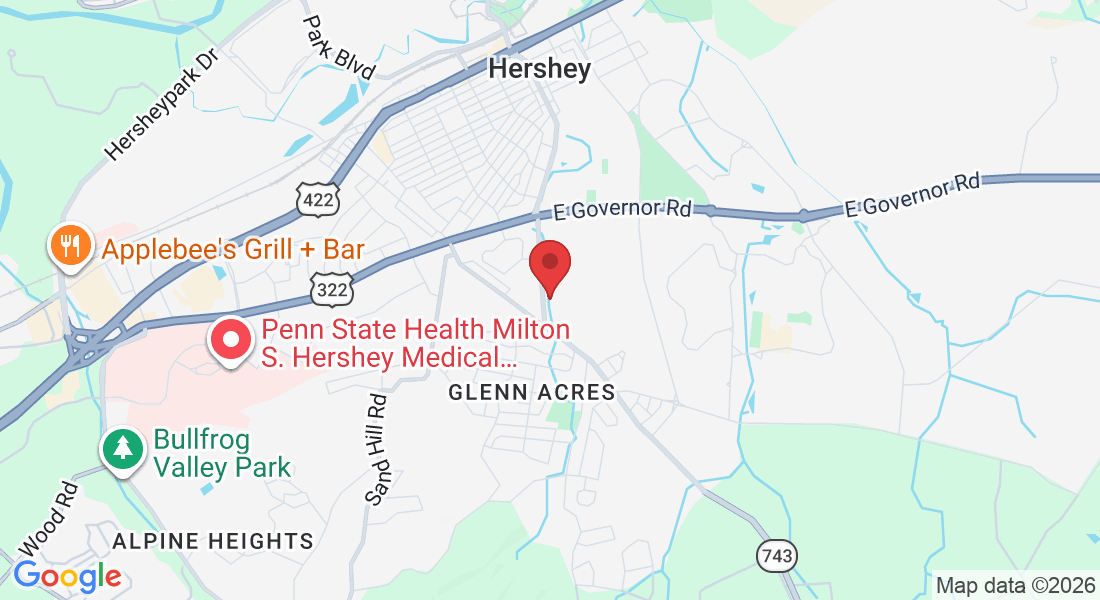
1249 Cocoa Avenue, Suite 190
Hershey, PA 17033
Phone: (717) 882-5888
OFFICE HOURS
By Appointment Only. Call for Availability
GET IN TOUCH
© Copyright 2023. Three Angels Family Practice & Wellness Center | Sitemap | Accessibility
Powered by Cima Growth Solutions
LOCATION
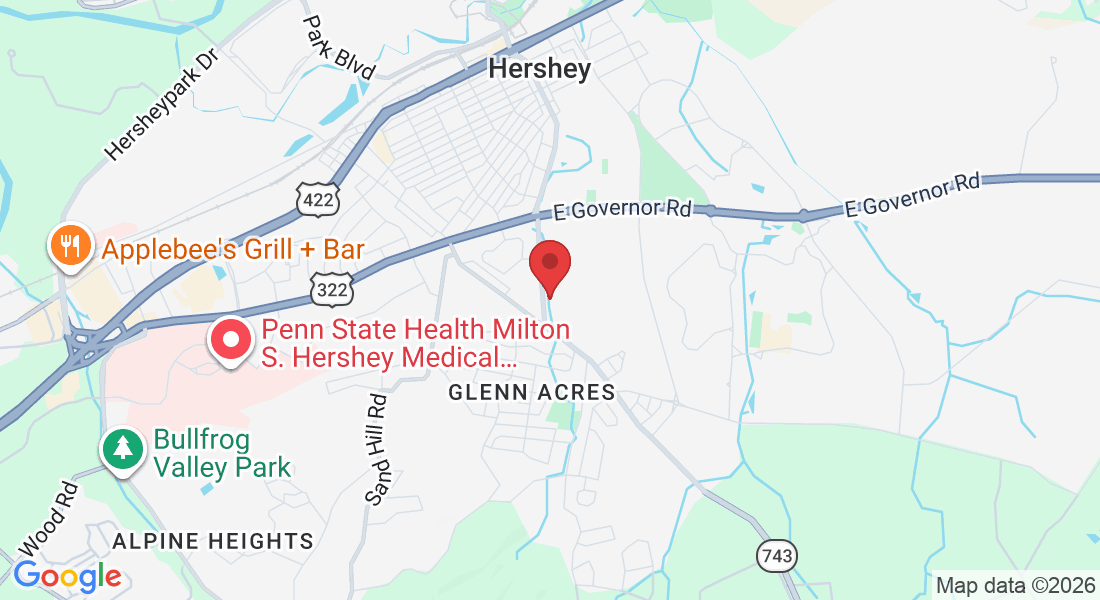
1249 Cocoa Avenue, Suite 190
Hershey, PA 17033
Phone: (717) 882-5888
OFFICE HOURS
By Appointment Only
Call (717) 882-5888
GET IN TOUCH
© Copyright 2023. Three Angels Family Practice & Wellness Center | Sitemap | Accessibility
Powered by Cima Growth Solutions