
BLOGS
BLOGS

Lyme Disease in Central PA: How to Spot It Early
Memorial Day weekend is the unofficial start of summer in Central Pennsylvania — and the start of peak tick season. Families in Hershey, Hummelstown, Palmyra, and across Dauphin and Cumberland counties are heading outside to hike, garden, and play. If you live here and spend time outdoors, understanding Lyme disease is one of the most practical things you can do for your health this summer.
Below, Dr. Danette J. Joseph, MD, a board-certified family medicine physician at Three Angels Family Practice & Wellness Center in Hershey, walks through what Lyme disease is, how to recognize it early, how to protect your family, and when to call us.
What Is Lyme Disease?
Lyme disease is a bacterial infection caused by Borrelia burgdorferi, a corkscrew-shaped bacterium (called a spirochete) carried by blacklegged ticks — also called deer ticks. In Pennsylvania, the blacklegged tick (Ixodes scapularis) is the only tick species that transmits Lyme disease, and it is the most common tick in our state.
The tick doesn't transmit the bacteria instantly. Research shows it typically needs to be attached and feeding for 36 to 48 hours before Borrelia burgdorferi passes into your bloodstream. That's the good news. The harder news: nymphal ticks — the juvenile stage most active right now, from late May through July — are about the size of a poppy seed. Many people never notice them.
Lyme disease progresses through three stages if left untreated: early localized (bacteria near the bite site), early disseminated (bacteria spreading to other body systems), and late disseminated (bacteria affecting joints, the heart, or the nervous system). Early treatment is highly effective. Later-stage Lyme is more complex to manage.
Why Central Pennsylvania Is High-Risk Territory
This isn't scare talk — the numbers are striking. Pennsylvania accounts for roughly 29% of all Lyme disease cases reported nationally, according to the most recent CDC data. In 2023, the Pennsylvania Department of Health reported 11,164 Lyme cases statewide — approaching the all-time high recorded in 2017. Half of all Pennsylvania Lyme cases report symptoms beginning in June or July — right now. And the true incidence is likely several times higher than reported, since many cases go undiagnosed.
Here's what surprises many people: deer ticks are present in every single county in Pennsylvania — including urban areas. That includes Dauphin County, Cumberland County, and the communities around Hershey, Harrisburg, Mechanicsburg, Camp Hill, Elizabethtown, and Middletown. The PA Shapiro Administration recently highlighted tick prevention at Memorial Lake State Park in Dauphin County for exactly this reason.
About 54% of tick exposures are reported from backyards — not deep wilderness trails. Gardening, playing with the kids, or letting your dog run through tall grass can put you in contact with an infected tick. Pennsylvania surveillance data shows nymphal ticks active right now carry a roughly 1-in-4 chance of being infected with Borrelia burgdorferi. Adult ticks, active in fall and early spring, carry close to 1-in-2 odds.
Recognizing the Early Signs of Lyme Disease
The most well-known sign of Lyme disease is the erythema migrans (EM) rash — a red, expanding rash at the site of the tick bite. It appears in about 70 to 80% of cases. However, it's important to know that the "bull's-eye" pattern you've probably seen in pictures is not actually that common. The rash may look like a solid red or brown oval that simply expands over days, with the center slowly fading as the outer ring grows. It typically shows up three days to one month after the bite.
Common places for the rash to appear include the thigh, groin, trunk, and armpits — areas that are easy to miss during a quick mirror check.
Beyond the rash, early Lyme disease often produces symptoms that mimic the flu:
- Fever and chills
- Fatigue and low energy
- Headache
- Muscle and joint aches
- Swollen lymph nodes
The Pennsylvania Department of Health makes a useful point: most Lyme cases in Pennsylvania occur in late spring and summer, when the flu is rare. If you have a flu-like illness in June or July — especially after spending time outdoors — Lyme disease should be on your radar and your doctor's.
Important caveat: many people with Lyme disease never remember seeing a tick bite or a rash. That's not unusual. Nymphal ticks are tiny, their bites are usually painless, and the rash can appear in hard-to-see places. Don't rule out Lyme just because you didn't notice the tick.
What Can Happen If Lyme Disease Goes Untreated
When Lyme disease is caught and treated early, people generally recover quickly and completely. When it goes undiagnosed and the infection spreads, the picture becomes more complicated.
In the early disseminated stage — weeks after the initial bite — the infection can affect multiple body systems:
- Neurological: Facial palsy (drooping on one or both sides of the face), severe headache, neck stiffness, numbness or tingling in the limbs
- Cardiac: Inflammation of the heart (Lyme carditis), irregular heartbeat, heart palpitations, dizziness, or shortness of breath
- Musculoskeletal: Widespread joint pain that moves around the body
In the late stage — months to years after the initial infection — Lyme arthritis is the most common finding, typically causing swelling and pain in one large joint, most often the knee. Neurological effects at this stage can include brain fog, memory issues, concentration difficulties, and nerve pain in the hands and feet.
This is why the timing of diagnosis genuinely matters. The same antibiotics that resolve early Lyme disease in 10 to 14 days can take 28 days or more at later stages, with some patients experiencing prolonged symptoms even after treatment.
How to Protect Yourself and Your Family This Tick Season
The good news: tick bite prevention is practical, affordable, and effective. Here's what the evidence supports.
Use an EPA-registered repellent. Products containing DEET (at least 20%), picaridin, IR3535, or oil of lemon eucalyptus have been reviewed by the EPA for safety and effectiveness against ticks. Apply to exposed skin before going outdoors. These are considered safe for use during pregnancy and while breastfeeding when used as directed.
Treat your clothing with permethrin. Permethrin is an insecticide (not a skin repellent) that kills ticks on contact. Apply it to clothing and gear before heading out, or buy pre-treated clothing at outdoor retailers. Wearing permethrin-treated clothing plus an EPA-registered skin repellent provides the most complete protection available. Do not apply permethrin directly to skin.
Dress strategically. Wear light-colored clothing so you can spot crawling ticks. Tuck your shirt into your pants, and tuck your pants into your socks. Walk in the center of trails; avoid brushy areas, tall grass, and leaf litter where ticks wait to latch on. Ticks don't jump or fly — they cling and crawl.
Do a full-body tick check after every outdoor outing. Check these spots carefully: scalp and hair, behind the ears, back of the neck, armpits, belly button, groin, behind the knees, and between the toes. Check your children and your pets, too.
Shower within two hours of coming indoors. This helps remove any unattached ticks and gives you a chance to do a thorough body check.
If you find a tick: Use fine-tipped tweezers, grip the tick as close to the skin as possible, and pull straight upward with steady pressure. Don't twist or jerk. Clean the bite area with rubbing alcohol or soap and water. Note the date you removed it.
Diagnosis and Treatment: What to Expect at Your Doctor's Office
If you develop an expanding red rash, or if you have flu-like symptoms in summer after spending time outdoors in Central Pennsylvania, contact your provider. In a high-incidence state like Pennsylvania, the EM rash alone — when it appears — is often sufficient for clinical diagnosis without waiting for lab results.
For cases without a visible rash, the CDC recommends a two-step blood test to look for antibodies to Borrelia burgdorferi. One important nuance: during the first few weeks of infection, this test has a sensitivity of only about 30 to 40%, because the immune system hasn't yet made enough antibodies to be detected. A negative test early on doesn't rule out Lyme disease if clinical suspicion is high. Testing is more reliable in later stages of the infection.
When Lyme disease is diagnosed in its early stages, treatment guidelines from the Infectious Diseases Society of America (IDSA), the American Academy of Neurology (AAN), and the American College of Rheumatology (ACR) — last updated in 2020 and reaffirmed in 2023 — recommend a course of oral antibiotics. The length of treatment depends on the stage of disease and the systems affected.
One more note: if a deer tick bites you, appears semi-engorged (meaning it fed for some time), and was removed within the past 72 hours, you may be eligible for a single preventive dose of doxycycline. Pennsylvania DOH data suggests this prophylactic approach can be up to 90% effective at preventing Lyme disease from developing. Talk to your provider right away after a suspicious bite.
Some people experience lingering fatigue, body aches, or difficulty thinking after completing antibiotics — called post-treatment Lyme syndrome. Studies published in the American Journal of Medicine and Lancet Regional Health found these symptoms are about 5 to 10% more common at six months post-treatment in Lyme patients than in others. Prolonged antibiotic therapy beyond the recommended course is not supported by evidence and carries real risks; supportive care is the recommended approach while symptoms gradually resolve.
How Three Angels Family Practice Approaches Lyme Disease
At Three Angels Family Practice & Wellness Center in Hershey, we see tick-borne illness affect our community every season. Whether you've found an attached tick, noticed a suspicious rash, or have unexplained summer fatigue after time outdoors, we take that seriously.
Dr. Joseph brings a whole-person, evidence-based perspective to evaluation — your outdoor exposure, your symptoms, your timeline. We also connect patients with the right specialists when cardiac, neurological, or rheumatological evaluation is needed. If something feels off this summer, don't wait to find out.
Talk with Dr. Joseph
If you'd like to discuss tick bite concerns or Lyme disease symptoms with Dr. Danette J. Joseph, our board-certified family medicine physician at Three Angels Family Practice & Wellness Center in Hershey, PA, we're welcoming new patients. We also serve Hummelstown, Palmyra, Harrisburg, Middletown, Mechanicsburg, Camp Hill, and Elizabethtown.
Request an appointment online or call (717) 298-1268.
Medical disclaimer: This article is for general educational purposes and does not constitute medical advice, diagnosis, or treatment. Always consult a qualified healthcare provider with questions about a medical condition or before starting, stopping, or changing any treatment. Reading this article does not create a physician-patient relationship with Dr. Danette J. Joseph or Three Angels Family Practice & Wellness Center.

Lyme Disease in Central PA: How to Spot It Early
Memorial Day weekend is the unofficial start of summer in Central Pennsylvania — and the start of peak tick season. Families in Hershey, Hummelstown, Palmyra, and across Dauphin and Cumberland counties are heading outside to hike, garden, and play. If you live here and spend time outdoors, understanding Lyme disease is one of the most practical things you can do for your health this summer.
Below, Dr. Danette J. Joseph, MD, a board-certified family medicine physician at Three Angels Family Practice & Wellness Center in Hershey, walks through what Lyme disease is, how to recognize it early, how to protect your family, and when to call us.
What Is Lyme Disease?
Lyme disease is a bacterial infection caused by Borrelia burgdorferi, a corkscrew-shaped bacterium (called a spirochete) carried by blacklegged ticks — also called deer ticks. In Pennsylvania, the blacklegged tick (Ixodes scapularis) is the only tick species that transmits Lyme disease, and it is the most common tick in our state.
The tick doesn't transmit the bacteria instantly. Research shows it typically needs to be attached and feeding for 36 to 48 hours before Borrelia burgdorferi passes into your bloodstream. That's the good news. The harder news: nymphal ticks — the juvenile stage most active right now, from late May through July — are about the size of a poppy seed. Many people never notice them.
Lyme disease progresses through three stages if left untreated: early localized (bacteria near the bite site), early disseminated (bacteria spreading to other body systems), and late disseminated (bacteria affecting joints, the heart, or the nervous system). Early treatment is highly effective. Later-stage Lyme is more complex to manage.
Why Central Pennsylvania Is High-Risk Territory
This isn't scare talk — the numbers are striking. Pennsylvania accounts for roughly 29% of all Lyme disease cases reported nationally, according to the most recent CDC data. In 2023, the Pennsylvania Department of Health reported 11,164 Lyme cases statewide — approaching the all-time high recorded in 2017. Half of all Pennsylvania Lyme cases report symptoms beginning in June or July — right now. And the true incidence is likely several times higher than reported, since many cases go undiagnosed.
Here's what surprises many people: deer ticks are present in every single county in Pennsylvania — including urban areas. That includes Dauphin County, Cumberland County, and the communities around Hershey, Harrisburg, Mechanicsburg, Camp Hill, Elizabethtown, and Middletown. The PA Shapiro Administration recently highlighted tick prevention at Memorial Lake State Park in Dauphin County for exactly this reason.
About 54% of tick exposures are reported from backyards — not deep wilderness trails. Gardening, playing with the kids, or letting your dog run through tall grass can put you in contact with an infected tick. Pennsylvania surveillance data shows nymphal ticks active right now carry a roughly 1-in-4 chance of being infected with Borrelia burgdorferi. Adult ticks, active in fall and early spring, carry close to 1-in-2 odds.
Recognizing the Early Signs of Lyme Disease
The most well-known sign of Lyme disease is the erythema migrans (EM) rash — a red, expanding rash at the site of the tick bite. It appears in about 70 to 80% of cases. However, it's important to know that the "bull's-eye" pattern you've probably seen in pictures is not actually that common. The rash may look like a solid red or brown oval that simply expands over days, with the center slowly fading as the outer ring grows. It typically shows up three days to one month after the bite.
Common places for the rash to appear include the thigh, groin, trunk, and armpits — areas that are easy to miss during a quick mirror check.
Beyond the rash, early Lyme disease often produces symptoms that mimic the flu:
- Fever and chills
- Fatigue and low energy
- Headache
- Muscle and joint aches
- Swollen lymph nodes
The Pennsylvania Department of Health makes a useful point: most Lyme cases in Pennsylvania occur in late spring and summer, when the flu is rare. If you have a flu-like illness in June or July — especially after spending time outdoors — Lyme disease should be on your radar and your doctor's.
Important caveat: many people with Lyme disease never remember seeing a tick bite or a rash. That's not unusual. Nymphal ticks are tiny, their bites are usually painless, and the rash can appear in hard-to-see places. Don't rule out Lyme just because you didn't notice the tick.
What Can Happen If Lyme Disease Goes Untreated
When Lyme disease is caught and treated early, people generally recover quickly and completely. When it goes undiagnosed and the infection spreads, the picture becomes more complicated.
In the early disseminated stage — weeks after the initial bite — the infection can affect multiple body systems:
- Neurological: Facial palsy (drooping on one or both sides of the face), severe headache, neck stiffness, numbness or tingling in the limbs
- Cardiac: Inflammation of the heart (Lyme carditis), irregular heartbeat, heart palpitations, dizziness, or shortness of breath
- Musculoskeletal: Widespread joint pain that moves around the body
In the late stage — months to years after the initial infection — Lyme arthritis is the most common finding, typically causing swelling and pain in one large joint, most often the knee. Neurological effects at this stage can include brain fog, memory issues, concentration difficulties, and nerve pain in the hands and feet.
This is why the timing of diagnosis genuinely matters. The same antibiotics that resolve early Lyme disease in 10 to 14 days can take 28 days or more at later stages, with some patients experiencing prolonged symptoms even after treatment.
How to Protect Yourself and Your Family This Tick Season
The good news: tick bite prevention is practical, affordable, and effective. Here's what the evidence supports.
Use an EPA-registered repellent. Products containing DEET (at least 20%), picaridin, IR3535, or oil of lemon eucalyptus have been reviewed by the EPA for safety and effectiveness against ticks. Apply to exposed skin before going outdoors. These are considered safe for use during pregnancy and while breastfeeding when used as directed.
Treat your clothing with permethrin. Permethrin is an insecticide (not a skin repellent) that kills ticks on contact. Apply it to clothing and gear before heading out, or buy pre-treated clothing at outdoor retailers. Wearing permethrin-treated clothing plus an EPA-registered skin repellent provides the most complete protection available. Do not apply permethrin directly to skin.
Dress strategically. Wear light-colored clothing so you can spot crawling ticks. Tuck your shirt into your pants, and tuck your pants into your socks. Walk in the center of trails; avoid brushy areas, tall grass, and leaf litter where ticks wait to latch on. Ticks don't jump or fly — they cling and crawl.
Do a full-body tick check after every outdoor outing. Check these spots carefully: scalp and hair, behind the ears, back of the neck, armpits, belly button, groin, behind the knees, and between the toes. Check your children and your pets, too.
Shower within two hours of coming indoors. This helps remove any unattached ticks and gives you a chance to do a thorough body check.
If you find a tick: Use fine-tipped tweezers, grip the tick as close to the skin as possible, and pull straight upward with steady pressure. Don't twist or jerk. Clean the bite area with rubbing alcohol or soap and water. Note the date you removed it.
Diagnosis and Treatment: What to Expect at Your Doctor's Office
If you develop an expanding red rash, or if you have flu-like symptoms in summer after spending time outdoors in Central Pennsylvania, contact your provider. In a high-incidence state like Pennsylvania, the EM rash alone — when it appears — is often sufficient for clinical diagnosis without waiting for lab results.
For cases without a visible rash, the CDC recommends a two-step blood test to look for antibodies to Borrelia burgdorferi. One important nuance: during the first few weeks of infection, this test has a sensitivity of only about 30 to 40%, because the immune system hasn't yet made enough antibodies to be detected. A negative test early on doesn't rule out Lyme disease if clinical suspicion is high. Testing is more reliable in later stages of the infection.
When Lyme disease is diagnosed in its early stages, treatment guidelines from the Infectious Diseases Society of America (IDSA), the American Academy of Neurology (AAN), and the American College of Rheumatology (ACR) — last updated in 2020 and reaffirmed in 2023 — recommend a course of oral antibiotics. The length of treatment depends on the stage of disease and the systems affected.
One more note: if a deer tick bites you, appears semi-engorged (meaning it fed for some time), and was removed within the past 72 hours, you may be eligible for a single preventive dose of doxycycline. Pennsylvania DOH data suggests this prophylactic approach can be up to 90% effective at preventing Lyme disease from developing. Talk to your provider right away after a suspicious bite.
Some people experience lingering fatigue, body aches, or difficulty thinking after completing antibiotics — called post-treatment Lyme syndrome. Studies published in the American Journal of Medicine and Lancet Regional Health found these symptoms are about 5 to 10% more common at six months post-treatment in Lyme patients than in others. Prolonged antibiotic therapy beyond the recommended course is not supported by evidence and carries real risks; supportive care is the recommended approach while symptoms gradually resolve.
How Three Angels Family Practice Approaches Lyme Disease
At Three Angels Family Practice & Wellness Center in Hershey, we see tick-borne illness affect our community every season. Whether you've found an attached tick, noticed a suspicious rash, or have unexplained summer fatigue after time outdoors, we take that seriously.
Dr. Joseph brings a whole-person, evidence-based perspective to evaluation — your outdoor exposure, your symptoms, your timeline. We also connect patients with the right specialists when cardiac, neurological, or rheumatological evaluation is needed. If something feels off this summer, don't wait to find out.
Talk with Dr. Joseph
If you'd like to discuss tick bite concerns or Lyme disease symptoms with Dr. Danette J. Joseph, our board-certified family medicine physician at Three Angels Family Practice & Wellness Center in Hershey, PA, we're welcoming new patients. We also serve Hummelstown, Palmyra, Harrisburg, Middletown, Mechanicsburg, Camp Hill, and Elizabethtown.
Request an appointment online or call (717) 298-1268.
Medical disclaimer: This article is for general educational purposes and does not constitute medical advice, diagnosis, or treatment. Always consult a qualified healthcare provider with questions about a medical condition or before starting, stopping, or changing any treatment. Reading this article does not create a physician-patient relationship with Dr. Danette J. Joseph or Three Angels Family Practice & Wellness Center.
LOCATION
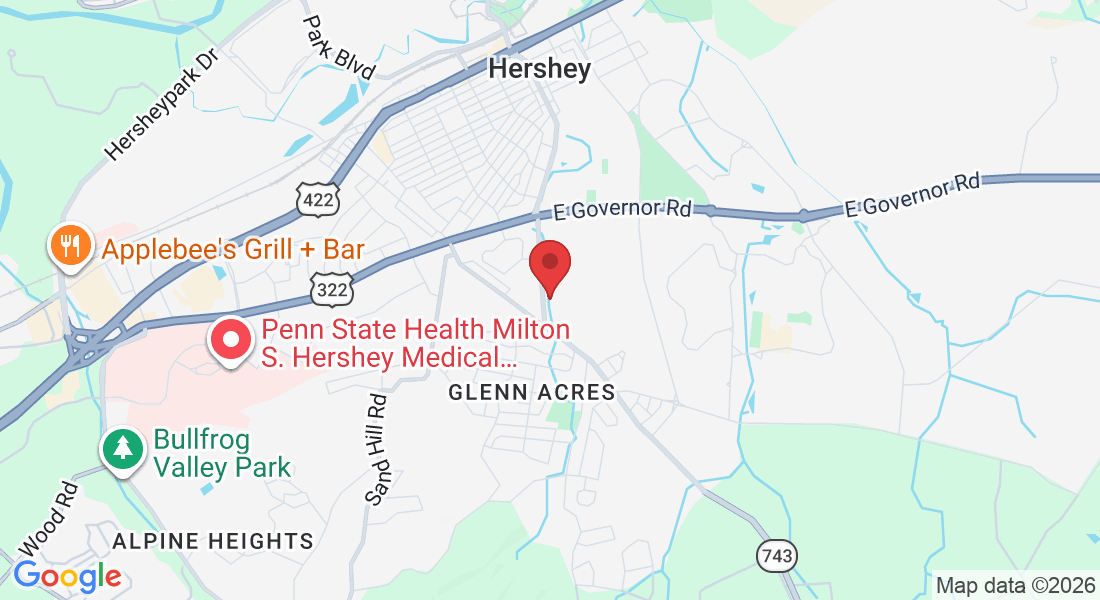
1249 Cocoa Avenue, Suite 190
Hershey, PA 17033
Phone: (717) 882-5888
OFFICE HOURS
By Appointment Only. Call for Availability
GET IN TOUCH
© Copyright 2023. Three Angels Family Practice & Wellness Center | Sitemap | Accessibility
Powered by Cima Growth Solutions
LOCATION
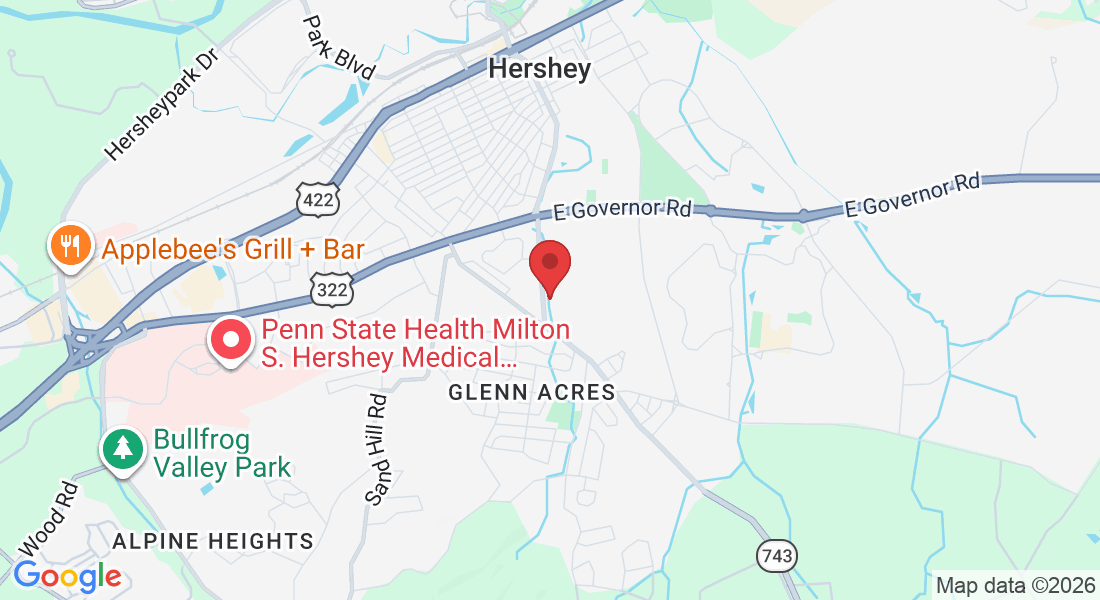
1249 Cocoa Avenue, Suite 190
Hershey, PA 17033
Phone: (717) 882-5888
OFFICE HOURS
By Appointment Only
Call (717) 882-5888
GET IN TOUCH
© Copyright 2023. Three Angels Family Practice & Wellness Center | Sitemap | Accessibility
Powered by Cima Growth Solutions