BLOGS
BLOGS

High Blood Pressure: What Your Numbers Mean This Fall
The number you might not know — but should
Nearly half of all adults in the United States — 48.1%, or about 119.9 million people — have high blood pressure, according to the Centers for Disease Control and Prevention (CDC). That is an enormous number. And yet, roughly 1 in 6 of those people have no idea they have it.
High blood pressure has no obvious warning signs. It does not hurt. It does not announce itself. You can feel completely fine and still be carrying a reading that is quietly damaging your arteries, your heart, and your kidneys. That is why doctors call it the "silent killer."
October is actually one of the best times to talk about this. Fall is when blood pressure tends to creep upward — for reasons we will explain below. It is also the time of year when many families in Hershey, Hummelstown, Palmyra, and across Central PA are scheduling their annual physicals and flu shots. Adding a blood pressure conversation to that visit could be one of the most important things you do this season.
What do the numbers actually mean?
A blood pressure reading has two numbers: the systolic number on top (the pressure when your heart beats) and the diastolic number on bottom (the pressure when your heart rests between beats). Both are measured in millimeters of mercury, or mm Hg.
The American Heart Association and the American College of Cardiology define the categories this way:
- Normal: Less than 120/80 mm Hg
- Elevated: Systolic 120–129 mm Hg and diastolic less than 80 mm Hg
- Stage 1 Hypertension: Systolic 130–139 mm Hg or diastolic 80–89 mm Hg
- Stage 2 Hypertension: Systolic 140 mm Hg or higher, or diastolic 90 mm Hg or higher
- Hypertensive Crisis: Systolic above 180 and/or diastolic above 120 — seek emergency care immediately
One reading that falls outside the normal range is not necessarily a diagnosis. Blood pressure fluctuates throughout the day. But if readings are consistently elevated across multiple checks, that is when your doctor needs to know.
Why fall and winter raise the stakes
This is not just seasonal paranoia. Research consistently shows that blood pressure tends to run higher in colder months. A 2023 analysis cited by the American Medical Association found that among patients already diagnosed with hypertension, systolic blood pressure rose by up to 1.7 mm Hg during winter compared to summer months.
Here is what drives that shift:
- Vasoconstriction. When your body gets cold, blood vessels narrow (constrict) to conserve heat. Narrower vessels mean higher pressure, just like squeezing a garden hose. This is the primary mechanism.
- Less physical activity. As the days get shorter and the weather turns, many people move less. Regular exercise helps keep blood pressure in check. A drop in activity can allow readings to creep up.
- Seasonal eating patterns. Fall and winter tend to bring heavier, saltier comfort foods — soups, casseroles, holiday spreads. Excess sodium is a well-established driver of elevated blood pressure.
- Holiday stress. Psychological stress triggers the release of hormones that temporarily raise blood pressure. The holiday season can bring that in abundance.
- Vitamin D decline. Low vitamin D levels, which are common in Central Pennsylvania from October through March due to reduced sunlight, have been associated with higher blood pressure in some research — though more study is needed to confirm the direct relationship.
If your blood pressure was well-controlled last spring, that does not guarantee it will be equally controlled right now. Fall is a smart time to recheck.
Who is most at risk?
High blood pressure can affect anyone. But certain factors raise the likelihood:
- Age. Blood pressure tends to rise as we get older. The CDC reports hypertension in 54.5% of adults ages 40–59 and 74.5% of adults 60 and older.
- Family history. Genetics play a meaningful role. If your parents or siblings have hypertension, your own risk is higher.
- Race and ethnicity. Non-Hispanic Black adults have a hypertension rate of 59.6% — significantly higher than other groups — and are more likely to develop it at a younger age and experience serious complications.
- Weight. Carrying extra weight makes the heart work harder and can raise blood pressure over time.
- Sedentary lifestyle. Physical inactivity is consistently linked to higher blood pressure.
- Diet high in sodium. Most Americans consume far more sodium than recommended, largely through processed and restaurant foods.
- Smoking. Nicotine raises blood pressure immediately and damages artery walls over time.
- Chronic stress. Ongoing psychological stress can contribute to sustained blood pressure elevation.
- Other conditions. Sleep apnea, kidney disease, and thyroid disorders can all raise blood pressure as a secondary effect.
One sobering statistic: only 22.5% of adults with high blood pressure have it under control, according to the CDC's most recent data. That means the vast majority of people with hypertension are not where they need to be — often through no fault of their own, simply because managing blood pressure takes ongoing attention and support.
Why uncontrolled blood pressure matters so much
In 2024, high blood pressure was listed as a primary or contributing cause of 680,179 deaths in the United States — a sobering figure from the CDC's National Center for Health Statistics. Hypertension raises the risk of:
- Heart attack and heart failure
- Stroke
- Kidney damage and chronic kidney disease
- Vision loss
- Sexual dysfunction
- Peripheral artery disease
None of these happen overnight. High blood pressure does its damage slowly and silently over months and years. That is exactly why finding and treating it early matters so much.
What you can do at home
Lifestyle changes are not a consolation prize — they are a genuinely powerful tool. The landmark DASH trial published in the New England Journal of Medicine (Appel et al., 1997) found that a diet rich in fruits, vegetables, and low-fat dairy — with reduced saturated fat — lowered systolic blood pressure by 5.5 mm Hg more than the control diet. For someone with Stage 1 hypertension, that kind of shift can be clinically meaningful.
The evidence-based lifestyle strategies with the strongest track record include:
- The DASH diet. Dietary Approaches to Stop Hypertension emphasizes fruits, vegetables, whole grains, lean proteins, low-fat dairy, and legumes. It limits red meat, added sugars, and sodium. Central PA has wonderful access to fresh produce at local farm stands and farmers' markets — use that resource while the season lasts.
- Reduce sodium. The American Heart Association recommends less than 2,300 mg of sodium per day for most adults. Reading labels is a habit that pays off quickly.
- Move more. Aim for at least 150 minutes of moderate-intensity aerobic activity per week, as recommended by the American Heart Association. That is about 30 minutes on most days. Walking counts — and the trails around Hershey, Middletown, and Elizabethtown are beautiful in the fall.
- Limit alcohol. Drinking too much raises blood pressure over time. If you drink, talk with your doctor about what a safe amount looks like for you.
- Manage stress. Practices like deep breathing, yoga, and regular physical activity all have evidence behind them for stress reduction — which in turn can support healthier blood pressure.
- Maintain a healthy weight. Even modest weight loss — 5 to 10 pounds — can produce measurable drops in blood pressure in people who are overweight.
- Do not smoke. If you currently smoke, quitting is one of the highest-impact health changes you can make. Ask your doctor about cessation support — it is available and it works.
- Monitor at home. Home blood pressure monitors are widely available, accurate, and inexpensive. Tracking your readings over time gives you and your doctor much more information than a single in-office check.
When to see your doctor
There is no threshold you have to hit before talking with your doctor about blood pressure. If you have not had a reading in the past year, that alone is reason enough to schedule a visit.
You should make an appointment soon if:
- Your home readings are consistently at or above 130/80 mm Hg
- You have been diagnosed with hypertension and have not had a recent check-in
- You are taking blood pressure medication and want to know if your control is on track heading into winter
- You have risk factors — family history, excess weight, a sedentary lifestyle — and have never been formally evaluated
- You are pregnant or planning to become pregnant, since blood pressure monitoring is especially important in pregnancy
And call 911 or go to an emergency room immediately if you experience a reading above 180/120, especially alongside symptoms like severe headache, chest pain, difficulty breathing, or visual changes. That is a hypertensive crisis and requires emergency evaluation.
How Dr. Joseph approaches high blood pressure at Three Angels
At Three Angels Family Practice & Wellness Center, Dr. Danette J. Joseph, MD — a board-certified family medicine physician with over ten years of practice in Central Pennsylvania — approaches blood pressure with the full picture in mind.
That means looking at the numbers, but also at the whole person: sleep quality, diet patterns, stress levels, weight, other health conditions, medications, and family history. Where appropriate, Dr. Joseph integrates evidence-based lifestyle medicine alongside conventional treatment — because for many patients, meaningful improvements are possible through daily habits, not medication alone. When medication is the right step, that conversation happens with real transparency about goals, side effects, and monitoring.
Three Angels sees patients from Hershey, Harrisburg, Mechanicsburg, Camp Hill, Hummelstown, and the surrounding region. The practice welcomes new patients and provides a style of care that takes the time your health deserves.
Talk with Dr. Joseph
If you would like to check or discuss your blood pressure with Dr. Danette J. Joseph, MD, our board-certified family medicine physician at Three Angels Family Practice & Wellness Center in Hershey, we are welcoming new patients. We also serve Harrisburg, Mechanicsburg, Camp Hill, Hummelstown, Palmyra, Middletown, and Elizabethtown.
Request an appointment online or call (717) 298-1268.
Medical disclaimer: This article is for general educational purposes and does not constitute medical advice, diagnosis, or treatment. Always consult a qualified healthcare provider with questions about a medical condition or before starting, stopping, or changing any treatment. Reading this article does not create a physician-patient relationship with Dr. Danette J. Joseph, MD, or Three Angels Family Practice & Wellness Center.
LOCATION
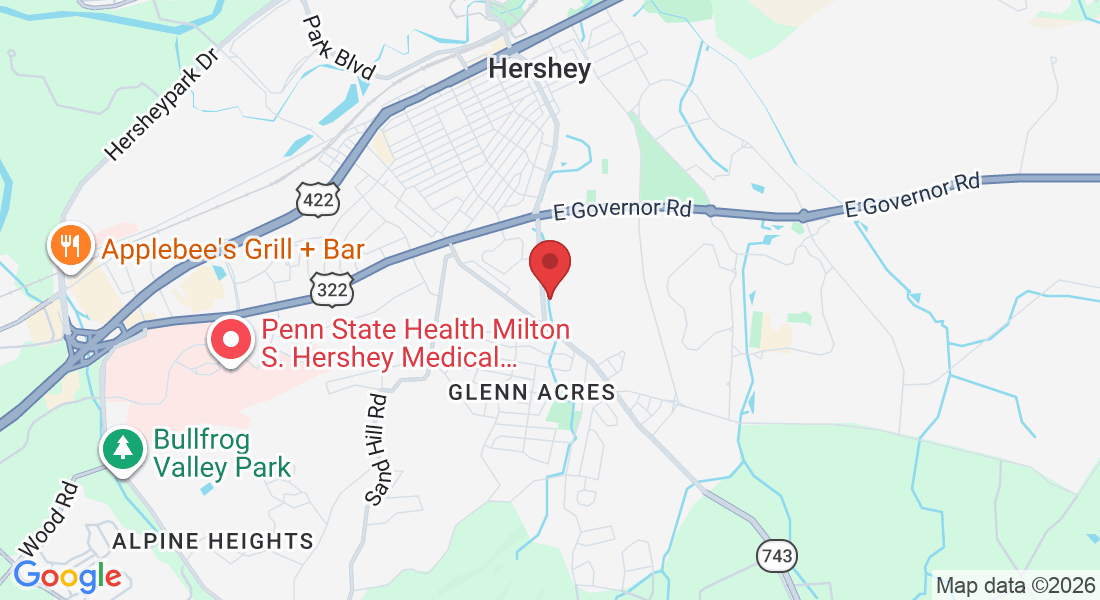
1249 Cocoa Avenue, Suite 190
Hershey, PA 17033
Phone: (717) 882-5888
OFFICE HOURS
By Appointment Only. Call for Availability
GET IN TOUCH
© Copyright 2023. Three Angels Family Practice & Wellness Center | Sitemap | Accessibility
Powered by Cima Growth Solutions
LOCATION
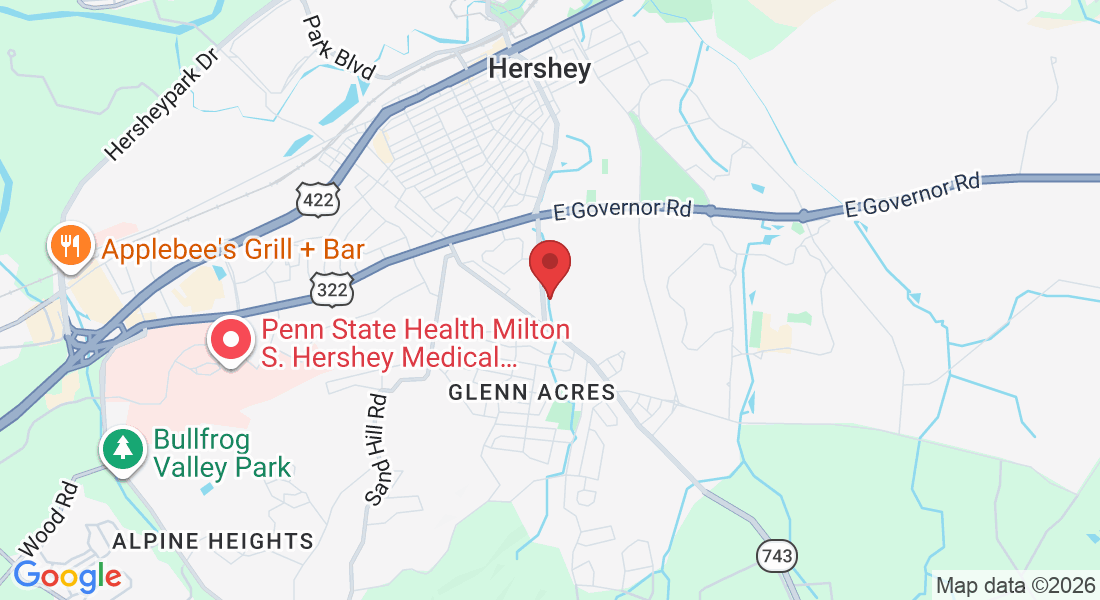
1249 Cocoa Avenue, Suite 190
Hershey, PA 17033
Phone: (717) 882-5888
OFFICE HOURS
By Appointment Only
Call (717) 882-5888
GET IN TOUCH
© Copyright 2023. Three Angels Family Practice & Wellness Center | Sitemap | Accessibility
Powered by Cima Growth Solutions