BLOGS
BLOGS

Heat-Related Illness: Summer Safety in Central PA
It's the Fourth of July, and across Hershey, Palmyra, Hummelstown, and the rest of Central Pennsylvania, families are heading outside. Cookouts, fireworks, parades, afternoon runs — it's the most outdoor-intensive holiday of the year.
It's also one of the most dangerous days for heat-related illness.
Summer heat in Pennsylvania is real. July temperatures in the Hershey area regularly climb into the upper 80s and low 90s, with high humidity that makes things feel significantly hotter. That combination overwhelms the body's ability to cool itself faster than many people realize. Heat-related illness is one of the leading causes of weather-related deaths in the United States — and it is almost entirely preventable when you know what to watch for.
What Is Heat-Related Illness?
Heat-related illness isn't a single condition. It's a spectrum — a progression from mild to life-threatening — that happens when your body can no longer regulate its own temperature.
Your body normally cools itself by sweating. When the air is very hot and humid, sweat can't evaporate fast enough, and that cooling system starts to fail. Core body temperature climbs. The longer it stays elevated without intervention, the more serious the consequences.
According to the Centers for Disease Control and Prevention (CDC), heat-related illnesses include:
- Heat cramps — Painful muscle spasms, often in the legs or abdomen. Caused by sweating away too much salt and fluid. Usually the first sign that your body is struggling in the heat.
- Heat rash — A skin irritation from excessive sweating in hot, humid conditions. Uncomfortable, but a sign to get into a cooler environment.
- Heat syncope — Dizziness, lightheadedness, or fainting — especially when standing for a long time or rising quickly. Often caused by dehydration and blood pooling in the legs.
- Heat exhaustion — Heavy sweating, cool or clammy skin, muscle cramps, fatigue, headache, nausea, and a fast but weak pulse. Core body temperature is typically below 104°F. This is serious and requires immediate action.
- Heat stroke — A medical emergency. Body temperature rises to 106°F or higher within minutes. The sweating mechanism fails. The brain is affected. This is life-threatening.
What the Research Says
Heat-related illness is far more common than most people think — and it's getting more common every year.
According to a 2024 CDC report in the Morbidity and Mortality Weekly Report (MMWR), the warm-season months of 2023 were the hottest ever recorded in the United States. Daily emergency department visits for heat-related illness peaked in multiple regions and stayed elevated for prolonged periods. More than two-thirds of all Americans were under heat alerts at some point in 2023.
Approximately 1,220 people die from extreme heat every year in the United States — and researchers believe this number is significantly underreported, because heat often worsens underlying conditions like heart disease without being listed as the cause of death.
Pennsylvania has taken notice. The Pennsylvania Tracking Program actively monitors heat illness and distributes outreach materials in multiple languages to help residents across the state stay protected.
The bottom line: this isn't just a problem for desert climates. Central PA summers are hot, humid, and capable of producing real harm.
Recognizing the Warning Signs
The most important thing you can do for yourself and your family this summer is learn to tell heat exhaustion apart from heat stroke. One calls for rest and fluids. The other calls for 911.
Heat exhaustion looks like this, according to the Cleveland Clinic:
- Heavy sweating
- Cool, pale, clammy skin
- Muscle cramps
- Dizziness or lightheadedness
- Nausea or vomiting
- Fast, weak pulse
- Headache
- Extreme fatigue
A person with heat exhaustion is usually still aware of their surroundings. They may feel confused briefly, but that feeling passes. Move them to a cool location, have them lie down, loosen their clothing, and provide cool water. If symptoms don't improve within 30 minutes, seek medical care.
Heat stroke is different — and far more dangerous. Key warning signs include:
- Body temperature above 103–104°F
- Hot, red skin (which may be dry OR moist)
- Rapid, strong pulse
- Persistent confusion, disorientation, agitation, or slurred speech
- Seizures
- Loss of consciousness
That change in mental status — the persistent confusion, the strange behavior, the inability to speak clearly — is the key dividing line. According to the NIH's StatPearls, heat stroke is defined by a severe elevation in body temperature combined with central nervous system dysfunction. If you see those signs, call 911 immediately. While you wait, move the person to a cooler area and apply cool cloths or ice packs to the neck, armpits, and groin. Do not give fluids to someone who is not fully conscious.
Heat stroke can cause permanent brain damage or death if treatment is delayed. It is a true emergency.
Who Is Most at Risk
Technically, heat-related illness can happen to anyone. But some people are at significantly higher risk and need to take extra precautions during hot weather. According to the CDC, these groups include:
- Adults 65 and older. As we age, our bodies become less efficient at sensing and responding to temperature changes. Older adults are also more likely to take medications that affect the body's ability to cool itself.
- Infants and young children. Small bodies heat up faster. Young children depend entirely on caregivers to keep them cool and hydrated.
- Pregnant women. Pregnancy raises the body's baseline temperature and increases vulnerability to heat stress.
- People with chronic conditions. Heart disease, diabetes, kidney disease, obesity, asthma, and certain mental health conditions all affect how the body handles heat. If you manage a chronic condition, talk to your doctor before summer activities ramp up.
- People on certain medications. Many medications — including common ones available over the counter — can impair heat tolerance or reduce the body's ability to sweat. If you take regular medications, ask Dr. Joseph or your provider how heat might affect them. Never stop or change a medication on your own because of hot weather.
- Outdoor workers and athletes. Anyone doing prolonged physical activity in the heat — from landscaping to running a 5K — is at elevated risk, especially if they haven't gradually adjusted to exercising in warm conditions.
What You Can Do at Home and Outdoors
The CDC's framework is simple: stay cool, stay hydrated, stay informed. Here's what that looks like in practice.
Hydrate before you're thirsty. Thirst is a late signal. By the time you feel thirsty, you're already mildly dehydrated. The CDC recommends drinking two to four glasses (16–32 ounces) of cool fluids — preferably water — every hour during outdoor activities in the heat. Skip the alcohol, caffeine, and sugary drinks, which actually cause you to lose more fluid. Check your urine: light yellow or clear means you're well hydrated.
Dress for the heat. Wear lightweight, light-colored, loose-fitting clothing. Sunburn — beyond being painful — slows the skin's ability to release excess heat and causes additional fluid loss. Wear sunscreen with at least SPF 30 and reapply every two hours.
Time your outdoor activities wisely. In Hershey and throughout Dauphin County, summer afternoons can be brutal. Schedule outdoor activity for early morning or early evening when temperatures are lower. Take frequent breaks in the shade or indoors.
Use air conditioning. Staying in an air-conditioned space — even for a few hours during the hottest part of the day — is the single most effective way to prevent heat illness. If you don't have air conditioning at home, consider visiting a library, community center, or cooling center during peak heat hours.
Never leave children or pets in a parked car. Car interiors can reach dangerous temperatures within minutes, even when it doesn't feel that hot outside. This is a cause of entirely preventable deaths every summer.
Check on your neighbors. Older adults living alone are among the most vulnerable during heat waves. A phone call or quick visit can be lifesaving.
Give your body time to adjust. The body needs roughly one to two weeks to adapt to exercising or working in hot conditions — a process called acclimatization. Ease in gradually. New outdoor exercisers and workers returning after time off are at especially high risk early in the season.
When to See Your Doctor
If you or a family member experiences symptoms of heat exhaustion that don't improve with rest, fluids, and cooling within 30 minutes — or if symptoms are severe — seek medical care promptly.
If you see signs of heat stroke — confusion, very high body temperature, loss of consciousness — call 911 immediately. This is not a situation to manage at home.
Beyond emergencies, consider talking to your primary care provider if:
- You manage a chronic condition like hypertension, diabetes, or heart disease.
- You take medications and aren't sure how heat might affect them.
- You have a child with asthma — heat and air quality often worsen together in summer.
- You're pregnant heading into the hottest months of the year.
- You'd like help creating a personalized heat action plan.
An annual physical is a great time to have this conversation if you haven't already scheduled yours.
How Three Angels Family Practice Approaches Heat Safety
At Three Angels Family Practice & Wellness Center in Hershey, Dr. Danette J. Joseph, MD — board-certified in family medicine — takes an integrative, whole-person approach to summer health. That means looking at not just symptoms, but the full picture: the medications you're taking, the chronic conditions you're managing, the outdoor activities you love, and the lifestyle choices that help you thrive through every season.
Whether you're a weekend runner in Palmyra, a landscaper working in Elizabethtown, an older adult living independently in Mechanicsburg, or a parent managing a child's asthma in Middletown — heat safety looks different for each person. Dr. Joseph helps you build the individualized approach that works for your life.
If it's been more than a year since your last physical, there's no better time to schedule one. Preventive care is the foundation of staying well — in July and every month of the year.
Talk with Dr. Danette J. Joseph
If you'd like to discuss heat safety, summer wellness, or your personal risk factors with Dr. Danette J. Joseph, our board-certified family medicine physician at Three Angels Family Practice & Wellness Center in Hershey, PA, we're welcoming new patients. We also serve families in Palmyra, Hummelstown, Middletown, Mechanicsburg, Harrisburg, Elizabethtown, Camp Hill, and surrounding communities.
Request an appointment online or call (717) 298-1268.
Medical disclaimer: This article is for general educational purposes and does not constitute medical advice, diagnosis, or treatment. Always consult a qualified healthcare provider with questions about a medical condition or before starting, stopping, or changing any treatment. Reading this article does not create a physician-patient relationship with Dr. Danette J. Joseph or Three Angels Family Practice & Wellness Center.

Heat-Related Illness: Summer Safety in Central PA
It's the Fourth of July, and across Hershey, Palmyra, Hummelstown, and the rest of Central Pennsylvania, families are heading outside. Cookouts, fireworks, parades, afternoon runs — it's the most outdoor-intensive holiday of the year.
It's also one of the most dangerous days for heat-related illness.
Summer heat in Pennsylvania is real. July temperatures in the Hershey area regularly climb into the upper 80s and low 90s, with high humidity that makes things feel significantly hotter. That combination overwhelms the body's ability to cool itself faster than many people realize. Heat-related illness is one of the leading causes of weather-related deaths in the United States — and it is almost entirely preventable when you know what to watch for.
What Is Heat-Related Illness?
Heat-related illness isn't a single condition. It's a spectrum — a progression from mild to life-threatening — that happens when your body can no longer regulate its own temperature.
Your body normally cools itself by sweating. When the air is very hot and humid, sweat can't evaporate fast enough, and that cooling system starts to fail. Core body temperature climbs. The longer it stays elevated without intervention, the more serious the consequences.
According to the Centers for Disease Control and Prevention (CDC), heat-related illnesses include:
- Heat cramps — Painful muscle spasms, often in the legs or abdomen. Caused by sweating away too much salt and fluid. Usually the first sign that your body is struggling in the heat.
- Heat rash — A skin irritation from excessive sweating in hot, humid conditions. Uncomfortable, but a sign to get into a cooler environment.
- Heat syncope — Dizziness, lightheadedness, or fainting — especially when standing for a long time or rising quickly. Often caused by dehydration and blood pooling in the legs.
- Heat exhaustion — Heavy sweating, cool or clammy skin, muscle cramps, fatigue, headache, nausea, and a fast but weak pulse. Core body temperature is typically below 104°F. This is serious and requires immediate action.
- Heat stroke — A medical emergency. Body temperature rises to 106°F or higher within minutes. The sweating mechanism fails. The brain is affected. This is life-threatening.
What the Research Says
Heat-related illness is far more common than most people think — and it's getting more common every year.
According to a 2024 CDC report in the Morbidity and Mortality Weekly Report (MMWR), the warm-season months of 2023 were the hottest ever recorded in the United States. Daily emergency department visits for heat-related illness peaked in multiple regions and stayed elevated for prolonged periods. More than two-thirds of all Americans were under heat alerts at some point in 2023.
Approximately 1,220 people die from extreme heat every year in the United States — and researchers believe this number is significantly underreported, because heat often worsens underlying conditions like heart disease without being listed as the cause of death.
Pennsylvania has taken notice. The Pennsylvania Tracking Program actively monitors heat illness and distributes outreach materials in multiple languages to help residents across the state stay protected.
The bottom line: this isn't just a problem for desert climates. Central PA summers are hot, humid, and capable of producing real harm.
Recognizing the Warning Signs
The most important thing you can do for yourself and your family this summer is learn to tell heat exhaustion apart from heat stroke. One calls for rest and fluids. The other calls for 911.
Heat exhaustion looks like this, according to the Cleveland Clinic:
- Heavy sweating
- Cool, pale, clammy skin
- Muscle cramps
- Dizziness or lightheadedness
- Nausea or vomiting
- Fast, weak pulse
- Headache
- Extreme fatigue
A person with heat exhaustion is usually still aware of their surroundings. They may feel confused briefly, but that feeling passes. Move them to a cool location, have them lie down, loosen their clothing, and provide cool water. If symptoms don't improve within 30 minutes, seek medical care.
Heat stroke is different — and far more dangerous. Key warning signs include:
- Body temperature above 103–104°F
- Hot, red skin (which may be dry OR moist)
- Rapid, strong pulse
- Persistent confusion, disorientation, agitation, or slurred speech
- Seizures
- Loss of consciousness
That change in mental status — the persistent confusion, the strange behavior, the inability to speak clearly — is the key dividing line. According to the NIH's StatPearls, heat stroke is defined by a severe elevation in body temperature combined with central nervous system dysfunction. If you see those signs, call 911 immediately. While you wait, move the person to a cooler area and apply cool cloths or ice packs to the neck, armpits, and groin. Do not give fluids to someone who is not fully conscious.
Heat stroke can cause permanent brain damage or death if treatment is delayed. It is a true emergency.
Who Is Most at Risk
Technically, heat-related illness can happen to anyone. But some people are at significantly higher risk and need to take extra precautions during hot weather. According to the CDC, these groups include:
- Adults 65 and older. As we age, our bodies become less efficient at sensing and responding to temperature changes. Older adults are also more likely to take medications that affect the body's ability to cool itself.
- Infants and young children. Small bodies heat up faster. Young children depend entirely on caregivers to keep them cool and hydrated.
- Pregnant women. Pregnancy raises the body's baseline temperature and increases vulnerability to heat stress.
- People with chronic conditions. Heart disease, diabetes, kidney disease, obesity, asthma, and certain mental health conditions all affect how the body handles heat. If you manage a chronic condition, talk to your doctor before summer activities ramp up.
- People on certain medications. Many medications — including common ones available over the counter — can impair heat tolerance or reduce the body's ability to sweat. If you take regular medications, ask Dr. Joseph or your provider how heat might affect them. Never stop or change a medication on your own because of hot weather.
- Outdoor workers and athletes. Anyone doing prolonged physical activity in the heat — from landscaping to running a 5K — is at elevated risk, especially if they haven't gradually adjusted to exercising in warm conditions.
What You Can Do at Home and Outdoors
The CDC's framework is simple: stay cool, stay hydrated, stay informed. Here's what that looks like in practice.
Hydrate before you're thirsty. Thirst is a late signal. By the time you feel thirsty, you're already mildly dehydrated. The CDC recommends drinking two to four glasses (16–32 ounces) of cool fluids — preferably water — every hour during outdoor activities in the heat. Skip the alcohol, caffeine, and sugary drinks, which actually cause you to lose more fluid. Check your urine: light yellow or clear means you're well hydrated.
Dress for the heat. Wear lightweight, light-colored, loose-fitting clothing. Sunburn — beyond being painful — slows the skin's ability to release excess heat and causes additional fluid loss. Wear sunscreen with at least SPF 30 and reapply every two hours.
Time your outdoor activities wisely. In Hershey and throughout Dauphin County, summer afternoons can be brutal. Schedule outdoor activity for early morning or early evening when temperatures are lower. Take frequent breaks in the shade or indoors.
Use air conditioning. Staying in an air-conditioned space — even for a few hours during the hottest part of the day — is the single most effective way to prevent heat illness. If you don't have air conditioning at home, consider visiting a library, community center, or cooling center during peak heat hours.
Never leave children or pets in a parked car. Car interiors can reach dangerous temperatures within minutes, even when it doesn't feel that hot outside. This is a cause of entirely preventable deaths every summer.
Check on your neighbors. Older adults living alone are among the most vulnerable during heat waves. A phone call or quick visit can be lifesaving.
Give your body time to adjust. The body needs roughly one to two weeks to adapt to exercising or working in hot conditions — a process called acclimatization. Ease in gradually. New outdoor exercisers and workers returning after time off are at especially high risk early in the season.
When to See Your Doctor
If you or a family member experiences symptoms of heat exhaustion that don't improve with rest, fluids, and cooling within 30 minutes — or if symptoms are severe — seek medical care promptly.
If you see signs of heat stroke — confusion, very high body temperature, loss of consciousness — call 911 immediately. This is not a situation to manage at home.
Beyond emergencies, consider talking to your primary care provider if:
- You manage a chronic condition like hypertension, diabetes, or heart disease.
- You take medications and aren't sure how heat might affect them.
- You have a child with asthma — heat and air quality often worsen together in summer.
- You're pregnant heading into the hottest months of the year.
- You'd like help creating a personalized heat action plan.
An annual physical is a great time to have this conversation if you haven't already scheduled yours.
How Three Angels Family Practice Approaches Heat Safety
At Three Angels Family Practice & Wellness Center in Hershey, Dr. Danette J. Joseph, MD — board-certified in family medicine — takes an integrative, whole-person approach to summer health. That means looking at not just symptoms, but the full picture: the medications you're taking, the chronic conditions you're managing, the outdoor activities you love, and the lifestyle choices that help you thrive through every season.
Whether you're a weekend runner in Palmyra, a landscaper working in Elizabethtown, an older adult living independently in Mechanicsburg, or a parent managing a child's asthma in Middletown — heat safety looks different for each person. Dr. Joseph helps you build the individualized approach that works for your life.
If it's been more than a year since your last physical, there's no better time to schedule one. Preventive care is the foundation of staying well — in July and every month of the year.
Talk with Dr. Danette J. Joseph
If you'd like to discuss heat safety, summer wellness, or your personal risk factors with Dr. Danette J. Joseph, our board-certified family medicine physician at Three Angels Family Practice & Wellness Center in Hershey, PA, we're welcoming new patients. We also serve families in Palmyra, Hummelstown, Middletown, Mechanicsburg, Harrisburg, Elizabethtown, Camp Hill, and surrounding communities.
Request an appointment online or call (717) 298-1268.
Medical disclaimer: This article is for general educational purposes and does not constitute medical advice, diagnosis, or treatment. Always consult a qualified healthcare provider with questions about a medical condition or before starting, stopping, or changing any treatment. Reading this article does not create a physician-patient relationship with Dr. Danette J. Joseph or Three Angels Family Practice & Wellness Center.
LOCATION
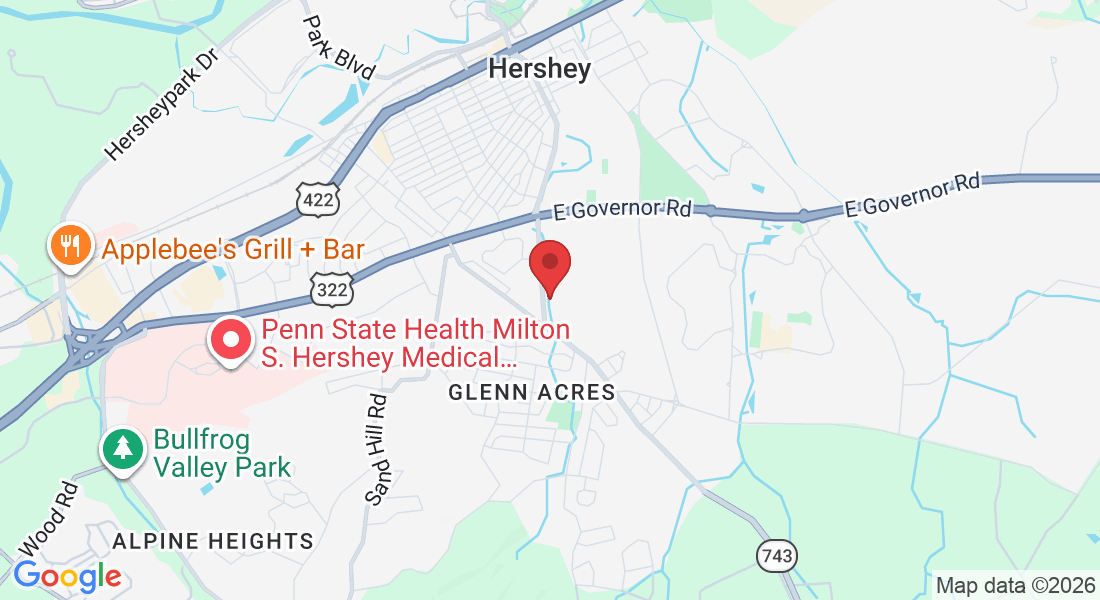
1249 Cocoa Avenue, Suite 190
Hershey, PA 17033
Phone: (717) 882-5888
OFFICE HOURS
By Appointment Only. Call for Availability
GET IN TOUCH
© Copyright 2023. Three Angels Family Practice & Wellness Center | Sitemap | Accessibility
Powered by Cima Growth Solutions
LOCATION
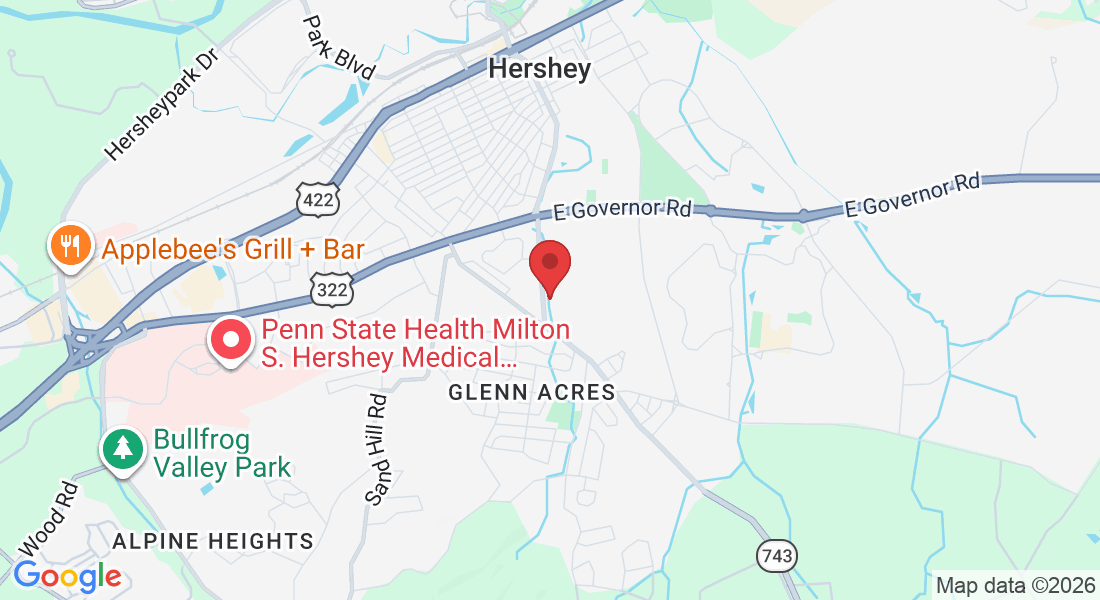
1249 Cocoa Avenue, Suite 190
Hershey, PA 17033
Phone: (717) 882-5888
OFFICE HOURS
By Appointment Only
Call (717) 882-5888
GET IN TOUCH
© Copyright 2023. Three Angels Family Practice & Wellness Center | Sitemap | Accessibility
Powered by Cima Growth Solutions