BLOGS
BLOGS

Heat Exhaustion vs. Heat Stroke: Know the Difference
July in Central Pennsylvania can feel brutal. The humidity hangs heavy from morning through midnight, and when temperatures push into the 90s — or even higher — your body works overtime just to stay cool. Most of us know that too much heat is dangerous. But fewer people know the difference between heat exhaustion and heat stroke, and that difference could be a matter of life or death.
This guide breaks down exactly what each condition looks like, who is most at risk, and what to do — whether you're at a community cookout in Hummelstown, gardening in Hershey, or watching your kids play ball in Palmyra.
What Is Heat-Related Illness?
Your body regulates its temperature through sweating. As sweat evaporates from your skin, it cools you down. But when it's both hot and humid outside, that evaporation slows dramatically. Your natural cooling system can't keep up, and your core temperature climbs.
According to the CDC's National Institute for Occupational Safety and Health, heat-related illnesses range from heat cramps and heat rash to heat exhaustion and, at the most serious end, heat stroke. Each step up the ladder is more dangerous than the last — and untreated heat exhaustion can slide into life-threatening heat stroke faster than most people expect.
Heat is the leading cause of weather-related fatalities in the United States, according to the National Weather Service. The CDC tracked an average of 702 heat-related deaths per year between 2004 and 2018 — and that number has trended upward since. Central Pennsylvania is not immune. The Harrisburg area, just minutes from Hershey, reached 100°F on July 16, 2024. Penn State Health has specifically identified Central PA's combination of heat and high humidity as a "frequent summer forecast" that puts residents at real risk.
Heat Exhaustion: What It Looks Like
Heat exhaustion happens when your body is losing too much water and salt — usually through heavy sweating — and it can no longer keep your temperature in check. Think of it as your body's distress signal. At this stage, your internal temperature is typically below 104°F, but your body is struggling.
Common symptoms of heat exhaustion include:
- Heavy sweating
- Cold, pale, or clammy skin
- Fast, weak pulse
- Nausea or vomiting
- Muscle cramps
- Tiredness, weakness, or dizziness
- Headache
- Fainting
Notice something important: even though you feel overheated, your skin may still be cold and clammy. That's because blood is rushing to your skin's surface trying to release heat, leaving you looking pale and feeling shaky. You are sweating — which is actually a good sign that your cooling system is still working.
If you or someone with you shows these symptoms, act quickly — but don't call 911 yet. Heat exhaustion can usually be managed with prompt first aid.
Heat Stroke: A True Medical Emergency
Heat stroke is a different story entirely. According to Cleveland Clinic, heat stroke is a life-threatening condition in which heat overwhelms your body's ability to manage its temperature. Your core temperature rises to 103°F or higher. Critically, the sweating mechanism often fails — leaving your skin hot and dry instead of clammy. And heat stroke causes something heat exhaustion does not: brain dysfunction.
Signs of heat stroke include:
- Body temperature at or above 103°F
- Hot, red, dry or only slightly damp skin
- Rapid, strong pulse
- Throbbing headache
- Confusion, agitation, slurred speech, or aggressive behavior
- Nausea and dizziness
- Fainting or loss of consciousness
That confusion and change in behavior is the critical red flag. If someone in the heat suddenly becomes disoriented, says things that don't make sense, or seems combative, do not wait. Call 911 immediately.
The CDC notes that without emergency treatment, body temperature can rise to 106°F or higher within 10 to 15 minutes — causing permanent organ damage or death. Heat stroke can also develop without any warning signs of heat exhaustion first, which is part of what makes it so dangerous.
Who Is Most at Risk in Our Community
Anyone can develop a heat-related illness. But certain groups face much higher risk, and if you recognize yourself or someone you love here, please pay extra attention this summer.
Adults 65 and older. Older adults often live in a state of mild chronic dehydration, regardless of the weather. Their circulatory systems — the body's cooling network — don't work as efficiently. They may also have diminished thirst, meaning they don't feel the urge to drink even when their bodies need water.
Infants and young children. Small bodies heat up faster. Children playing outside in Hockersville or Campbelltown may not tell you they're overheating until it's already a problem. Schedule water breaks proactively, and avoid peak heat hours (typically 10 a.m. to 4 p.m.) for strenuous outdoor play.
People managing chronic conditions. If you have hypertension (high blood pressure), heart disease, kidney disease, or diabetes, your body's ability to regulate temperature may already be compromised. Diabetes, for example, can reduce blood flow to the skin and impair sweat production — two of the body's main ways of cooling itself.
Outdoor workers and athletes. Construction workers, landscapers, roofers, and anyone doing strenuous activity in Harrisburg, Middletown, or Elizabethtown during peak summer heat faces elevated risk. A survey by the Urban Institute found that more than 1 in 7 outdoor workers experienced heat exhaustion or heat-related symptoms on the job in 2023.
Medications That Raise Your Risk — A Note for Patients
This is something many people don't realize, and it matters a great deal. The CDC's clinical guidance on heat and medications identifies several common drug classes that can significantly increase your body's vulnerability to heat:
- Diuretics ("water pills") — Can reduce your sense of thirst and cause excessive fluid loss, increasing dehydration risk.
- ACE inhibitors and ARBs — Used to treat hypertension; can lower thirst sensation and may raise fainting risk in heat.
- Beta-blockers — Can limit your ability to sweat and reduce blood flow to the skin, making it harder to release heat.
- Antidepressants (SSRIs and TCAs) — Can interfere with sweating patterns, either increasing dehydration through excessive sweating or blocking the ability to sweat at all.
- Antipsychotics and antihistamines — Can disrupt the brain's temperature-control center and impair sweating.
- Stimulants — Can raise the body's internal heat production.
Certain combinations are especially high-risk. The CDC notes that pairing an ACE inhibitor or ARB with a diuretic can significantly amplify harm during heat exposure. If you take any of these medications — and many of our patients in Hershey managing hypertension, diabetes, or other chronic conditions do — talk with Dr. Joseph before the next heat wave arrives. Do not stop any prescribed medication on your own. Instead, ask about making a "hot day plan" that addresses hydration, timing, and when to seek care.
What to Do Right Now: First Aid at a Glance
If you suspect heat exhaustion:
- Move the person to a cool, shaded area or air-conditioned space immediately
- Have them sip cool water or a sports drink with electrolytes
- Remove unnecessary or tight clothing
- Apply cool, wet cloths to the skin or mist with cool water and fan them
- Place cold cloths on the neck, armpits, and groin
- Monitor closely — symptoms should improve within 30 to 60 minutes
Per Mayo Clinic, if symptoms worsen, don't improve within an hour, or if the person becomes confused or loses consciousness, call 911 immediately — that's a sign of heat stroke.
If you suspect heat stroke — Call 911 first, then:
- Move the person to a cooler environment immediately
- Cool them as fast as possible — in a cool tub of water, with cool damp sheets, or by misting and fanning
- Do not give fluids to someone who is confused or unconscious
- Stay with the person until emergency services arrive
Prevention: Staying Safe This Summer
Heat-related illness is largely preventable. A few practical steps can protect you and your family through July and August:
- Hydrate before you're thirsty. Thirst is a late signal — by the time you feel it, you may already be mildly dehydrated. Drink water consistently throughout the day.
- Time your outdoor activity. Plan exercise, yard work, and outdoor events before 10 a.m. or after 6 p.m. when possible.
- Wear the right clothes. Loose-fitting, lightweight, light-colored clothing reflects heat and allows airflow.
- Never leave children or pets in a parked car. Vehicle interiors can reach dangerous temperatures within minutes, even with windows cracked.
- Check on vulnerable neighbors. Elderly neighbors in Colonial Park, Falmouth, and Camp Hill without air conditioning are at especially high risk during heat waves. A simple check-in can save a life.
- Know your local cooling centers. During extreme heat events, local libraries, community centers, and faith communities often open as cooling sites.
- Avoid alcohol in the heat. Alcohol impairs your body's temperature regulation and can make it harder to recognize warning signs of heat illness.
How Three Angels Family Practice Approaches Summer Health
At Three Angels Family Practice & Wellness Center in Hershey, Dr. Danette J. Joseph, MD, takes an integrative approach to care that looks at the whole picture — including how your chronic conditions and medications interact with the world around you, season by season. Summer heat is a real clinical consideration, especially for patients managing hypertension, diabetes, or cardiovascular disease.
If you're unsure whether your current medications raise your heat risk, or if you want to talk through a summer safety plan for yourself or an aging parent in the Harrisburg area, that's exactly the kind of conversation your annual physical or a dedicated wellness visit is designed to have. Preventive care isn't just for the fall flu shot — it's for protecting you through every season.
Talk with Dr. Joseph
If you'd like to discuss summer heat safety and your health with Dr. Danette J. Joseph, our board-certified family medicine physician at Three Angels Family Practice & Wellness Center in Hershey, we're welcoming new patients. We also serve Hummelstown, Palmyra, Harrisburg, Middletown, and the surrounding Central Pennsylvania communities.
Request an appointment online or call (717) 298-1268.
Medical disclaimer: This article is for general educational purposes and does not constitute medical advice, diagnosis, or treatment. Always consult a qualified healthcare provider with questions about a medical condition or before starting, stopping, or changing any treatment. Reading this article does not create a physician-patient relationship with Dr. Danette J. Joseph or Three Angels Family Practice & Wellness Center.

Heat Exhaustion vs. Heat Stroke: Know the Difference
July in Central Pennsylvania can feel brutal. The humidity hangs heavy from morning through midnight, and when temperatures push into the 90s — or even higher — your body works overtime just to stay cool. Most of us know that too much heat is dangerous. But fewer people know the difference between heat exhaustion and heat stroke, and that difference could be a matter of life or death.
This guide breaks down exactly what each condition looks like, who is most at risk, and what to do — whether you're at a community cookout in Hummelstown, gardening in Hershey, or watching your kids play ball in Palmyra.
What Is Heat-Related Illness?
Your body regulates its temperature through sweating. As sweat evaporates from your skin, it cools you down. But when it's both hot and humid outside, that evaporation slows dramatically. Your natural cooling system can't keep up, and your core temperature climbs.
According to the CDC's National Institute for Occupational Safety and Health, heat-related illnesses range from heat cramps and heat rash to heat exhaustion and, at the most serious end, heat stroke. Each step up the ladder is more dangerous than the last — and untreated heat exhaustion can slide into life-threatening heat stroke faster than most people expect.
Heat is the leading cause of weather-related fatalities in the United States, according to the National Weather Service. The CDC tracked an average of 702 heat-related deaths per year between 2004 and 2018 — and that number has trended upward since. Central Pennsylvania is not immune. The Harrisburg area, just minutes from Hershey, reached 100°F on July 16, 2024. Penn State Health has specifically identified Central PA's combination of heat and high humidity as a "frequent summer forecast" that puts residents at real risk.
Heat Exhaustion: What It Looks Like
Heat exhaustion happens when your body is losing too much water and salt — usually through heavy sweating — and it can no longer keep your temperature in check. Think of it as your body's distress signal. At this stage, your internal temperature is typically below 104°F, but your body is struggling.
Common symptoms of heat exhaustion include:
- Heavy sweating
- Cold, pale, or clammy skin
- Fast, weak pulse
- Nausea or vomiting
- Muscle cramps
- Tiredness, weakness, or dizziness
- Headache
- Fainting
Notice something important: even though you feel overheated, your skin may still be cold and clammy. That's because blood is rushing to your skin's surface trying to release heat, leaving you looking pale and feeling shaky. You are sweating — which is actually a good sign that your cooling system is still working.
If you or someone with you shows these symptoms, act quickly — but don't call 911 yet. Heat exhaustion can usually be managed with prompt first aid.
Heat Stroke: A True Medical Emergency
Heat stroke is a different story entirely. According to Cleveland Clinic, heat stroke is a life-threatening condition in which heat overwhelms your body's ability to manage its temperature. Your core temperature rises to 103°F or higher. Critically, the sweating mechanism often fails — leaving your skin hot and dry instead of clammy. And heat stroke causes something heat exhaustion does not: brain dysfunction.
Signs of heat stroke include:
- Body temperature at or above 103°F
- Hot, red, dry or only slightly damp skin
- Rapid, strong pulse
- Throbbing headache
- Confusion, agitation, slurred speech, or aggressive behavior
- Nausea and dizziness
- Fainting or loss of consciousness
That confusion and change in behavior is the critical red flag. If someone in the heat suddenly becomes disoriented, says things that don't make sense, or seems combative, do not wait. Call 911 immediately.
The CDC notes that without emergency treatment, body temperature can rise to 106°F or higher within 10 to 15 minutes — causing permanent organ damage or death. Heat stroke can also develop without any warning signs of heat exhaustion first, which is part of what makes it so dangerous.
Who Is Most at Risk in Our Community
Anyone can develop a heat-related illness. But certain groups face much higher risk, and if you recognize yourself or someone you love here, please pay extra attention this summer.
Adults 65 and older. Older adults often live in a state of mild chronic dehydration, regardless of the weather. Their circulatory systems — the body's cooling network — don't work as efficiently. They may also have diminished thirst, meaning they don't feel the urge to drink even when their bodies need water.
Infants and young children. Small bodies heat up faster. Children playing outside in Hockersville or Campbelltown may not tell you they're overheating until it's already a problem. Schedule water breaks proactively, and avoid peak heat hours (typically 10 a.m. to 4 p.m.) for strenuous outdoor play.
People managing chronic conditions. If you have hypertension (high blood pressure), heart disease, kidney disease, or diabetes, your body's ability to regulate temperature may already be compromised. Diabetes, for example, can reduce blood flow to the skin and impair sweat production — two of the body's main ways of cooling itself.
Outdoor workers and athletes. Construction workers, landscapers, roofers, and anyone doing strenuous activity in Harrisburg, Middletown, or Elizabethtown during peak summer heat faces elevated risk. A survey by the Urban Institute found that more than 1 in 7 outdoor workers experienced heat exhaustion or heat-related symptoms on the job in 2023.
Medications That Raise Your Risk — A Note for Patients
This is something many people don't realize, and it matters a great deal. The CDC's clinical guidance on heat and medications identifies several common drug classes that can significantly increase your body's vulnerability to heat:
- Diuretics ("water pills") — Can reduce your sense of thirst and cause excessive fluid loss, increasing dehydration risk.
- ACE inhibitors and ARBs — Used to treat hypertension; can lower thirst sensation and may raise fainting risk in heat.
- Beta-blockers — Can limit your ability to sweat and reduce blood flow to the skin, making it harder to release heat.
- Antidepressants (SSRIs and TCAs) — Can interfere with sweating patterns, either increasing dehydration through excessive sweating or blocking the ability to sweat at all.
- Antipsychotics and antihistamines — Can disrupt the brain's temperature-control center and impair sweating.
- Stimulants — Can raise the body's internal heat production.
Certain combinations are especially high-risk. The CDC notes that pairing an ACE inhibitor or ARB with a diuretic can significantly amplify harm during heat exposure. If you take any of these medications — and many of our patients in Hershey managing hypertension, diabetes, or other chronic conditions do — talk with Dr. Joseph before the next heat wave arrives. Do not stop any prescribed medication on your own. Instead, ask about making a "hot day plan" that addresses hydration, timing, and when to seek care.
What to Do Right Now: First Aid at a Glance
If you suspect heat exhaustion:
- Move the person to a cool, shaded area or air-conditioned space immediately
- Have them sip cool water or a sports drink with electrolytes
- Remove unnecessary or tight clothing
- Apply cool, wet cloths to the skin or mist with cool water and fan them
- Place cold cloths on the neck, armpits, and groin
- Monitor closely — symptoms should improve within 30 to 60 minutes
Per Mayo Clinic, if symptoms worsen, don't improve within an hour, or if the person becomes confused or loses consciousness, call 911 immediately — that's a sign of heat stroke.
If you suspect heat stroke — Call 911 first, then:
- Move the person to a cooler environment immediately
- Cool them as fast as possible — in a cool tub of water, with cool damp sheets, or by misting and fanning
- Do not give fluids to someone who is confused or unconscious
- Stay with the person until emergency services arrive
Prevention: Staying Safe This Summer
Heat-related illness is largely preventable. A few practical steps can protect you and your family through July and August:
- Hydrate before you're thirsty. Thirst is a late signal — by the time you feel it, you may already be mildly dehydrated. Drink water consistently throughout the day.
- Time your outdoor activity. Plan exercise, yard work, and outdoor events before 10 a.m. or after 6 p.m. when possible.
- Wear the right clothes. Loose-fitting, lightweight, light-colored clothing reflects heat and allows airflow.
- Never leave children or pets in a parked car. Vehicle interiors can reach dangerous temperatures within minutes, even with windows cracked.
- Check on vulnerable neighbors. Elderly neighbors in Colonial Park, Falmouth, and Camp Hill without air conditioning are at especially high risk during heat waves. A simple check-in can save a life.
- Know your local cooling centers. During extreme heat events, local libraries, community centers, and faith communities often open as cooling sites.
- Avoid alcohol in the heat. Alcohol impairs your body's temperature regulation and can make it harder to recognize warning signs of heat illness.
How Three Angels Family Practice Approaches Summer Health
At Three Angels Family Practice & Wellness Center in Hershey, Dr. Danette J. Joseph, MD, takes an integrative approach to care that looks at the whole picture — including how your chronic conditions and medications interact with the world around you, season by season. Summer heat is a real clinical consideration, especially for patients managing hypertension, diabetes, or cardiovascular disease.
If you're unsure whether your current medications raise your heat risk, or if you want to talk through a summer safety plan for yourself or an aging parent in the Harrisburg area, that's exactly the kind of conversation your annual physical or a dedicated wellness visit is designed to have. Preventive care isn't just for the fall flu shot — it's for protecting you through every season.
Talk with Dr. Joseph
If you'd like to discuss summer heat safety and your health with Dr. Danette J. Joseph, our board-certified family medicine physician at Three Angels Family Practice & Wellness Center in Hershey, we're welcoming new patients. We also serve Hummelstown, Palmyra, Harrisburg, Middletown, and the surrounding Central Pennsylvania communities.
Request an appointment online or call (717) 298-1268.
Medical disclaimer: This article is for general educational purposes and does not constitute medical advice, diagnosis, or treatment. Always consult a qualified healthcare provider with questions about a medical condition or before starting, stopping, or changing any treatment. Reading this article does not create a physician-patient relationship with Dr. Danette J. Joseph or Three Angels Family Practice & Wellness Center.
LOCATION
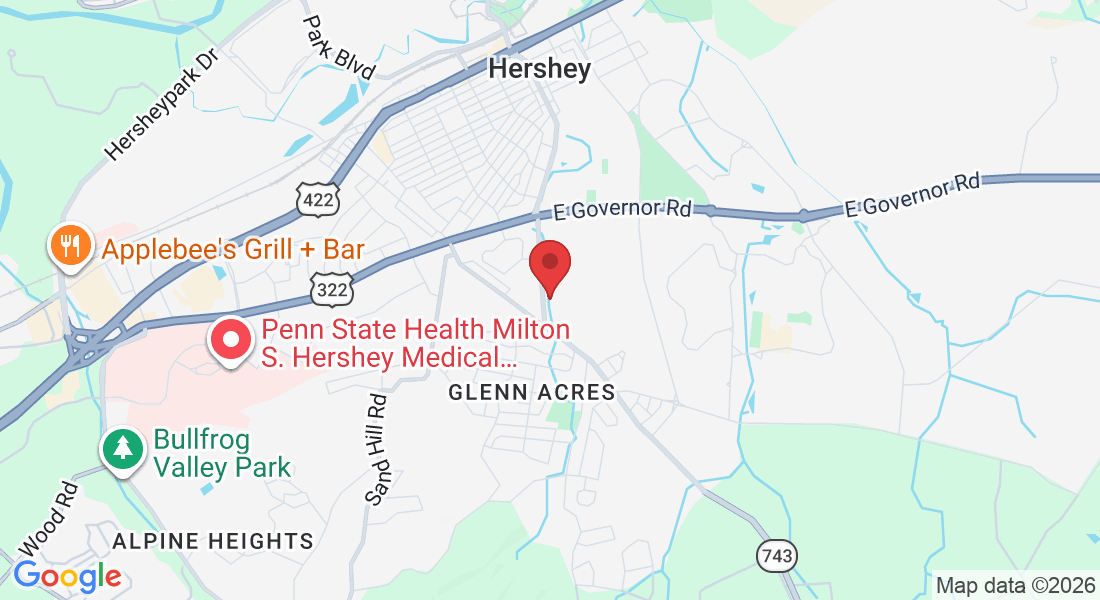
1249 Cocoa Avenue, Suite 190
Hershey, PA 17033
Phone: (717) 882-5888
OFFICE HOURS
By Appointment Only. Call for Availability
GET IN TOUCH
© Copyright 2023. Three Angels Family Practice & Wellness Center | Sitemap | Accessibility
Powered by Cima Growth Solutions
LOCATION
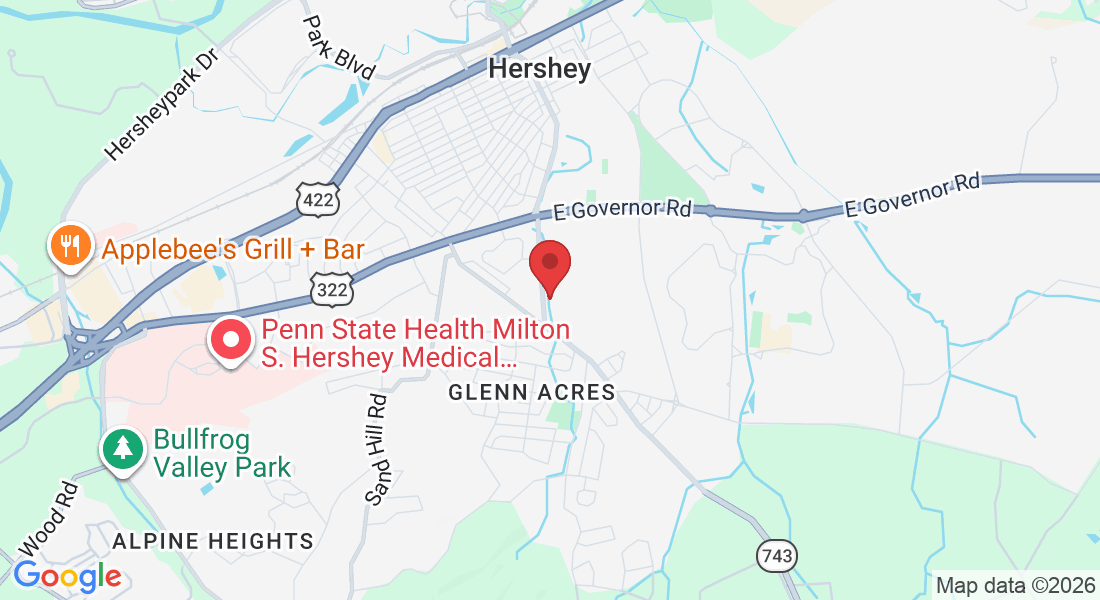
1249 Cocoa Avenue, Suite 190
Hershey, PA 17033
Phone: (717) 882-5888
OFFICE HOURS
By Appointment Only
Call (717) 882-5888
GET IN TOUCH
© Copyright 2023. Three Angels Family Practice & Wellness Center | Sitemap | Accessibility
Powered by Cima Growth Solutions