BLOGS
BLOGS

Healthy Weight in Children: What Central PA Parents Should Know
Why This Conversation Starts at the Well-Child Visit
Most parents don't go looking for a problem. They bring their child in for a checkup, and somewhere between the ear exam and the vaccination discussion, the topic of weight comes up. It can feel awkward. It can feel like a judgment. It isn't.
At Three Angels Family Practice & Wellness Center in Hershey, Pennsylvania, Dr. Danette J. Joseph, MD approaches this conversation the same way she approaches every conversation: with honesty, compassion, and a focus on what families can actually do. Because the science is clear — a healthy weight in childhood sets the stage for a healthier life. And the earlier families get support, the better.
Here's what every Central PA parent should understand about children's healthy weight.
How Is "Healthy Weight" Defined in Children?
In adults, we use a single BMI (body mass index) number — weight in kilograms divided by height in meters squared — to categorize weight. In children, it's more nuanced. Because children grow rapidly and at different rates, doctors use something called BMI-for-age percentile.
Your child's BMI is plotted against a growth chart based on their age and sex. The CDC defines the categories this way:
- Underweight: BMI below the 5th percentile
- Healthy weight: 5th to below the 85th percentile
- Overweight: 85th to below the 95th percentile
- Obesity: at or above the 95th percentile
These aren't labels to be afraid of. They're measurement tools — just like a blood pressure reading or a temperature. They tell your child's doctor where to look more closely and what conversations to have.
It's also worth knowing that BMI is an imperfect measure. It doesn't directly measure body fat, and it doesn't capture muscle mass or bone density. Dr. Joseph looks at the full picture — growth trends over time, physical activity level, family history, and overall health — not a single number at a single visit.
How Common Is This, Really?
More common than most parents expect. According to the Centers for Disease Control and Prevention, approximately 19.7% of U.S. children and adolescents ages 2 to 19 — that's roughly 1 in 5, or 14.7 million young people — have obesity based on national growth charts.
Pennsylvania families, in particular, should pay attention. The state ranks among the top ten states in the nation for childhood obesity rates in the 10–17 age group. About 18% of Pennsylvania children in grades K–12 have obesity, and when overweight is included, nearly 30% of PA kids fall outside the healthy weight range.
That's not a small problem. And it doesn't self-correct with age. Children who have obesity are significantly more likely to have obesity as adults — which is why early attention matters so much.
What Are the Real Health Risks?
This is the part many parents don't realize. Carrying excess weight as a child isn't just about appearance or future risk. The health consequences can begin in childhood itself.
Research published in peer-reviewed medical literature, including studies indexed through the National Library of Medicine, links childhood obesity to:
- Type 2 diabetes risk. Many children with obesity have impaired glucose tolerance — the stage that often comes before type 2 diabetes. The National Institutes of Health (NIH) has documented this relationship for over two decades.
- High blood pressure and high cholesterol. These conditions, once thought of as adult problems, are increasingly diagnosed in children and teens with excess weight.
- Cardiovascular changes. Studies show that childhood obesity is associated with early changes in heart structure and artery function — changes that can persist into adulthood and increase the risk of coronary artery disease.
- Musculoskeletal problems. Extra weight stresses growing joints and bones, contributing to pain and reduced physical activity.
- Sleep apnea. Excess weight, especially around the neck and airway, can disrupt breathing during sleep — which in turn worsens weight, mood, and school performance.
- Mental and emotional health. Children with obesity are at higher risk for anxiety, depression, and social difficulties. This isn't about willpower — it's a real health outcome that deserves real support.
The long-term picture is equally important. A 2020 study published in peer-reviewed literature found that childhood obesity is a significant predictor of adult cardiovascular disease, diabetes, hypertension, and dyslipidemia — independent of adult weight status. In other words, what happens during childhood doesn't stay in childhood.
What the Major Guidelines Now Say
In 2023, the American Academy of Pediatrics (AAP) published its first-ever comprehensive clinical practice guideline for the evaluation and treatment of children and adolescents with obesity. This was a landmark moment — and its core message was clear: early, active support is better than a "wait and see" approach.
The U.S. Preventive Services Task Force (USPSTF) followed with a 2024 recommendation (Grade B — meaning strong evidence of benefit): clinicians should screen all children ages 6 and older for obesity using BMI-for-age, and those with a BMI at or above the 95th percentile should be provided with or referred to comprehensive, intensive behavioral interventions.
What does "intensive behavioral intervention" mean in practice? According to the USPSTF, effective programs include at least 26 contact hours over the course of a year. They address eating habits, physical activity, label reading, goal-setting, and behavior change skills. Crucially, they involve both parents and children — because families change together, not in isolation.
What Families Can Do at Home
You don't need a formal program to start building healthier habits. Research is consistent on the levers that matter most for children.
1. Make movement the default.
The U.S. Department of Health and Human Services recommends at least 60 minutes of moderate-to-vigorous physical activity every day for children ages 6 to 17. That doesn't mean structured sports (though that helps). It means time outside, playing, walking, biking, shooting hoops. For families in Hummelstown, Palmyra, Elizabethtown, and across Central PA, the fall and early winter still offer real opportunities — a walk after dinner, a weekend hike through Hershey's parks, an after-school bike ride before the dark sets in.
2. Prioritize sleep.
This one surprises many parents. A study published in Pediatrics found that young children who regularly stayed up late (after 9 p.m.) accumulated more body fat over time than those who went to bed earlier. Research also shows that children ages 6 months to 2 years who get less than 12 hours of sleep are twice as likely to have obesity. Sleep affects the hormones that regulate hunger and fullness — when children are sleep-deprived, those hormones shift in ways that promote overeating. Getting the right amount of sleep is a weight-management strategy.
3. Reduce screen time — especially before bed.
More screen time means less movement, more mindless snacking, and disrupted sleep. The AAP recommends limiting recreational screen time to no more than 1 hour per day for children ages 2 to 5, and consistent, reasonable limits for older children.
4. Eat together when you can.
Family meals are consistently linked to healthier eating patterns in children. You don't have to serve a nutritionally perfect plate every night. Eating together, without screens, and with reasonable portions goes a long way. Focus on vegetables, whole grains, fruits, and lean proteins — not perfection.
5. Watch sugary drinks.
Juice, soda, sports drinks, and sweetened milk alternatives are a significant source of excess sugar and calories in children's diets. Water and plain milk are the go-to beverages recommended by the AAP.
6. Model it.
Children mirror what they see at home. When parents eat vegetables, move their bodies, limit screens, and prioritize sleep, children learn those habits as normal. That's the most powerful intervention of all.
What a "Weight Conversation" at the Doctor's Office Should Look Like
If BMI-for-age comes up at your child's well-visit, don't panic. Here's what a good conversation includes:
- A look at trends over time, not just today's number
- Questions about what your family eats, how active your child is, how much they sleep, and what their day looks like
- A check of blood pressure, and sometimes labs (cholesterol, blood sugar), depending on age and risk factors
- A collaborative plan — not a lecture
- A referral to nutrition support or behavioral programs if appropriate
Dr. Joseph brings her board-certified family medicine training and integrative approach to every conversation. That means looking at the whole child — not just a number. She works with families in Hershey, Hummelstown, Palmyra, Middletown, Harrisburg, Campbelltown, and throughout the surrounding region, providing care that respects both the science and the family.
When Should You Bring This Up at a Visit?
BMI-for-age is calculated at every well-child visit, so the screening happens automatically. But you don't have to wait for a "flag" to start the conversation. If you've noticed your child is less active than peers, is gaining weight quickly, is winded by mild activity, snores loudly at night, or is experiencing mood or energy changes you can't explain — bring it up. These are all things worth discussing.
And if your child's doctor has mentioned weight before but it felt like the topic disappeared after that visit — bring it back. This is exactly the kind of ongoing, longitudinal conversation that primary care is designed for.
Talk with Dr. Danette J. Joseph, MD
If you'd like to discuss your child's healthy weight and growth with Dr. Joseph, our board-certified family medicine physician at Three Angels Family Practice & Wellness Center in Hershey, we're welcoming new patients. We also serve families in Hummelstown, Palmyra, Middletown, Elizabethtown, Campbelltown, Harrisburg, Mechanicsburg, and Camp Hill.
Request an appointment online or call us at (717) 298-1268. We're at 1249 Cocoa Ave, Suite 190, Hershey, PA 17033.
Medical disclaimer: This article is for general educational purposes and does not constitute medical advice, diagnosis, or treatment. Always consult a qualified healthcare provider with questions about a medical condition or before starting, stopping, or changing any health-related program for your child. Reading this article does not create a physician-patient relationship with Dr. Danette J. Joseph or Three Angels Family Practice & Wellness Center.
LOCATION
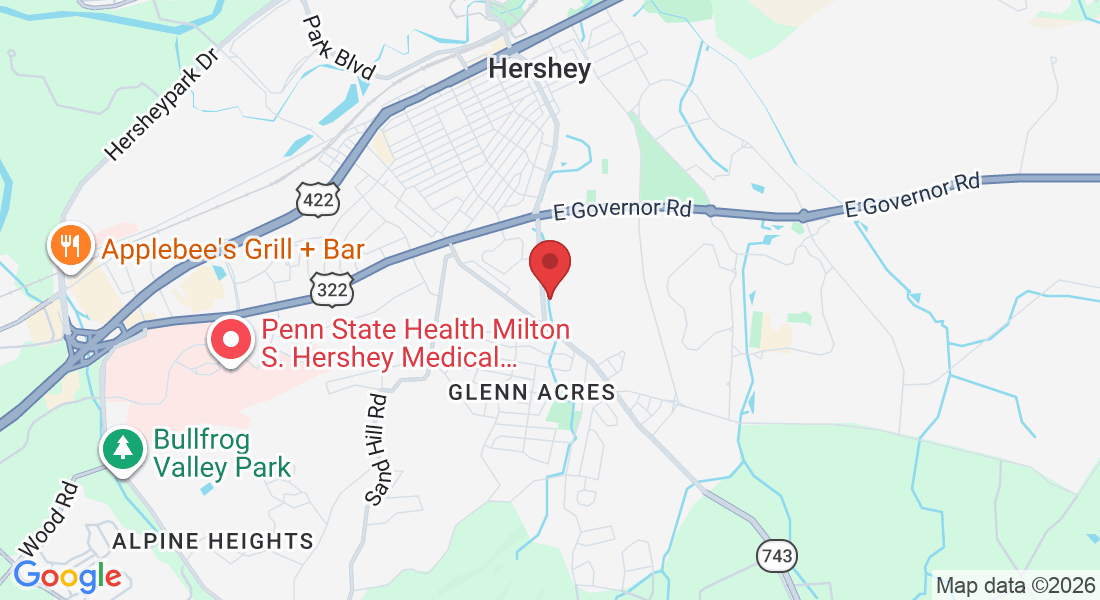
1249 Cocoa Avenue, Suite 190
Hershey, PA 17033
Phone: (717) 882-5888
OFFICE HOURS
By Appointment Only. Call for Availability
GET IN TOUCH
© Copyright 2023. Three Angels Family Practice & Wellness Center | Sitemap | Accessibility
Powered by Cima Growth Solutions
LOCATION
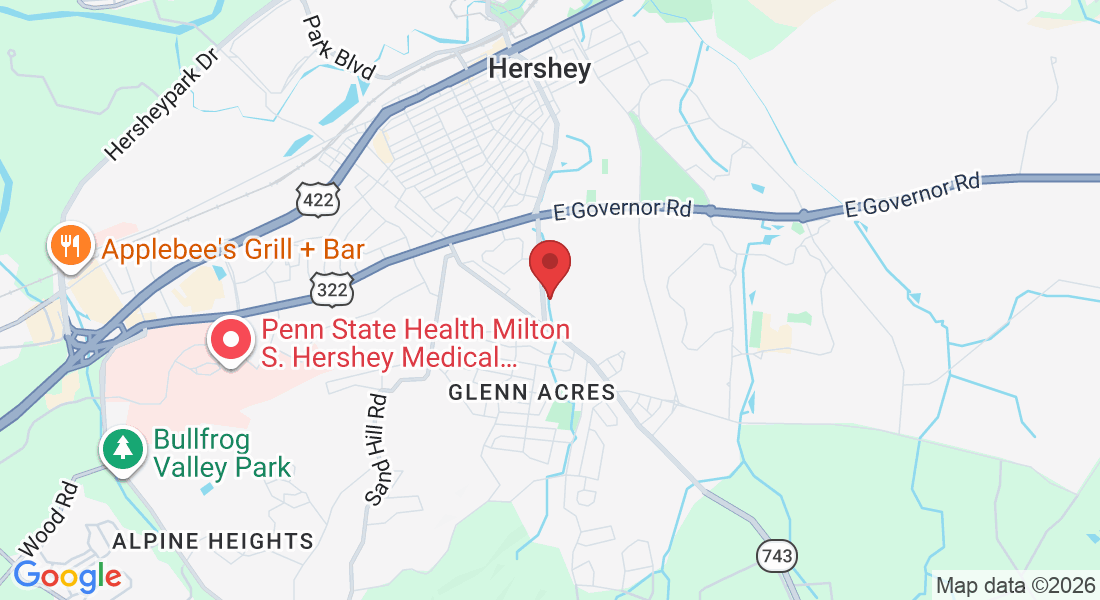
1249 Cocoa Avenue, Suite 190
Hershey, PA 17033
Phone: (717) 882-5888
OFFICE HOURS
By Appointment Only
Call (717) 882-5888
GET IN TOUCH
© Copyright 2023. Three Angels Family Practice & Wellness Center | Sitemap | Accessibility
Powered by Cima Growth Solutions