BLOGS
BLOGS
Ragweed Season in Central PA: Fall Allergy Guide
It Happens Every August
You made it through the summer. Then, right around mid-August — or maybe you noticed it this week — the sneezing started. Your eyes are itchy. Your nose runs no matter how many tissues you grab. You feel drained before noon.
If this sounds familiar, you are not imagining things. August and September mark the peak of hay fever season in Pennsylvania, driven almost entirely by one culprit: ragweed pollen. For patients across Hershey, Hummelstown, Harrisburg, Palmyra, and the surrounding communities, this seasonal shift is as predictable as the school buses rolling down Cocoa Avenue.
The good news is that fall allergies are very manageable — with the right plan. Here is what the science says, what you can do at home, and when it is time to call your doctor.
What Is Ragweed Allergy?
Ragweed is a wild, fast-growing weed. You have probably driven past it without noticing — it lines roadsides, ditches, and empty lots throughout Central Pennsylvania. There are 17 species of ragweed in the United States, and a single plant can release up to one billion pollen grains in a single season. Those grains are so lightweight they can travel hundreds of miles on the wind — meaning you do not have to be near a ragweed patch to feel the effects.
Ragweed pollen causes seasonal allergic rhinitis — the medical term for hay fever. Your immune system identifies the pollen as a threat, releases a chemical called histamine, and that histamine floods your nasal passages, eyes, and airways, causing the swelling and irritation you know too well. Up to 1 in 5 people in the United States have some type of reaction when ragweed pollen levels are high.
In Pennsylvania, ragweed season runs from early August through mid-October, with pollen counts peaking around mid-September. It thrives on warm, dry days with a light breeze. Rain washes it away temporarily — but counts often surge again after rainfall stops.
Why Fall Allergies Are Getting Worse
If you feel like your September allergies are harder to manage than they were a decade ago, research supports that impression.
According to the National Institute of Environmental Health Sciences (NIEHS), the annual average of daily airborne pollen amounts increased 46 percent between the periods 1994–2000 and 2001–2010. A 2021 study found that North American pollen seasons have become 20 days longer on average — and pollen concentrations increased by 21 percent — from 1990 to 2018. Warmer falls mean later first frosts, which means ragweed keeps releasing pollen well into October.
Pennsylvania specifically has seen allergy seasons starting about 20 days earlier and lasting 9 days longer than they did 30 years ago. The takeaway: if you used to get through September without much trouble, that window is narrowing for many people.
This is not cause for alarm — it is cause for a better plan.
Symptoms: More Than Just a Stuffy Nose
Most people associate ragweed allergy with sneezing and a runny nose. Those are the most common signs. But the full picture is broader:
- Runny or stuffy nose (nasal congestion)
- Frequent sneezing
- Itchy, watery, or red eyes
- Itchy throat or ears
- Postnasal drip and coughing
- Fatigue and reduced motivation — research has linked ragweed season to higher levels of tiredness
- Worsening asthma — ragweed is a recognized trigger for what allergists call the "September Asthma Peak," when emergency department visits for asthma spike each fall
One symptom patients often do not connect to their allergies: oral allergy syndrome. If you notice an itchy mouth or scratchy throat after eating raw melon, banana, cucumber, or zucchini during ragweed season, that reaction is likely your immune system getting confused by proteins in those foods that closely resemble ragweed pollen. Cooking or peeling the food often eliminates the reaction — but it is worth mentioning to your doctor at your next visit.
Ragweed allergy symptoms can look a lot like a common cold. The key difference: a cold typically clears up in 7–10 days, while untreated ragweed symptoms can drag on for the entire 10-week season.
What You Can Do at Home Right Now
You can reduce your ragweed exposure significantly without a prescription. These steps are backed by guidance from the NIEHS and the Allergy & Asthma Network:
- Check pollen counts before heading outside. The National Allergy Bureau (pollen.aaaai.org) and local weather apps publish daily counts for the Harrisburg area. On high-pollen mornings, plan outdoor activities for late afternoon when levels dip.
- Keep windows closed. Use your air conditioner instead of opening windows — this alone dramatically reduces indoor pollen levels. Replace your filters with HEPA-rated versions for best results.
- Shower after being outside. Ragweed pollen sticks to hair, skin, and clothing. A quick shower when you come indoors keeps it from spreading to your pillow and bedding.
- Do not dry laundry outside. Clothes and bedding hung on a line become pollen traps during ragweed season.
- Time your outdoor exercise. Ragweed pollen peaks between 10 a.m. and 3 p.m. on warm, dry days. Early morning or evening workouts are your best friends in August and September.
Nasal saline irrigation — flushing the nose with a saltwater solution using a neti pot or squeeze bottle — is another practical daily step. The American Academy of Allergy, Asthma & Immunology endorses it as a safe, complementary measure that physically removes pollen from nasal passages before it can trigger a reaction.
From an integrative standpoint, some patients ask about natural options like quercetin, a flavonoid found in apples, onions, and berries. Early research suggests quercetin may act as a natural mast-cell stabilizer, helping to slow the histamine release that triggers symptoms. Human clinical trial data are still limited, so it is a conversation worth having with your provider rather than something to start on your own. A note of caution if you are considering butterbur supplements: butterbur is distantly related to the ragweed family, and some ragweed-allergic patients react to it. Only extracts labeled "PA-free" (pyrrolizidine alkaloid–free) are considered safe, and you should always discuss any new supplement with your physician before starting.
When to See Your Doctor
Home measures help, but many patients with moderate-to-severe ragweed allergy need medical support to get real relief. Here is when to make an appointment:
- Symptoms are disrupting your sleep, work, or daily life for more than a few days
- Over-the-counter medications are not controlling your symptoms — or are making you too drowsy to function
- You have asthma that consistently worsens each fall
- You are unsure whether you are dealing with allergies or a recurring sinus infection
- You would like to explore immunotherapy to address the underlying allergy, not just mask the symptoms year after year
According to the AAAAI/ACAAI joint practice guideline, published in American Family Physician, intranasal corticosteroid sprays are recommended as the first-line treatment for moderate-to-severe seasonal allergic rhinitis in patients 12 and older. They work by reducing inflammation in the nasal lining and are most effective when used consistently throughout the season — not just on bad days. Starting about two weeks before peak pollen season gives them time to reach full effect.
For patients whose symptoms are still not well controlled, combining an intranasal corticosteroid with an intranasal antihistamine is supported by high-quality evidence. Second-generation oral antihistamines — non-sedating options like loratadine, fexofenadine, and cetirizine — remain useful, especially for eye symptoms.
For a longer-term solution, allergen immunotherapy — either allergy shots or, for ragweed specifically, FDA-approved sublingual tablets — can gradually desensitize your immune system. Immunotherapy is the only treatment that modifies the underlying allergy rather than just controlling symptoms season to season. It is not a quick fix, but for patients who suffer every August and September, it is a conversation worth having with your family doctor or an allergist.
How Three Angels Family Practice Approaches Fall Allergies
At Three Angels Family Practice & Wellness Center in Hershey, Dr. Danette J. Joseph, MD, board-certified in family medicine, evaluates seasonal allergies as part of the whole picture. That means looking at your symptom history, any underlying asthma or sinus conditions, your lifestyle, and what you have already tried — before recommending a plan that fits you.
Some patients do well with a nasal spray and a few environmental changes. Others benefit from a more comprehensive approach that may include an immunotherapy referral, integrative strategies, or a closer look at what is actually triggering their symptoms. Whether you prefer a conventional-first approach or want to explore well-researched natural options alongside medication, Dr. Joseph is comfortable working through both.
If you are in Mechanicsburg, Middletown, Elizabethtown, Campbelltown, or any of the communities around Hershey and fall allergies have become something you dread every year, now — before the mid-September peak — is the right time to get a plan in place.
Talk with Dr. Joseph
If you would like to discuss fall allergy management with Dr. Danette J. Joseph, our board-certified family medicine physician at Three Angels Family Practice & Wellness Center in Hershey, PA, we are welcoming new patients. We serve patients from Harrisburg, Hummelstown, Palmyra, Mechanicsburg, Middletown, Elizabethtown, and the surrounding Central Pennsylvania communities.
Request an appointment online or call us at (717) 298-1268.
Medical disclaimer: This article is for general educational purposes and does not constitute medical advice, diagnosis, or treatment. Always consult a qualified healthcare provider with questions about a medical condition or before starting, stopping, or changing any treatment. Reading this article does not create a physician-patient relationship with Dr. Danette J. Joseph or Three Angels Family Practice & Wellness Center.

Ragweed Season in Central PA: Fall Allergy Guide
It Happens Every August
You made it through the summer. Then, right around mid-August — or maybe you noticed it this week — the sneezing started. Your eyes are itchy. Your nose runs no matter how many tissues you grab. You feel drained before noon.
If this sounds familiar, you are not imagining things. August and September mark the peak of hay fever season in Pennsylvania, driven almost entirely by one culprit: ragweed pollen. For patients across Hershey, Hummelstown, Harrisburg, Palmyra, and the surrounding communities, this seasonal shift is as predictable as the school buses rolling down Cocoa Avenue.
The good news is that fall allergies are very manageable — with the right plan. Here is what the science says, what you can do at home, and when it is time to call your doctor.
What Is Ragweed Allergy?
Ragweed is a wild, fast-growing weed. You have probably driven past it without noticing — it lines roadsides, ditches, and empty lots throughout Central Pennsylvania. There are 17 species of ragweed in the United States, and a single plant can release up to one billion pollen grains in a single season. Those grains are so lightweight they can travel hundreds of miles on the wind — meaning you do not have to be near a ragweed patch to feel the effects.
Ragweed pollen causes seasonal allergic rhinitis — the medical term for hay fever. Your immune system identifies the pollen as a threat, releases a chemical called histamine, and that histamine floods your nasal passages, eyes, and airways, causing the swelling and irritation you know too well. Up to 1 in 5 people in the United States have some type of reaction when ragweed pollen levels are high.
In Pennsylvania, ragweed season runs from early August through mid-October, with pollen counts peaking around mid-September. It thrives on warm, dry days with a light breeze. Rain washes it away temporarily — but counts often surge again after rainfall stops.
Why Fall Allergies Are Getting Worse
If you feel like your September allergies are harder to manage than they were a decade ago, research supports that impression.
According to the National Institute of Environmental Health Sciences (NIEHS), the annual average of daily airborne pollen amounts increased 46 percent between the periods 1994–2000 and 2001–2010. A 2021 study found that North American pollen seasons have become 20 days longer on average — and pollen concentrations increased by 21 percent — from 1990 to 2018. Warmer falls mean later first frosts, which means ragweed keeps releasing pollen well into October.
Pennsylvania specifically has seen allergy seasons starting about 20 days earlier and lasting 9 days longer than they did 30 years ago. The takeaway: if you used to get through September without much trouble, that window is narrowing for many people.
This is not cause for alarm — it is cause for a better plan.
Symptoms: More Than Just a Stuffy Nose
Most people associate ragweed allergy with sneezing and a runny nose. Those are the most common signs. But the full picture is broader:
- Runny or stuffy nose (nasal congestion)
- Frequent sneezing
- Itchy, watery, or red eyes
- Itchy throat or ears
- Postnasal drip and coughing
- Fatigue and reduced motivation — research has linked ragweed season to higher levels of tiredness
- Worsening asthma — ragweed is a recognized trigger for what allergists call the "September Asthma Peak," when emergency department visits for asthma spike each fall
One symptom patients often do not connect to their allergies: oral allergy syndrome. If you notice an itchy mouth or scratchy throat after eating raw melon, banana, cucumber, or zucchini during ragweed season, that reaction is likely your immune system getting confused by proteins in those foods that closely resemble ragweed pollen. Cooking or peeling the food often eliminates the reaction — but it is worth mentioning to your doctor at your next visit.
Ragweed allergy symptoms can look a lot like a common cold. The key difference: a cold typically clears up in 7–10 days, while untreated ragweed symptoms can drag on for the entire 10-week season.
What You Can Do at Home Right Now
You can reduce your ragweed exposure significantly without a prescription. These steps are backed by guidance from the NIEHS and the Allergy & Asthma Network:
- Check pollen counts before heading outside. The National Allergy Bureau (pollen.aaaai.org) and local weather apps publish daily counts for the Harrisburg area. On high-pollen mornings, plan outdoor activities for late afternoon when levels dip.
- Keep windows closed. Use your air conditioner instead of opening windows — this alone dramatically reduces indoor pollen levels. Replace your filters with HEPA-rated versions for best results.
- Shower after being outside. Ragweed pollen sticks to hair, skin, and clothing. A quick shower when you come indoors keeps it from spreading to your pillow and bedding.
- Do not dry laundry outside. Clothes and bedding hung on a line become pollen traps during ragweed season.
- Time your outdoor exercise. Ragweed pollen peaks between 10 a.m. and 3 p.m. on warm, dry days. Early morning or evening workouts are your best friends in August and September.
Nasal saline irrigation — flushing the nose with a saltwater solution using a neti pot or squeeze bottle — is another practical daily step. The American Academy of Allergy, Asthma & Immunology endorses it as a safe, complementary measure that physically removes pollen from nasal passages before it can trigger a reaction.
From an integrative standpoint, some patients ask about natural options like quercetin, a flavonoid found in apples, onions, and berries. Early research suggests quercetin may act as a natural mast-cell stabilizer, helping to slow the histamine release that triggers symptoms. Human clinical trial data are still limited, so it is a conversation worth having with your provider rather than something to start on your own. A note of caution if you are considering butterbur supplements: butterbur is distantly related to the ragweed family, and some ragweed-allergic patients react to it. Only extracts labeled "PA-free" (pyrrolizidine alkaloid–free) are considered safe, and you should always discuss any new supplement with your physician before starting.
When to See Your Doctor
Home measures help, but many patients with moderate-to-severe ragweed allergy need medical support to get real relief. Here is when to make an appointment:
- Symptoms are disrupting your sleep, work, or daily life for more than a few days
- Over-the-counter medications are not controlling your symptoms — or are making you too drowsy to function
- You have asthma that consistently worsens each fall
- You are unsure whether you are dealing with allergies or a recurring sinus infection
- You would like to explore immunotherapy to address the underlying allergy, not just mask the symptoms year after year
According to the AAAAI/ACAAI joint practice guideline, published in American Family Physician, intranasal corticosteroid sprays are recommended as the first-line treatment for moderate-to-severe seasonal allergic rhinitis in patients 12 and older. They work by reducing inflammation in the nasal lining and are most effective when used consistently throughout the season — not just on bad days. Starting about two weeks before peak pollen season gives them time to reach full effect.
For patients whose symptoms are still not well controlled, combining an intranasal corticosteroid with an intranasal antihistamine is supported by high-quality evidence. Second-generation oral antihistamines — non-sedating options like loratadine, fexofenadine, and cetirizine — remain useful, especially for eye symptoms.
For a longer-term solution, allergen immunotherapy — either allergy shots or, for ragweed specifically, FDA-approved sublingual tablets — can gradually desensitize your immune system. Immunotherapy is the only treatment that modifies the underlying allergy rather than just controlling symptoms season to season. It is not a quick fix, but for patients who suffer every August and September, it is a conversation worth having with your family doctor or an allergist.
How Three Angels Family Practice Approaches Fall Allergies
At Three Angels Family Practice & Wellness Center in Hershey, Dr. Danette J. Joseph, MD, board-certified in family medicine, evaluates seasonal allergies as part of the whole picture. That means looking at your symptom history, any underlying asthma or sinus conditions, your lifestyle, and what you have already tried — before recommending a plan that fits you.
Some patients do well with a nasal spray and a few environmental changes. Others benefit from a more comprehensive approach that may include an immunotherapy referral, integrative strategies, or a closer look at what is actually triggering their symptoms. Whether you prefer a conventional-first approach or want to explore well-researched natural options alongside medication, Dr. Joseph is comfortable working through both.
If you are in Mechanicsburg, Middletown, Elizabethtown, Campbelltown, or any of the communities around Hershey and fall allergies have become something you dread every year, now — before the mid-September peak — is the right time to get a plan in place.
Talk with Dr. Joseph
If you would like to discuss fall allergy management with Dr. Danette J. Joseph, our board-certified family medicine physician at Three Angels Family Practice & Wellness Center in Hershey, PA, we are welcoming new patients. We serve patients from Harrisburg, Hummelstown, Palmyra, Mechanicsburg, Middletown, Elizabethtown, and the surrounding Central Pennsylvania communities.
Request an appointment online or call us at (717) 298-1268.
Medical disclaimer: This article is for general educational purposes and does not constitute medical advice, diagnosis, or treatment. Always consult a qualified healthcare provider with questions about a medical condition or before starting, stopping, or changing any treatment. Reading this article does not create a physician-patient relationship with Dr. Danette J. Joseph or Three Angels Family Practice & Wellness Center.
LOCATION
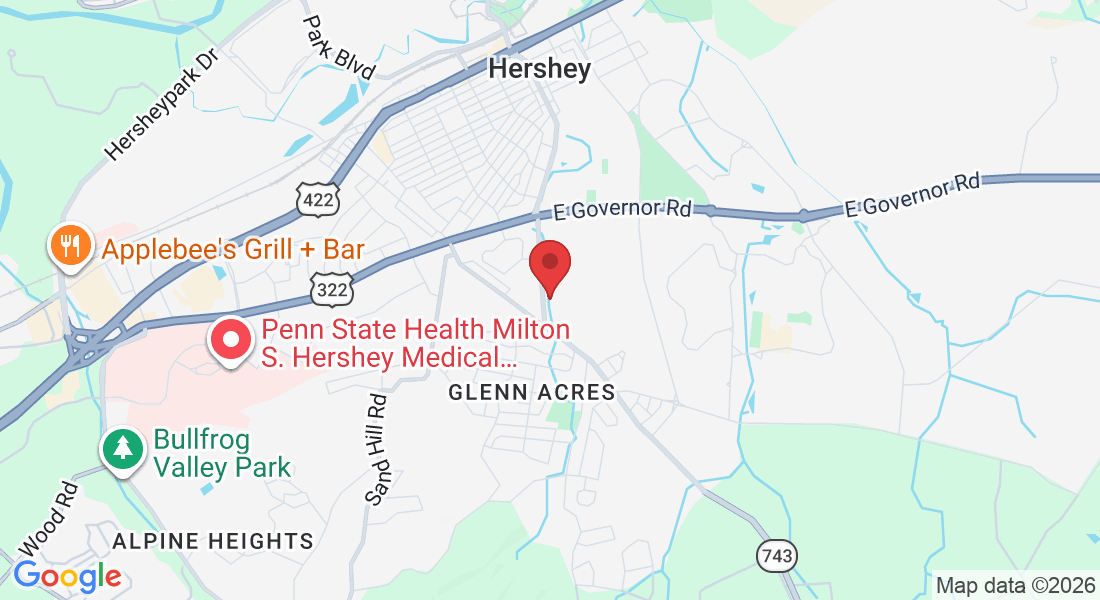
1249 Cocoa Avenue, Suite 190
Hershey, PA 17033
Phone: (717) 882-5888
OFFICE HOURS
By Appointment Only. Call for Availability
GET IN TOUCH
© Copyright 2023. Three Angels Family Practice & Wellness Center | Sitemap | Accessibility
Powered by Cima Growth Solutions
LOCATION
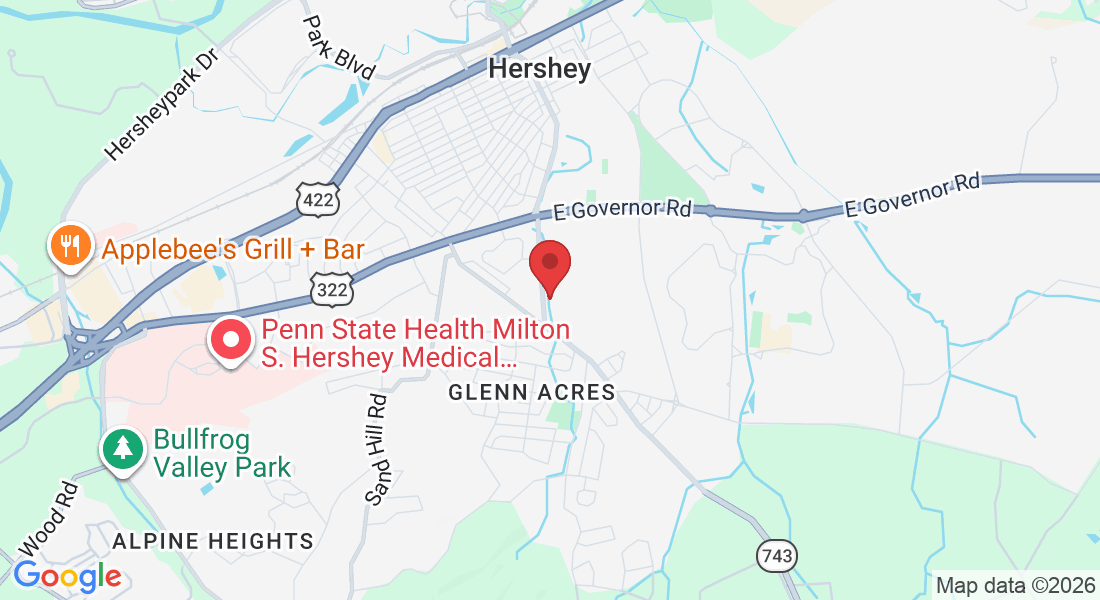
1249 Cocoa Avenue, Suite 190
Hershey, PA 17033
Phone: (717) 882-5888
OFFICE HOURS
By Appointment Only
Call (717) 882-5888
GET IN TOUCH
© Copyright 2023. Three Angels Family Practice & Wellness Center | Sitemap | Accessibility
Powered by Cima Growth Solutions