BLOGS
BLOGS

Colorectal Cancer Screening Now Starts at 45: What to Know
Colorectal cancer is one of the most preventable cancers we have. And yet, too many people are diagnosed too late—often because they didn't know screening was recommended or thought it wasn't necessary until they turned 50.
In 2021, the U.S. Preventive Services Task Force (USPSTF) updated its guidelines. Screening now starts at age 45, five years earlier than before. If you live in Hershey, Hummelstown, Palmyra, or anywhere nearby and you're in your mid-40s, this recommendation applies to you—even if you feel perfectly fine.
Here's what changed, why it matters, and what your options are.
What Is Colorectal Cancer?
Colorectal cancer is cancer that begins in the colon (large intestine) or the rectum. Together, these two sections make up the lower end of your digestive system. When abnormal cells in the lining of the colon or rectum start growing out of control, they can form a tumor.
Most colorectal cancers don't appear out of nowhere. They typically start as polyps—small, abnormal growths on the lining of the colon or rectum. Most polyps are harmless, but some types, called adenomatous polyps, can slowly turn into cancer over several years. This is exactly why screening is so powerful: a colonoscopy can find and remove polyps before they ever become cancer.
According to the American Cancer Society, an estimated 158,850 people in the U.S. will be diagnosed with colorectal cancer in 2026, and 55,230 will die from the disease. It is the third most commonly diagnosed cancer and the second leading cause of cancer-related death in the United States.
Why the Guidelines Changed: A Troubling Trend
For decades, colorectal cancer was considered a disease of older adults. Rates in people 65 and older have been declining steadily—thanks largely to increased screening. But in younger adults, the picture is different.
According to a 2026 report in CA: A Cancer Journal for Clinicians, colorectal cancer incidence rates increased by 3% annually in adults aged 20–49 years from 2013 to 2022. Rates in adults over 65 declined 2.5% per year during the same period. This isn't a rounding error—it's a clear, sustained reversal in who is getting this disease.
The consequences are real. Colorectal cancer is now the leading cause of cancer death in adults younger than 50 in the United States. Among those 45–49, approximately 43% of early-onset cases fall in this exact age group—people who, until recently, weren't routinely offered screening.
Researchers aren't entirely sure why rates are rising in younger people. Suspected contributors include increased rates of obesity, changes in diet (particularly high consumption of ultra-processed foods and red meat), physical inactivity, and possibly environmental factors. What is clear is that waiting until 50 to start looking means missing a critical window in a growing number of people.
The USPSTF's 2021 decision to lower the screening start age to 45 was based on modeling studies showing that earlier screening provides a favorable balance of benefits and harms. The American Cancer Society made the same recommendation in 2018.
Your Screening Options
There is no single "right" screening test for everyone. The USPSTF and CDC recommend several options, each with different schedules, levels of accuracy, and amounts of preparation. The key point, as researchers and clinicians often say: the best test is the test that actually gets done.
Per the CDC, the main approved options include:
- Colonoscopy (every 10 years). The gold standard. A doctor uses a thin, flexible, lighted tube to examine the entire colon and rectum. Polyps can be found and removed during the same procedure. It requires bowel preparation the day before and sedation, so you'll need a driver. Colonoscopy detects cancer with greater than 99% accuracy.
- FIT (fecal immunochemical test, every year). Done at home. You collect a small stool sample and mail it to a lab. The test looks for hidden blood in the stool, which can be a sign of polyps or cancer. No dietary restrictions, no prep. It detects about 8 out of 10 colorectal cancers. A positive result requires a follow-up colonoscopy.
- Stool DNA test / Cologuard (every 3 years). Also done at home. This test combines a FIT test with analysis of DNA changes that can signal polyps or cancer. It detects about 9 out of 10 cancers. A positive result requires a follow-up colonoscopy.
- Virtual colonoscopy — CT colonography (every 5 years). Uses X-rays and computer imaging to produce detailed pictures of the colon. Less invasive than a traditional colonoscopy, but bowel prep is still required, and if something is found, a standard colonoscopy follows.
An important insurance note: all of these screening options are fully covered under the Affordable Care Act for adults 45 and older—no copay, and they don't count toward your deductible. If a stool-based test comes back positive and you need a follow-up colonoscopy, that follow-up is also covered as part of completing the screening process.
Symptoms to Pay Attention To
One of the most important things to understand about colorectal cancer is that it often causes no symptoms in its early stages. Polyps don't hurt. Early cancers don't announce themselves. This is exactly why regular screening is so valuable—it finds problems before you feel them.
That said, there are warning signs worth knowing. The CDC lists the following symptoms that should prompt a conversation with your doctor:
- Blood in or on your stool
- A change in bowel habits that lasts more than a few weeks
- Diarrhea, constipation, or a feeling that your bowel doesn't empty all the way
- Abdominal pain, aches, or cramps that don't go away
- Unexplained weight loss
- Low iron levels in your blood (iron-deficiency anemia) without a clear cause
A 2023 study published in JNCI: Journal of the National Cancer Institute analyzed more than 5,000 early-onset colorectal cancer cases and found that four red-flag symptoms—abdominal pain, rectal bleeding, diarrhea, and iron-deficiency anemia—appeared in some patients up to 18 months before diagnosis. Rectal bleeding had the strongest association with early-onset colorectal cancer.
One of the most common reasons these symptoms get dismissed: rectal bleeding is often attributed to hemorrhoids. And while hemorrhoids are indeed common and usually benign, blood in your stool should always be reported to your doctor so the cause can be confirmed. Don't wait and watch on your own.
Are You at Higher Risk?
The guidelines above apply to average-risk adults. If you have certain risk factors, your doctor may recommend starting screening before 45 or screening more frequently. Factors that raise your risk include:
- A personal or family history of colorectal cancer or adenomatous polyps
- A personal history of inflammatory bowel disease (Crohn's disease or ulcerative colitis)
- An inherited genetic condition such as Lynch syndrome or familial adenomatous polyposis (FAP)
- Obesity or type 2 diabetes
- Long-term smoking or heavy alcohol use
- A diet high in red or processed meat and low in fiber, fruits, and vegetables
- Physical inactivity
If any of these apply to you, it's worth talking with Dr. Joseph specifically about your screening timeline—not just following the general population guideline.
Why Early Detection Makes Such a Difference
When colorectal cancer is found at an early, localized stage—meaning it hasn't spread beyond the colon or rectum—the five-year survival rate is approximately 90%. When it has spread to distant organs, that number drops to around 14%.
Three in four colorectal cancers in younger adults are diagnosed at an advanced stage. This isn't because younger adults are unlucky—it's because they often haven't been screened, and because both patients and clinicians sometimes don't connect the symptoms to cancer in someone in their 40s.
Screening changes that equation entirely. Finding a precancerous polyp during a routine colonoscopy means removing it before it ever becomes cancer. That's not just early detection—it's prevention.
How Three Angels Family Practice Approaches Colorectal Cancer Screening
At Three Angels Family Practice & Wellness Center in Hershey, PA, Dr. Danette J. Joseph, MD—board-certified in family medicine—incorporates cancer screening conversations into every annual physical and preventive care visit. She takes a whole-person approach: looking at your personal risk factors, family history, and lifestyle alongside the standard guidelines to help you choose a screening strategy that actually fits your life.
Not everyone is ready for a colonoscopy. Not everyone's schedule allows for it. Dr. Joseph can help you understand the at-home options, walk through what a positive result means and what happens next, and coordinate the follow-up care you need. The goal isn't to hand you a guideline printout—it's to have a real conversation that ends with you actually getting screened.
If you're 45 or older—or approaching 45—and you haven't discussed colorectal cancer screening yet, your next annual physical is the right time to start. If you're younger and have risk factors on the list above, don't wait for that birthday.
Talk with Dr. Joseph
If you'd like to discuss colorectal cancer screening with Dr. Danette J. Joseph, our board-certified family medicine physician at Three Angels Family Practice & Wellness Center in Hershey, PA, we're welcoming new patients. We also serve families in Hummelstown, Palmyra, Middletown, and communities throughout Central Pennsylvania.
Request an appointment online or call (717) 298-1268.
Medical disclaimer: This article is for general educational purposes and does not constitute medical advice, diagnosis, or treatment. Always consult a qualified healthcare provider with questions about a medical condition or before starting, stopping, or changing any treatment. Reading this article does not create a physician-patient relationship with Dr. Danette J. Joseph or Three Angels Family Practice & Wellness Center.
LOCATION
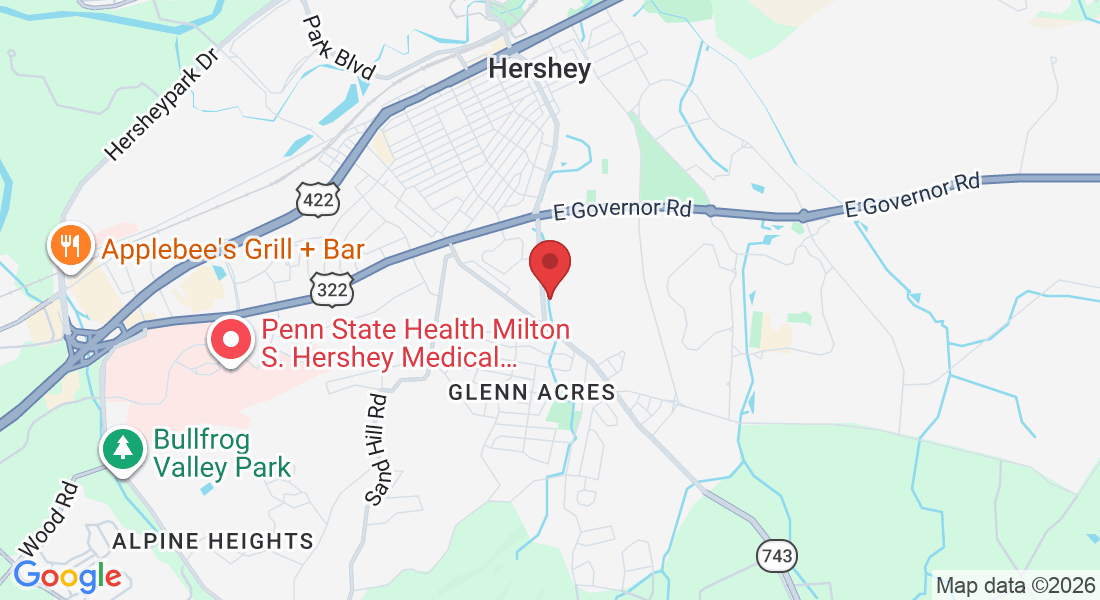
1249 Cocoa Avenue, Suite 190
Hershey, PA 17033
Phone: (717) 882-5888
OFFICE HOURS
By Appointment Only. Call for Availability
GET IN TOUCH
© Copyright 2023. Three Angels Family Practice & Wellness Center | Sitemap | Accessibility
Powered by Cima Growth Solutions
LOCATION
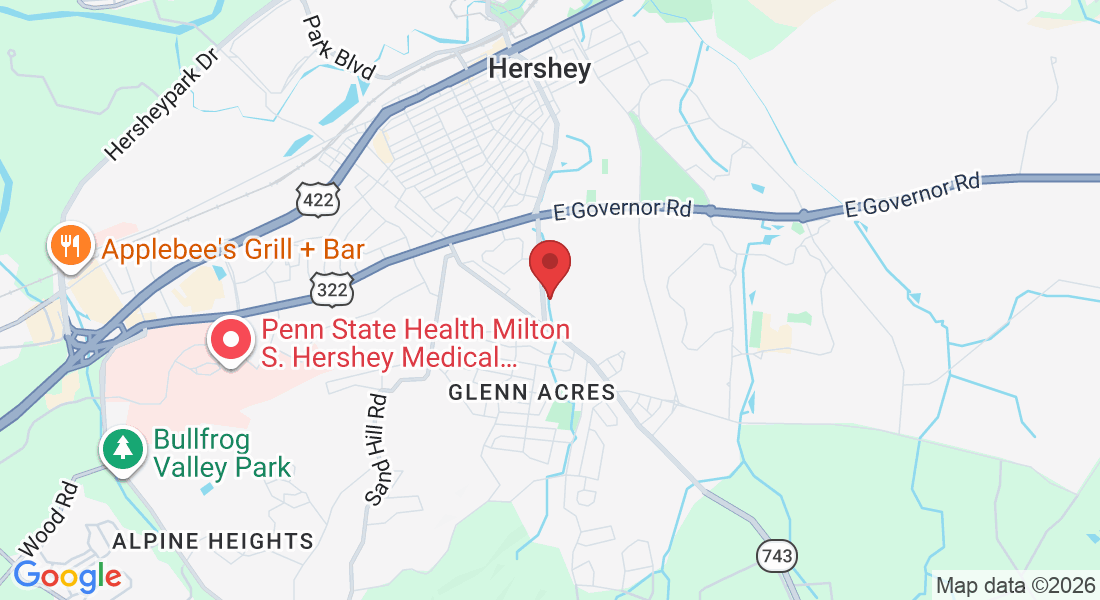
1249 Cocoa Avenue, Suite 190
Hershey, PA 17033
Phone: (717) 882-5888
OFFICE HOURS
By Appointment Only
Call (717) 882-5888
GET IN TOUCH
© Copyright 2023. Three Angels Family Practice & Wellness Center | Sitemap | Accessibility
Powered by Cima Growth Solutions