BLOGS
BLOGS
Back-to-School Health Guide for Central PA Families
August in Central Pennsylvania means something familiar: late-summer heat, county fairs winding down, and a whole lot of back-to-school shopping. But before the new backpack gets loaded and the bus schedule gets memorized, there's one more item that belongs on every parent's to-do list — making sure your child is truly ready, health-wise, for the year ahead.
This guide walks through the most important back-to-school health steps for families in Hershey, Hummelstown, Palmyra, and the surrounding communities we serve at Three Angels Family Practice & Wellness Center. It's not exhaustive — your child's provider knows your child best — but it covers the areas where parents most often have questions, or quietly let things slip.
Schedule (or Confirm) the Annual Well-Child Visit
The well-child visit — sometimes called an annual checkup or physical — is the cornerstone of keeping kids healthy from infancy through young adulthood. The American Academy of Pediatrics (AAP) Bright Futures guidelines recommend annual visits from age 3 all the way through age 21.
What happens at these visits? Quite a lot, depending on your child's age:
- Growth monitoring — height, weight, and body mass index (BMI) to track developmental trends over time
- Vision and hearing screening — particularly important in younger school-age children, since undetected vision or hearing problems directly affect learning
- Blood pressure check — yes, even for kids; elevated blood pressure can appear at any age
- Developmental and behavioral assessment — how your child is doing socially, emotionally, and academically
- Vaccine review and updates (more on this below)
Many families schedule well-child visits right before the school year starts. That's a practical habit, and it means the visit stays connected to a natural seasonal reminder. If you're not sure when your child last had one, call the office — we're happy to help you check.
Know Pennsylvania's School Vaccine Requirements
Pennsylvania law requires that all students enrolled in public, private, nonpublic, and home education programs be immunized against a set of communicable diseases before attending school. These requirements are set by the Pennsylvania Department of Health under 28 Pa. Code §§ 23.81–87, and were last updated in May 2026.
For all K–12 students, the required vaccines include:
- DTaP — diphtheria, tetanus, and pertussis (whooping cough): 4 doses, with one dose on or after the fourth birthday
- Polio (IPV): 4 doses
- MMR — measles, mumps, and rubella: 2 doses
- Varicella (chickenpox): 2 doses, unless your child had confirmed chickenpox disease
- Hepatitis B: 3-dose series
For seventh graders specifically, Pennsylvania adds two more requirements on the first day of that school year: one dose of Tdap (a booster for tetanus, diphtheria, and pertussis) and one dose of meningococcal conjugate vaccine (MCV), which protects against bacterial meningitis. A second MCV dose is required for twelfth graders.
If a student arrives without satisfying these requirements, schools are legally required to begin exclusion proceedings after a five-day provisional window. The good news: most pediatric and family medicine practices, including Three Angels, can review your child's immunization record and administer any missing vaccines at the same visit.
One note worth raising with your provider: the AAP published its own 2026 childhood immunization schedule this year, which differs in some respects from the CDC's January 2026 federal schedule. Pennsylvania's school requirements haven't changed, but it's reasonable to ask your family medicine provider which schedule they're following and why.
A Sports Physical Is Not the Same as a Well-Child Visit
This is one of the most common mix-ups we see. A sports physical — formally called a pre-participation physical evaluation (PPE) — is a limited exam. Its purpose is to clear your child to safely participate in physically demanding activities by checking cardiovascular health, musculoskeletal function, and a few key vitals.
That's valuable. But it is not a comprehensive well-child exam. A sports physical won't include a full vaccine review, behavioral screening, developmental assessment, vision or hearing tests, or the ongoing relationship-building that makes a primary care visit so important.
The American Academy of Family Physicians is clear on this: the annual well-child visit and the sports physical serve different purposes. If your child had a sports physical this summer, confirm with your provider whether a separate annual well-child visit is still needed. In most cases, it is.
Sleep: the Most Overlooked Back-to-School Health Factor
Summer tends to unwind sleep schedules. Later bedtimes, screens running past midnight, sleeping in until 10 — none of that is catastrophic in July. But it becomes a real problem when school starts and the alarm goes off at 6:30 a.m.
According to the CDC, citing recommendations from the American Academy of Sleep Medicine (AASM):
- Children ages 6–12 need 9 to 12 hours of sleep per night
- Teenagers ages 13–18 need 8 to 10 hours per night
The gap between what's needed and what actually happens is striking. CDC data from the national Youth Risk Behavior Survey found that about 7 in 10 high school students were not getting enough sleep on school nights. The consequences go well beyond grogginess: insufficient sleep in children and adolescents is linked to higher risks of obesity, type 2 diabetes, poor mental health, injuries, attention difficulties, and lower academic achievement.
What can you do right now? Start shifting bedtimes earlier — by 15 minutes every few days — at least two weeks before school begins. Consistent wake times matter just as much as consistent bedtimes. And the AAP recommends turning screens off at least one hour before bed, since the blue light from phones and tablets suppresses melatonin, the hormone that signals to the body that it's time to sleep.
If your child routinely struggles to fall or stay asleep even with good habits in place, that's worth raising at their next well-child visit. Sleep problems in children are often treatable.
Watch for Mental Health Signs as School Restarts
Back-to-school transitions can surface — or amplify — anxiety, mood changes, and behavioral shifts in children of all ages. A new school, a new teacher, social pressures, and academic expectations are genuine stressors, and children don't always have the language to name what they're experiencing.
The numbers paint a sobering picture. A 2025 AAP clinical report published in Pediatrics found that an estimated 13 to 20 percent of U.S. children experience a mental, emotional, or behavioral (MEB) disorder at any given time — and an additional 19 percent have problems that cause real impairment but don't yet meet the formal diagnostic threshold. By age 16, nearly 40 percent of U.S. teens may have an MEB diagnosis.
Crucially, there is often a two-to-four-year window between when symptoms first appear and when a child receives a diagnosis. That gap represents missed time for intervention and support.
The AAP now recommends:
- Annual global mental and behavioral health screening for all children after age 3
- Anxiety screening starting at age 8
- Depression screening starting at age 12
These screenings happen at well-child visits — another reason that annual exam is so important. If your child is showing signs of persistent sadness, unusual irritability, school avoidance, changes in appetite or sleep, or withdrawing from friends and activities, don't wait for the next scheduled physical. Call to discuss it sooner.
A Few More Items Before Day One
Beyond vaccines, physicals, sleep, and mental health, a thorough back-to-school health check should also include:
- Vision screening or eye exam. If your child squints at the board, complains of headaches after reading, or lost ground academically last year, a vision check is worth scheduling. The well-child visit includes a basic screen, but an optometrist can do a more complete evaluation.
- Allergy and asthma action plans. If your child has known allergies or asthma, make sure the school nurse has an up-to-date action plan, emergency medications (EpiPen, inhaler), and contact information for your provider. Many schools require these documents to be renewed annually.
- Medication management. If your child takes prescription medication — for ADHD, seizures, a chronic condition — confirm that you have enough supply for the first weeks of school and that the school has any necessary authorization forms.
- Healthy morning routines. Breakfast matters. Research consistently shows that children who eat breakfast have better concentration, behavior, and academic performance than those who don't. Aim for a mix of protein, complex carbohydrates, and healthy fat to sustain energy through mid-morning.
How Three Angels Family Practice Approaches Back-to-School Health
At Three Angels Family Practice & Wellness Center in Hershey, Dr. Danette J. Joseph, MD, takes a whole-child approach to family health. Dr. Joseph is board-certified in family medicine and brings more than 10 years of experience caring for families in Central Pennsylvania, with an integrative perspective that combines evidence-based medicine with lifestyle and preventive care.
Back-to-school season is one of our busiest times of year — for good reason. Whether your child needs a comprehensive well-child exam, a review of their vaccine history, or a conversation about sleep or mood concerns, we can help. We serve families in Hershey, Hummelstown, Campbelltown, Middletown, Elizabethtown, Palmyra, and communities throughout the greater Harrisburg area.
If school starts in the next few weeks and your child hasn't had their annual visit, now is the time to schedule.
Talk with Dr. Joseph About Your Child's Health
If you'd like to discuss back-to-school health with Dr. Joseph, our board-certified family medicine physician at Three Angels Family Practice & Wellness Center in Hershey, we are welcoming new patients. We also serve families from Hummelstown, Palmyra, Campbelltown, and Middletown.
Request an appointment online or call (717) 298-1268.
Medical disclaimer: This article is for general educational purposes and does not constitute medical advice, diagnosis, or treatment. Always consult a qualified healthcare provider with questions about a medical condition or before starting, stopping, or changing any treatment. Reading this article does not create a physician-patient relationship with Dr. Danette J. Joseph or Three Angels Family Practice & Wellness Center.

Back-to-School Health Guide for Central PA Families
August in Central Pennsylvania means something familiar: late-summer heat, county fairs winding down, and a whole lot of back-to-school shopping. But before the new backpack gets loaded and the bus schedule gets memorized, there's one more item that belongs on every parent's to-do list — making sure your child is truly ready, health-wise, for the year ahead.
This guide walks through the most important back-to-school health steps for families in Hershey, Hummelstown, Palmyra, and the surrounding communities we serve at Three Angels Family Practice & Wellness Center. It's not exhaustive — your child's provider knows your child best — but it covers the areas where parents most often have questions, or quietly let things slip.
Schedule (or Confirm) the Annual Well-Child Visit
The well-child visit — sometimes called an annual checkup or physical — is the cornerstone of keeping kids healthy from infancy through young adulthood. The American Academy of Pediatrics (AAP) Bright Futures guidelines recommend annual visits from age 3 all the way through age 21.
What happens at these visits? Quite a lot, depending on your child's age:
- Growth monitoring — height, weight, and body mass index (BMI) to track developmental trends over time
- Vision and hearing screening — particularly important in younger school-age children, since undetected vision or hearing problems directly affect learning
- Blood pressure check — yes, even for kids; elevated blood pressure can appear at any age
- Developmental and behavioral assessment — how your child is doing socially, emotionally, and academically
- Vaccine review and updates (more on this below)
Many families schedule well-child visits right before the school year starts. That's a practical habit, and it means the visit stays connected to a natural seasonal reminder. If you're not sure when your child last had one, call the office — we're happy to help you check.
Know Pennsylvania's School Vaccine Requirements
Pennsylvania law requires that all students enrolled in public, private, nonpublic, and home education programs be immunized against a set of communicable diseases before attending school. These requirements are set by the Pennsylvania Department of Health under 28 Pa. Code §§ 23.81–87, and were last updated in May 2026.
For all K–12 students, the required vaccines include:
- DTaP — diphtheria, tetanus, and pertussis (whooping cough): 4 doses, with one dose on or after the fourth birthday
- Polio (IPV): 4 doses
- MMR — measles, mumps, and rubella: 2 doses
- Varicella (chickenpox): 2 doses, unless your child had confirmed chickenpox disease
- Hepatitis B: 3-dose series
For seventh graders specifically, Pennsylvania adds two more requirements on the first day of that school year: one dose of Tdap (a booster for tetanus, diphtheria, and pertussis) and one dose of meningococcal conjugate vaccine (MCV), which protects against bacterial meningitis. A second MCV dose is required for twelfth graders.
If a student arrives without satisfying these requirements, schools are legally required to begin exclusion proceedings after a five-day provisional window. The good news: most pediatric and family medicine practices, including Three Angels, can review your child's immunization record and administer any missing vaccines at the same visit.
One note worth raising with your provider: the AAP published its own 2026 childhood immunization schedule this year, which differs in some respects from the CDC's January 2026 federal schedule. Pennsylvania's school requirements haven't changed, but it's reasonable to ask your family medicine provider which schedule they're following and why.
A Sports Physical Is Not the Same as a Well-Child Visit
This is one of the most common mix-ups we see. A sports physical — formally called a pre-participation physical evaluation (PPE) — is a limited exam. Its purpose is to clear your child to safely participate in physically demanding activities by checking cardiovascular health, musculoskeletal function, and a few key vitals.
That's valuable. But it is not a comprehensive well-child exam. A sports physical won't include a full vaccine review, behavioral screening, developmental assessment, vision or hearing tests, or the ongoing relationship-building that makes a primary care visit so important.
The American Academy of Family Physicians is clear on this: the annual well-child visit and the sports physical serve different purposes. If your child had a sports physical this summer, confirm with your provider whether a separate annual well-child visit is still needed. In most cases, it is.
Sleep: the Most Overlooked Back-to-School Health Factor
Summer tends to unwind sleep schedules. Later bedtimes, screens running past midnight, sleeping in until 10 — none of that is catastrophic in July. But it becomes a real problem when school starts and the alarm goes off at 6:30 a.m.
According to the CDC, citing recommendations from the American Academy of Sleep Medicine (AASM):
- Children ages 6–12 need 9 to 12 hours of sleep per night
- Teenagers ages 13–18 need 8 to 10 hours per night
The gap between what's needed and what actually happens is striking. CDC data from the national Youth Risk Behavior Survey found that about 7 in 10 high school students were not getting enough sleep on school nights. The consequences go well beyond grogginess: insufficient sleep in children and adolescents is linked to higher risks of obesity, type 2 diabetes, poor mental health, injuries, attention difficulties, and lower academic achievement.
What can you do right now? Start shifting bedtimes earlier — by 15 minutes every few days — at least two weeks before school begins. Consistent wake times matter just as much as consistent bedtimes. And the AAP recommends turning screens off at least one hour before bed, since the blue light from phones and tablets suppresses melatonin, the hormone that signals to the body that it's time to sleep.
If your child routinely struggles to fall or stay asleep even with good habits in place, that's worth raising at their next well-child visit. Sleep problems in children are often treatable.
Watch for Mental Health Signs as School Restarts
Back-to-school transitions can surface — or amplify — anxiety, mood changes, and behavioral shifts in children of all ages. A new school, a new teacher, social pressures, and academic expectations are genuine stressors, and children don't always have the language to name what they're experiencing.
The numbers paint a sobering picture. A 2025 AAP clinical report published in Pediatrics found that an estimated 13 to 20 percent of U.S. children experience a mental, emotional, or behavioral (MEB) disorder at any given time — and an additional 19 percent have problems that cause real impairment but don't yet meet the formal diagnostic threshold. By age 16, nearly 40 percent of U.S. teens may have an MEB diagnosis.
Crucially, there is often a two-to-four-year window between when symptoms first appear and when a child receives a diagnosis. That gap represents missed time for intervention and support.
The AAP now recommends:
- Annual global mental and behavioral health screening for all children after age 3
- Anxiety screening starting at age 8
- Depression screening starting at age 12
These screenings happen at well-child visits — another reason that annual exam is so important. If your child is showing signs of persistent sadness, unusual irritability, school avoidance, changes in appetite or sleep, or withdrawing from friends and activities, don't wait for the next scheduled physical. Call to discuss it sooner.
A Few More Items Before Day One
Beyond vaccines, physicals, sleep, and mental health, a thorough back-to-school health check should also include:
- Vision screening or eye exam. If your child squints at the board, complains of headaches after reading, or lost ground academically last year, a vision check is worth scheduling. The well-child visit includes a basic screen, but an optometrist can do a more complete evaluation.
- Allergy and asthma action plans. If your child has known allergies or asthma, make sure the school nurse has an up-to-date action plan, emergency medications (EpiPen, inhaler), and contact information for your provider. Many schools require these documents to be renewed annually.
- Medication management. If your child takes prescription medication — for ADHD, seizures, a chronic condition — confirm that you have enough supply for the first weeks of school and that the school has any necessary authorization forms.
- Healthy morning routines. Breakfast matters. Research consistently shows that children who eat breakfast have better concentration, behavior, and academic performance than those who don't. Aim for a mix of protein, complex carbohydrates, and healthy fat to sustain energy through mid-morning.
How Three Angels Family Practice Approaches Back-to-School Health
At Three Angels Family Practice & Wellness Center in Hershey, Dr. Danette J. Joseph, MD, takes a whole-child approach to family health. Dr. Joseph is board-certified in family medicine and brings more than 10 years of experience caring for families in Central Pennsylvania, with an integrative perspective that combines evidence-based medicine with lifestyle and preventive care.
Back-to-school season is one of our busiest times of year — for good reason. Whether your child needs a comprehensive well-child exam, a review of their vaccine history, or a conversation about sleep or mood concerns, we can help. We serve families in Hershey, Hummelstown, Campbelltown, Middletown, Elizabethtown, Palmyra, and communities throughout the greater Harrisburg area.
If school starts in the next few weeks and your child hasn't had their annual visit, now is the time to schedule.
Talk with Dr. Joseph About Your Child's Health
If you'd like to discuss back-to-school health with Dr. Joseph, our board-certified family medicine physician at Three Angels Family Practice & Wellness Center in Hershey, we are welcoming new patients. We also serve families from Hummelstown, Palmyra, Campbelltown, and Middletown.
Request an appointment online or call (717) 298-1268.
Medical disclaimer: This article is for general educational purposes and does not constitute medical advice, diagnosis, or treatment. Always consult a qualified healthcare provider with questions about a medical condition or before starting, stopping, or changing any treatment. Reading this article does not create a physician-patient relationship with Dr. Danette J. Joseph or Three Angels Family Practice & Wellness Center.
LOCATION
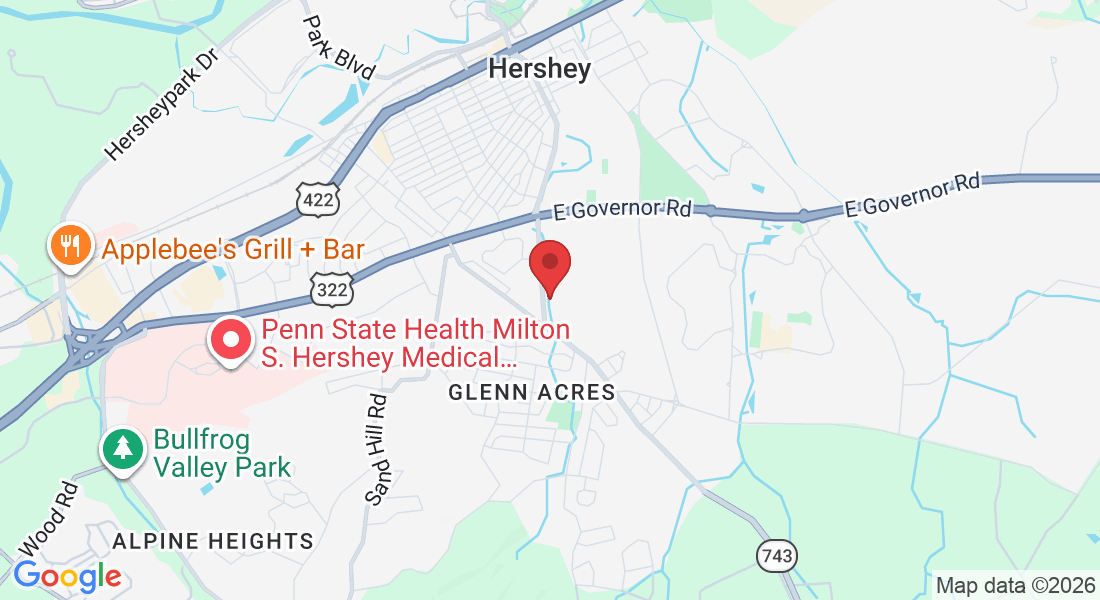
1249 Cocoa Avenue, Suite 190
Hershey, PA 17033
Phone: (717) 882-5888
OFFICE HOURS
By Appointment Only. Call for Availability
GET IN TOUCH
© Copyright 2023. Three Angels Family Practice & Wellness Center | Sitemap | Accessibility
Powered by Cima Growth Solutions
LOCATION
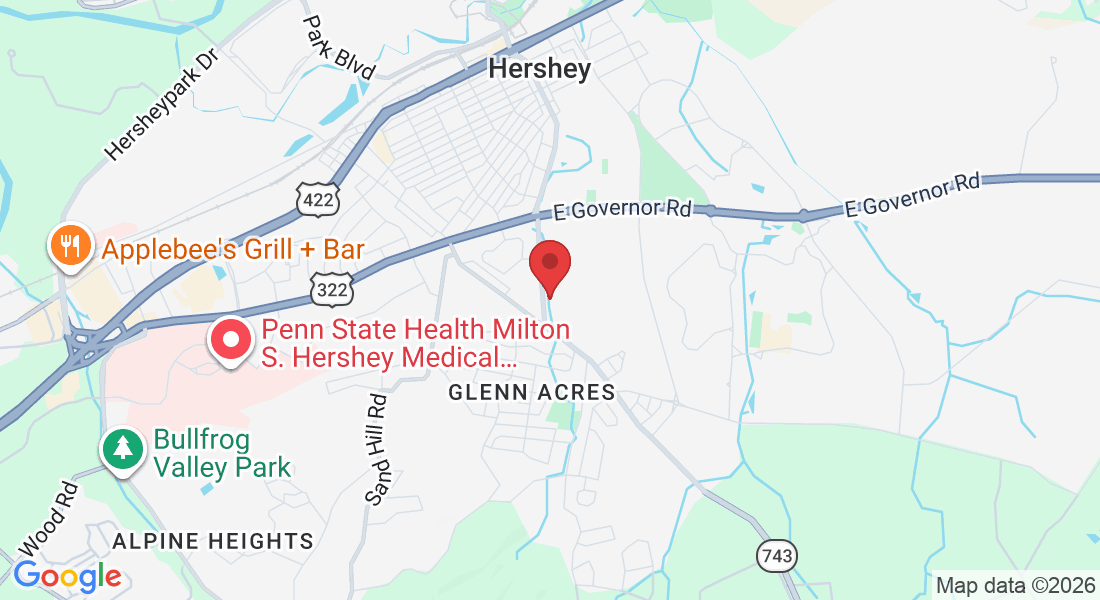
1249 Cocoa Avenue, Suite 190
Hershey, PA 17033
Phone: (717) 882-5888
OFFICE HOURS
By Appointment Only
Call (717) 882-5888
GET IN TOUCH
© Copyright 2023. Three Angels Family Practice & Wellness Center | Sitemap | Accessibility
Powered by Cima Growth Solutions