BLOGS
BLOGS
Back-to-School Health: A Checklist for Central PA Parents
Why This Week Is the Right Time to Call Your Child's Doctor
School bells will be ringing across Hershey, Hummelstown, Palmyra, and Middletown before you know it. New backpacks are ready. New shoes are by the door. But one thing many Central Pennsylvania families put off until the last minute — or skip entirely — is the back-to-school health check-up.
This is the annual well-child visit, and it is one of the most important appointments in your child's year. It is also the best time to take care of sports physicals, make sure vaccinations are current, screen for mental health concerns, and talk honestly with your doctor about how your child is really doing. Late August is ideal timing. Early fall sports seasons are starting. Classrooms are filling up. And with a little planning, you can head into September knowing your child is ready.
Dr. Danette J. Joseph, MD, a board-certified family medicine physician at Three Angels Family Practice & Wellness Center in Hershey, PA, sees families through every stage of a child's growth. Here is what she and the evidence say every Central PA parent should know right now.
The Annual Well-Child Visit: What It Is and What Happens
A well-child visit is a routine preventive check-up for children who are currently healthy. It is not just for sick kids. The American Academy of Pediatrics (AAP) Bright Futures Periodicity Schedule — updated in February 2025 — recommends that children receive an annual well-child visit every year from age 3 all the way through age 21.
During the visit, your child's provider will:
- Measure height, weight, and body mass index (BMI) to track growth over time
- Screen vision and hearing
- Review developmental milestones and school performance
- Assess nutrition, physical activity, and screen time habits
- Review and update immunizations
- Screen for mental health concerns, including anxiety and depression
- Ask about home life, relationships, and any concerns you or your child have
Many families are surprised by how much ground a well-child visit covers. It is not just about the physical body. The AAP's guidelines specifically include mental and emotional health screening at every annual visit, because those concerns are just as real — and just as treatable — as a high fever or a sprained ankle.
One practical note: many states, including Pennsylvania, require proof of a current physical and up-to-date immunizations for school enrollment and sports participation. Scheduling now — not the week before school starts — gives you time to address any gaps before they become a problem.
Sports Physicals: More Than a Checkbox
If your child plays football in Hershey, runs cross-country in Mechanicsburg, or joins a soccer team in Harrisburg, they need a preparticipation physical evaluation (PPE) — more commonly called a sports physical. According to the American Academy of Family Physicians (AAFP), roughly 60 million children and adolescents participate in organized sports in the United States, and the PPE is a key safety tool for all of them.
The AAP recommends scheduling sports physicals at least six weeks before the first scheduled practice. That means if your child's season starts in September, right now is the time to book.
What does a sports physical actually cover? The AAP's Preparticipation Physical Evaluation (PPE5) guidelines — developed by six major medical organizations — direct physicians to examine:
- The cardiovascular system. This is the primary safety concern. The exam screens for heart rhythm problems and structural heart conditions that could pose a risk during intense exercise.
- The musculoskeletal system. Joints, bones, and muscle strength are evaluated, with particular attention to prior injuries that may need rehabilitation before return to sport.
- The neurological system. History of concussion is reviewed carefully. Athletes with unresolved concussion symptoms should not be cleared for contact sports.
- Mental health. The PPE5 specifically recommends screening for depression, anxiety disorders, and ADHD (attention-deficit/hyperactivity disorder) as part of the sports physical.
The PPE guidelines strongly recommend that sports physicals be done in a primary care physician's office — not at a mass screening event — because your doctor knows your child's history and can provide continuity of care if any concern is found.
After the evaluation, your provider will determine whether your child is medically eligible to participate, eligible with restrictions, or in need of further evaluation before clearance. The goal is always to keep young athletes safe and active — not to sideline them unnecessarily.
What the Research Says About Children's Sleep
Here is a fact that surprises many parents: sleep is one of the most powerful health tools available to growing children. And back-to-school season is exactly when sleep schedules fall apart.
After a summer of later bedtimes and lazy mornings, re-establishing a healthy sleep routine is critical before the first school day arrives. A consensus statement from the American Academy of Sleep Medicine (AASM), endorsed by the American Academy of Pediatrics, lays out the evidence after a review of 864 published scientific articles:
- Children ages 6–12 need 9 to 12 hours of sleep per night
- Teenagers ages 13–18 need 8 to 10 hours per night
These are not just suggestions. The AASM's conclusion: regularly sleeping fewer hours than recommended is associated with attention problems, behavior issues, and learning difficulties. Chronic insufficient sleep in children also increases the risk of hypertension, obesity, diabetes, and depression.
For teenagers, biology makes this harder. The sleep-wake cycle naturally shifts about two hours later at the start of puberty, meaning a teen who needs to be up at 6:30 a.m. for a 7:30 school start is fighting their own circadian rhythm. The AAP has advocated for middle and high schools to start no earlier than 8:30 a.m. — but until schedules change, the practical answer is an earlier bedtime.
Start now: move your child's bedtime 15 minutes earlier every two to three days. Turn off screens at least an hour before bed. Keep the bedroom cool and dark. These small, consistent changes make a real difference in how your child feels on that first morning back.
Children's Mental Health: The Number Every Parent Should Know
Back-to-school season brings excitement for many children — and genuine dread for others. Separation anxiety, social worries, fear of academic failure, and performance pressure are real. And they are increasingly common.
CDC data from 2023–2024 shows that 11% of children ages 3 to 17 have a currently diagnosed anxiety disorder, and 4% have a diagnosed depressive disorder. Among older adolescents, those numbers climb higher. The CDC's 2023 Youth Risk Behavior Survey found that 40% of high school students reported persistent feelings of sadness or hopelessness in the past year — nearly two out of every five teenagers.
Some nervousness about a new grade or a new school is completely normal and healthy. The distinction to watch for is whether anxiety or sadness is persistent, is interfering with daily life, or is causing your child to avoid things they used to enjoy.
Signs worth discussing with your doctor include:
- Frequent stomachaches or headaches before school with no clear medical cause
- Refusing to go to school or to activities they previously enjoyed
- Significant changes in appetite or sleep
- Withdrawal from friends and family
- Increased irritability, anger, or tearfulness that is out of character
- Expressing feelings of worthlessness or hopelessness
Both the well-child visit and the sports physical are natural opportunities to raise these concerns with your doctor. Dr. Joseph routinely creates space for children and teenagers to speak privately during the visit — where they may share things they would not say with a parent in the room.
Your Back-to-School Health Checklist
Here is a quick summary of what to address before the school year begins:
- Schedule the annual well-child visit — even if your child seems perfectly healthy. Preventive care catches problems before they grow.
- Book the sports physical early — at least six weeks before the first practice, and do it with your primary care physician who knows your child's full medical history.
- Review immunizations — ask your provider whether your child is current on all age-appropriate vaccines, including Tdap, HPV (typically starting at age 11 or 12), and the annual flu vaccine ahead of flu season.
- Start adjusting sleep schedules now — don't wait until the night before school starts. Shift bedtimes gradually over the next few weeks.
- Check in on your child's emotional wellbeing — try open-ended questions: "What are you most excited about?" and "What are you most nervous about?" can open conversations that a direct question sometimes closes.
- Gather school forms — immunization records, physical examination documentation, and any medication authorization forms often need to be submitted on or before the first day.
How Three Angels Approaches Back-to-School Care
At Three Angels Family Practice & Wellness Center, back-to-school season is one of the busiest and most meaningful times of year. Dr. Joseph brings an integrative, whole-person approach to pediatric and family care. The conversation is never just about blood pressure readings and BMI charts. It includes how your child is sleeping, how they feel about going back to school, what they are eating, how much time they spend on screens, and whether there is anything on their mind they have not yet been able to say out loud.
Dr. Joseph conducts annual physicals for children and adolescents, school physicals, and sports physicals. If a concern is identified — whether physical or emotional — she coordinates appropriate follow-up and specialist referrals within the Central PA community. The practice is currently welcoming new patients from Hershey, Hummelstown, Palmyra, Harrisburg, Mechanicsburg, Middletown, Camp Hill, Elizabethtown, and surrounding communities.
Talk with Dr. Joseph About Your Child's Back-to-School Health
If you'd like to schedule a well-child visit, sports physical, or back-to-school check-up with Dr. Danette J. Joseph at Three Angels Family Practice & Wellness Center in Hershey, PA, we are welcoming new patients. We also serve families in Hummelstown, Palmyra, Middletown, and Harrisburg.
Request an appointment online or call (717) 298-1268.
Medical disclaimer: This article is for general educational purposes and does not constitute medical advice, diagnosis, or treatment. Always consult a qualified healthcare provider with questions about a medical condition or before starting, stopping, or changing any treatment. Reading this article does not create a physician-patient relationship with Dr. Danette J. Joseph or Three Angels Family Practice & Wellness Center.

Back-to-School Health: A Checklist for Central PA Parents
Why This Week Is the Right Time to Call Your Child's Doctor
School bells will be ringing across Hershey, Hummelstown, Palmyra, and Middletown before you know it. New backpacks are ready. New shoes are by the door. But one thing many Central Pennsylvania families put off until the last minute — or skip entirely — is the back-to-school health check-up.
This is the annual well-child visit, and it is one of the most important appointments in your child's year. It is also the best time to take care of sports physicals, make sure vaccinations are current, screen for mental health concerns, and talk honestly with your doctor about how your child is really doing. Late August is ideal timing. Early fall sports seasons are starting. Classrooms are filling up. And with a little planning, you can head into September knowing your child is ready.
Dr. Danette J. Joseph, MD, a board-certified family medicine physician at Three Angels Family Practice & Wellness Center in Hershey, PA, sees families through every stage of a child's growth. Here is what she and the evidence say every Central PA parent should know right now.
The Annual Well-Child Visit: What It Is and What Happens
A well-child visit is a routine preventive check-up for children who are currently healthy. It is not just for sick kids. The American Academy of Pediatrics (AAP) Bright Futures Periodicity Schedule — updated in February 2025 — recommends that children receive an annual well-child visit every year from age 3 all the way through age 21.
During the visit, your child's provider will:
- Measure height, weight, and body mass index (BMI) to track growth over time
- Screen vision and hearing
- Review developmental milestones and school performance
- Assess nutrition, physical activity, and screen time habits
- Review and update immunizations
- Screen for mental health concerns, including anxiety and depression
- Ask about home life, relationships, and any concerns you or your child have
Many families are surprised by how much ground a well-child visit covers. It is not just about the physical body. The AAP's guidelines specifically include mental and emotional health screening at every annual visit, because those concerns are just as real — and just as treatable — as a high fever or a sprained ankle.
One practical note: many states, including Pennsylvania, require proof of a current physical and up-to-date immunizations for school enrollment and sports participation. Scheduling now — not the week before school starts — gives you time to address any gaps before they become a problem.
Sports Physicals: More Than a Checkbox
If your child plays football in Hershey, runs cross-country in Mechanicsburg, or joins a soccer team in Harrisburg, they need a preparticipation physical evaluation (PPE) — more commonly called a sports physical. According to the American Academy of Family Physicians (AAFP), roughly 60 million children and adolescents participate in organized sports in the United States, and the PPE is a key safety tool for all of them.
The AAP recommends scheduling sports physicals at least six weeks before the first scheduled practice. That means if your child's season starts in September, right now is the time to book.
What does a sports physical actually cover? The AAP's Preparticipation Physical Evaluation (PPE5) guidelines — developed by six major medical organizations — direct physicians to examine:
- The cardiovascular system. This is the primary safety concern. The exam screens for heart rhythm problems and structural heart conditions that could pose a risk during intense exercise.
- The musculoskeletal system. Joints, bones, and muscle strength are evaluated, with particular attention to prior injuries that may need rehabilitation before return to sport.
- The neurological system. History of concussion is reviewed carefully. Athletes with unresolved concussion symptoms should not be cleared for contact sports.
- Mental health. The PPE5 specifically recommends screening for depression, anxiety disorders, and ADHD (attention-deficit/hyperactivity disorder) as part of the sports physical.
The PPE guidelines strongly recommend that sports physicals be done in a primary care physician's office — not at a mass screening event — because your doctor knows your child's history and can provide continuity of care if any concern is found.
After the evaluation, your provider will determine whether your child is medically eligible to participate, eligible with restrictions, or in need of further evaluation before clearance. The goal is always to keep young athletes safe and active — not to sideline them unnecessarily.
What the Research Says About Children's Sleep
Here is a fact that surprises many parents: sleep is one of the most powerful health tools available to growing children. And back-to-school season is exactly when sleep schedules fall apart.
After a summer of later bedtimes and lazy mornings, re-establishing a healthy sleep routine is critical before the first school day arrives. A consensus statement from the American Academy of Sleep Medicine (AASM), endorsed by the American Academy of Pediatrics, lays out the evidence after a review of 864 published scientific articles:
- Children ages 6–12 need 9 to 12 hours of sleep per night
- Teenagers ages 13–18 need 8 to 10 hours per night
These are not just suggestions. The AASM's conclusion: regularly sleeping fewer hours than recommended is associated with attention problems, behavior issues, and learning difficulties. Chronic insufficient sleep in children also increases the risk of hypertension, obesity, diabetes, and depression.
For teenagers, biology makes this harder. The sleep-wake cycle naturally shifts about two hours later at the start of puberty, meaning a teen who needs to be up at 6:30 a.m. for a 7:30 school start is fighting their own circadian rhythm. The AAP has advocated for middle and high schools to start no earlier than 8:30 a.m. — but until schedules change, the practical answer is an earlier bedtime.
Start now: move your child's bedtime 15 minutes earlier every two to three days. Turn off screens at least an hour before bed. Keep the bedroom cool and dark. These small, consistent changes make a real difference in how your child feels on that first morning back.
Children's Mental Health: The Number Every Parent Should Know
Back-to-school season brings excitement for many children — and genuine dread for others. Separation anxiety, social worries, fear of academic failure, and performance pressure are real. And they are increasingly common.
CDC data from 2023–2024 shows that 11% of children ages 3 to 17 have a currently diagnosed anxiety disorder, and 4% have a diagnosed depressive disorder. Among older adolescents, those numbers climb higher. The CDC's 2023 Youth Risk Behavior Survey found that 40% of high school students reported persistent feelings of sadness or hopelessness in the past year — nearly two out of every five teenagers.
Some nervousness about a new grade or a new school is completely normal and healthy. The distinction to watch for is whether anxiety or sadness is persistent, is interfering with daily life, or is causing your child to avoid things they used to enjoy.
Signs worth discussing with your doctor include:
- Frequent stomachaches or headaches before school with no clear medical cause
- Refusing to go to school or to activities they previously enjoyed
- Significant changes in appetite or sleep
- Withdrawal from friends and family
- Increased irritability, anger, or tearfulness that is out of character
- Expressing feelings of worthlessness or hopelessness
Both the well-child visit and the sports physical are natural opportunities to raise these concerns with your doctor. Dr. Joseph routinely creates space for children and teenagers to speak privately during the visit — where they may share things they would not say with a parent in the room.
Your Back-to-School Health Checklist
Here is a quick summary of what to address before the school year begins:
- Schedule the annual well-child visit — even if your child seems perfectly healthy. Preventive care catches problems before they grow.
- Book the sports physical early — at least six weeks before the first practice, and do it with your primary care physician who knows your child's full medical history.
- Review immunizations — ask your provider whether your child is current on all age-appropriate vaccines, including Tdap, HPV (typically starting at age 11 or 12), and the annual flu vaccine ahead of flu season.
- Start adjusting sleep schedules now — don't wait until the night before school starts. Shift bedtimes gradually over the next few weeks.
- Check in on your child's emotional wellbeing — try open-ended questions: "What are you most excited about?" and "What are you most nervous about?" can open conversations that a direct question sometimes closes.
- Gather school forms — immunization records, physical examination documentation, and any medication authorization forms often need to be submitted on or before the first day.
How Three Angels Approaches Back-to-School Care
At Three Angels Family Practice & Wellness Center, back-to-school season is one of the busiest and most meaningful times of year. Dr. Joseph brings an integrative, whole-person approach to pediatric and family care. The conversation is never just about blood pressure readings and BMI charts. It includes how your child is sleeping, how they feel about going back to school, what they are eating, how much time they spend on screens, and whether there is anything on their mind they have not yet been able to say out loud.
Dr. Joseph conducts annual physicals for children and adolescents, school physicals, and sports physicals. If a concern is identified — whether physical or emotional — she coordinates appropriate follow-up and specialist referrals within the Central PA community. The practice is currently welcoming new patients from Hershey, Hummelstown, Palmyra, Harrisburg, Mechanicsburg, Middletown, Camp Hill, Elizabethtown, and surrounding communities.
Talk with Dr. Joseph About Your Child's Back-to-School Health
If you'd like to schedule a well-child visit, sports physical, or back-to-school check-up with Dr. Danette J. Joseph at Three Angels Family Practice & Wellness Center in Hershey, PA, we are welcoming new patients. We also serve families in Hummelstown, Palmyra, Middletown, and Harrisburg.
Request an appointment online or call (717) 298-1268.
Medical disclaimer: This article is for general educational purposes and does not constitute medical advice, diagnosis, or treatment. Always consult a qualified healthcare provider with questions about a medical condition or before starting, stopping, or changing any treatment. Reading this article does not create a physician-patient relationship with Dr. Danette J. Joseph or Three Angels Family Practice & Wellness Center.
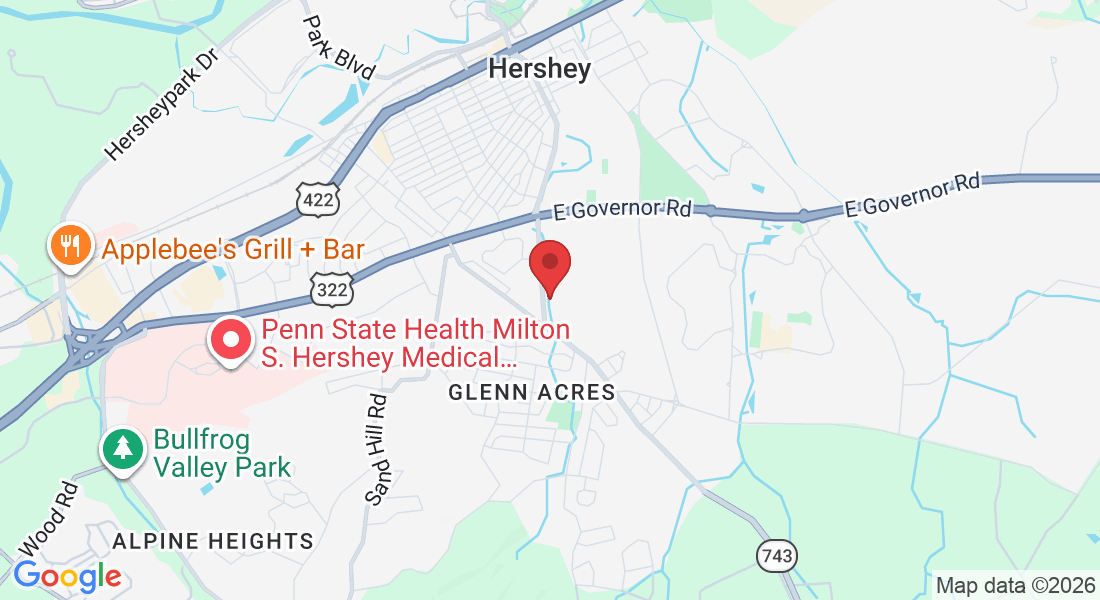
LOCATION
1249 Cocoa Avenue, Suite 190
Hershey, PA 17033
Phone: (717) 882-5888
OFFICE HOURS
By Appointment Only. Call for Availability
GET IN TOUCH
© Copyright 2023. Three Angels Family Practice & Wellness Center | Sitemap | Accessibility
Powered by Cima Growth Solutions
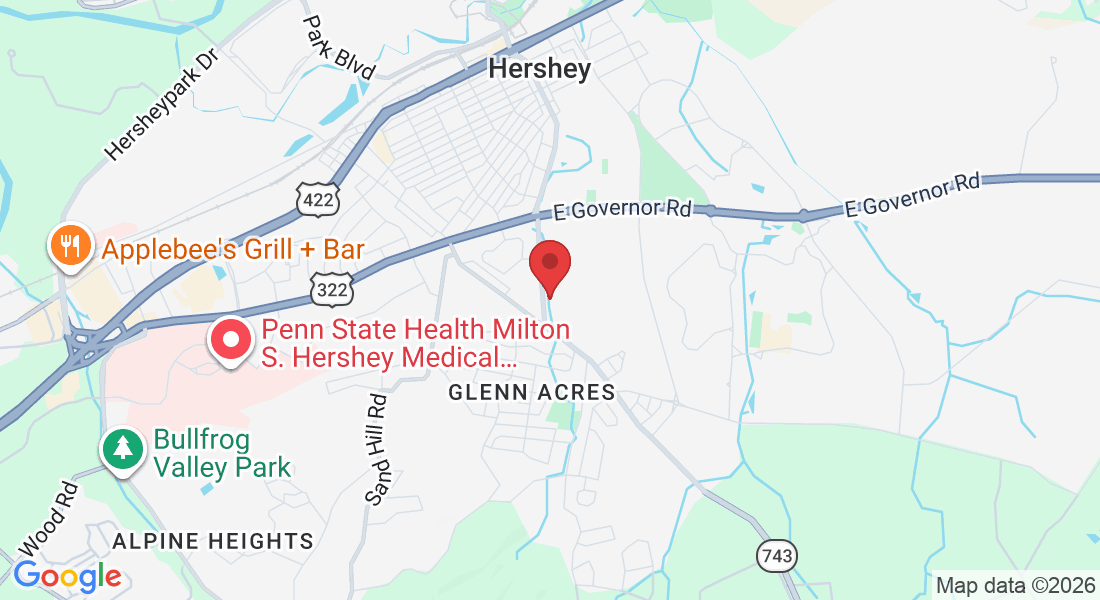
LOCATION
1249 Cocoa Avenue, Suite 190
Hershey, PA 17033
Phone: (717) 882-5888
OFFICE HOURS
By Appointment Only
Call (717) 882-5888
GET IN TOUCH
© Copyright 2023. Three Angels Family Practice & Wellness Center | Sitemap | Accessibility
Powered by Cima Growth Solutions